Best Lakes for Trophy Bass Fishing
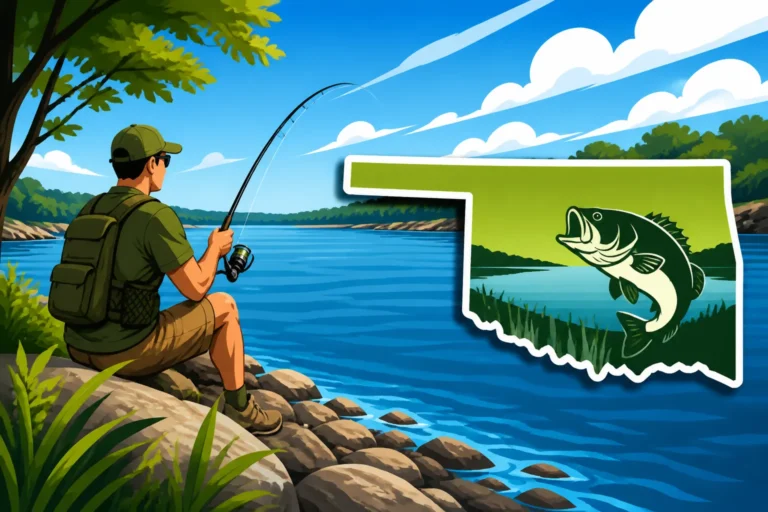
There's a special kind of thrill that comes from dreaming of a true lunker, that monster bass that tests your tackle and your resolve. For many anglers in Oklahoma, the pursuit of a trophy bass – a fish weighing 8 pounds or more, sometimes even pushing into the double digits – is a lifelong quest. But with so many incredible lakes across the state, figuring out where to even begin your hunt can feel overwhelming. This guide is dedicated to helping you pinpoint the premier waters in Oklahoma where your chances of tangling with a true trophy largemouth, and even some impressive smallmouth or spotted bass, are at their absolute highest, alongside the strategies you'll need to succeed.
Understanding What Makes a Lake a "Trophy" Bass Fishery
Not all lakes are created equal when it comes to producing giants. A true trophy bass lake isn't just about having fish; it's about having the right conditions to grow those fish to exceptional sizes. It’s a delicate balance of habitat, forage, and management that creates a perfect storm for big bass.
The Role of Forage and Habitat
Think about it: a bass doesn't get big by accident. It needs an abundant, reliable food source to pack on the pounds. In Oklahoma, that often means shad, sunfish, crawfish, and sometimes even smaller species of game fish. The more high-protein food available, the faster and larger bass can grow. Lakes with vast populations of threadfin and gizzard shad are often prime candidates for producing fat, healthy bass.
Beyond food, habitat is paramount. Trophy bass are often older, wiser fish, and they prefer specific environments that offer both ambush points for feeding and protection from predators (including human anglers). This means looking for lakes with a rich diversity of cover and structure:
- Deep water access: Big bass often retreat to deeper, cooler water during warmer months or cold fronts.
- Abundant timber and brush: Submerged trees, stump fields, and brush piles offer excellent ambush points and shade.
- Rocky points and ledges: These areas attract baitfish and provide distinct transition zones that bass love to patrol.
- Aquatic vegetation: Hydrilla, lily pads, and coontail provide cover, oxygen, and attract baitfish, especially in the shallows.
A lake that might be great for numbers of average-sized bass might not have the specific conditions to grow truly massive ones. The combination of plentiful forage and diverse, complex cover is what allows a few dominant fish to reach exceptional sizes.
Management and Angler Pressure
The Oklahoma Department of Wildlife Conservation (ODWC) plays a crucial role in maintaining trophy fisheries through various management strategies. This can include stocking specific forage species, implementing special size and creel limits (like the "one bass over 16 inches" rule you might see on some lakes), or habitat enhancement projects. These efforts aim to balance the fishery, ensuring there's enough food for big fish and that enough fish survive to reach trophy potential. You can always check the latest regulations in our guide on Oklahoma's Bass Fishing Rules and Limits.
Angler pressure also plays a part. Lakes that are heavily fished for trophy bass might see a decline in the average size over time if too many of the biggest fish are removed. Many trophy anglers practice catch-and-release, especially for the largest fish, to help sustain these prized fisheries. When you're fishing one of these renowned lakes, you're often sharing the water with others who share the same passion, and respecting the resource is key.
Top Oklahoma Lakes Renowned for Giant Largemouth Bass
Oklahoma is truly blessed with an incredible array of fisheries, but a few stand out year after year as consistent producers of truly massive largemouth bass. These are the lakes where you might just break your personal best.
Lake Broken Bow: The Clear Water Giant
Nestled in the southeastern corner of Oklahoma, near the town of Broken Bow, this lake is famous for its crystal-clear, deep waters and stunning scenery. Unlike many Oklahoma lakes that are more turbid, Broken Bow Lake offers exceptional visibility, which influences both the bass and the fishing techniques.
- Why it produces trophy bass: Broken Bow's deep, cool waters provide an ideal environment for bass to grow to impressive sizes, particularly during the hot summer months when they can retreat to thermoclines. The lake is abundant with spotted bass, but the largemouth here are truly special. Its rocky structure, submerged timber, and deep points are prime areas for big fish. The clarity of the water also means that bass are often sight-feeding and can be more wary, making them a challenge but also allowing them to grow larger without as much pressure.
- Tips for fishing Broken Bow: Given the clear water, finesse techniques often shine here. Drop-shot rigs, shaky heads, and small swimbaits can be incredibly effective when targeting deeper structure. Early morning and late evening topwater presentations can also be productive along rocky shorelines and around standing timber. For an in-depth look at this beautiful fishery, check out our Broken Bow Lake Fishing Guide on the Mountain Fork River. Many anglers find success by covering water, using their electronics to locate structure and baitfish in deeper sections.
Lake Texoma: The Border Lake's Bounty
Straddling the border between Oklahoma and Texas, Lake Texoma is a vast reservoir known primarily for its incredible striped bass fishery, but don't let that overshadow its potential for trophy largemouth. This massive lake offers diverse environments that contribute to big bass growth.
- Why it produces trophy bass: Texoma's sheer size and varied habitat — from rocky bluffs and deep channels to expansive flats and coves with abundant vegetation — create a smorgasbord for largemouth. The lake has an excellent forage base, including gizzard shad, threadfin shad, and various sunfish species. Its fluctuating water levels can also create new cover and feeding opportunities, especially after a rise. While you're often fishing alongside striper anglers, the largemouth fishery here is robust and often overlooked for its giants.
- Tips for fishing Texoma: Anglers targeting trophy largemouth on Texoma often focus on the many creek arms and coves, especially those with standing timber or rock formations. Deep-diving crankbaits, jigs, and large Texas-rigged plastics are popular choices for working structure. During the spring spawn, the shallower coves can hold truly massive fish. If you're planning a trip to this fishing mecca, our Lake Texoma Fishing Guide for Oklahoma Anglers has even more specific advice. You can even find local expertise through platforms like FishingBooker to help pinpoint the best spots for trophy bass.
Grand Lake O' the Cherokees: Northeast Oklahoma's Gem
In northeast Oklahoma, Grand Lake is another enormous reservoir, famous for its resort communities and, of course, its fantastic fishing. While it's a hotspot for crappie and white bass, its largemouth fishery consistently puts out impressive specimens.
- Why it produces trophy bass: Grand Lake features a mix of rocky bluffs, numerous coves, and extensive docks and boat houses, all providing excellent cover for largemouth. The lake’s abundant shad population provides the necessary fuel for bass to grow large. Its varied depths and structures cater to different seasonal patterns, allowing bass to thrive year-round.
- Tips for fishing Grand Lake: Docks and boat houses are prime targets, especially for flipping and pitching jigs or Texas-rigged plastics. The lake's many natural rock formations, ledges, and transition areas are also key. Deep-diving crankbaits and large swimbaits can entice bigger bites along main lake points and humps. For specific intel on Grand Lake, our Grand Lake O' the Cherokees Bass Fishing Guide offers a deep dive into its unique characteristics. Many serious trophy hunters here spend considerable time mapping out underwater structure with their electronics.
Lake Eufaula: Oklahoma's Largest Lake
Often called Oklahoma's "gentle giant," Lake Eufaula is the largest lake entirely within Oklahoma's borders. It's a prime destination for crappie and catfish, but its vastness and varied habitat also make it a top contender for trophy largemouth.
- Why it produces trophy bass: Eufaula offers an incredible diversity of habitat, including large expanses of standing timber, hydrilla beds, rocky banks, and numerous feeder creeks. This variety ensures bass have ample cover and a rich food source across its many arms and coves. The sheer volume of water means there's a lot of room for bass to grow undisturbed in some of its less-pressured areas.
- Tips for fishing Eufaula: Flipping and pitching to submerged timber and grass beds are classic Eufaula techniques for big bass. Spinnerbaits and chatterbaits are also effective for covering water around structure. During the post-spawn, deep cranking ledges and humps can produce giants. For more tailored advice, consider our guide on Lake Eufaula: Oklahoma's Gentle Giant for Bass and Crappie. Professional guides available through services like FishingBooker can often provide invaluable insights into current patterns and hot spots on such a massive lake.
Lake Murray: Southern Oklahoma's Clear Water Powerhouse
Located near Ardmore, Lake Murray is renowned for its clear, clean waters and excellent recreational opportunities, but serious anglers know it as a top-tier bass fishery. It's one of Oklahoma's older, mature reservoirs, offering stable conditions conducive to growing big fish.
- Why it produces trophy bass: Lake Murray boasts a unique geological makeup, with clear water, rocky structure, and a good mix of submerged timber and sparse vegetation. This clarity often means healthier baitfish populations and, in turn, healthier bass. The lake's deep channels and sudden drop-offs provide refuge for large bass, especially in warmer months.
- Tips for fishing Murray: Similar to Broken Bow, finesse techniques are often effective in Murray's clear waters. Drop-shotting, shaky heads, and Ned rigs can tempt finicky giants. However, don't overlook power fishing with crankbaits and jigs around rocky points and ledges, particularly during cooler water periods. For further details on this beautiful lake, our Lake Murray Fishing Guide Near Ardmore is a great resource.
Here's a quick comparison of these trophy bass havens:
| Lake Name | Primary Trophy Bass Species | Key Habitat Features | Water Clarity | Best Time for Trophies | Typical Trophy Baits/Techniques |
|---|---|---|---|---|---|
| Broken Bow Lake | Largemouth, Spotted | Deep timber, rocky points, bluffs | Very Clear | Spring, Fall, Summer (deep) | Drop-shot, jigs, deep crankbaits, swimbaits |
| Lake Texoma | Largemouth, Spotted | Rocky bluffs, diverse coves, flats | Varied | Spring, Fall | Deep crankbaits, jigs, Texas rigs |
| Grand Lake O' the Cherokees | Largemouth, Spotted | Docks, rocky bluffs, ledges | Stained to Clear | Spring, Fall | Jigs, crankbaits, spinnerbaits, topwater |
| Lake Eufaula | Largemouth | Standing timber, hydrilla, creeks | Stained | Spring, Summer | Flipping/pitching, spinnerbaits, crankbaits |
| Lake Murray | Largemouth, Smallmouth | Clear water, rocky structure, drops | Clear | Spring, Fall, Winter | Finesse, jigs, crankbaits |
Strategies for Targeting Trophy Bass in Oklahoma
Catching a trophy bass is often about more than just being on the right lake; it's about employing the right strategies and having the patience to wait for that one big bite. These fish are older, wiser, and often less aggressive than their smaller counterparts.
Seasonal Approaches for Monster Bass
Understanding how bass behave throughout the year is critical for consistently catching big ones.
- Spring (Pre-Spawn & Spawn): This is arguably the best time to target trophy bass. As water temperatures rise, big females move shallower to stage before spawning. They are actively feeding to build energy for the spawn, making them more vulnerable. Focus on transition areas near deep water, like main lake points, secondary points, and creek channel swings. Once they move to beds, they become highly territorial. Large jigs, crankbaits, and spinnerbaits are excellent choices during the pre-spawn. Our guide on Spring Bass Spawn Timing in Oklahoma provides more detailed insights into this crucial period.
- Summer: When the scorching Oklahoma summer hits, trophy bass often retreat to deeper, cooler water. Look for them on offshore humps, ledges, deep points, and submerged timber. Fishing early morning, late evening, or even at night can be highly productive. Deep-diving crankbaits, large Texas-rigged worms, and big spoons or jigs are effective for enticing bites from these deeper fish.
- Fall (Turnover & Post-Turnover): As water temperatures cool and lakes go through "turnover," baitfish scatter, and bass follow. This can be a challenging period initially, but once conditions stabilize, fall offers another fantastic opportunity for trophy bass. They feed aggressively to fatten up for winter. Focus on main lake points, creek mouths, and areas where shad are schooling. Topwater baits, crankbaits, and bladed jigs can be deadly during this time.
- Winter: Don't overlook winter. While bites can be fewer, the fish you do catch are often giants. Bass will school up in deep water, often near baitfish schools or vertical structure like bluffs and deep timber. Vertical jigging spoons, slow-rolling deep-diving crankbaits, and suspending jerkbaits can all entice a lethargic lunker.
Lure Selection and Presentation for the Big Ones
Trophy bass often prefer a larger meal, but sometimes a subtle presentation is what it takes to fool them. It's not always about the biggest lure, but the right lure for the conditions.
- Big Baits: Large swimbaits (soft and hard-bodied), oversized jigs (3/4 oz to 1 oz), and substantial deep-diving crankbaits (like a Strike King 6XD or Norman DD22) are often go-to choices for trophy hunters. These baits mimic the larger forage that big bass prefer and can trigger a predatory strike. Our guide on Best Bass Lures for Spring Fishing can give you a head start on seasonal selections.
- Finesse for Finicky Fish: Especially in clear water lakes like Broken Bow or Murray, or when fish are pressured, finesse techniques can be the ticket. Drop-shot rigs, Neko rigs, Ned rigs, and shaky heads with smaller worms or creature baits can often tempt a non-committal giant. The key is to present these baits naturally and patiently.
- Slow Down and Be Patient: Trophy bass are not usually found by power fishing quickly over large areas. It often requires meticulously working a piece of structure, making multiple casts from different angles, and patiently waiting for that heavy thud on your line. Learn to feel the difference between a limb and a bite, and set the hook hard.
Remember, every cast for a trophy bass could be the one. It requires dedication, preparation, and a deep understanding of the waters you're fishing. Don't be afraid to try new techniques or hire a local guide, perhaps found through a platform like FishingBooker, to shorten the learning curve on a new lake. They often have the specific knowledge of seasonal patterns and productive spots to put you on that fish of a lifetime. And always, always practice safe catch-and-release to ensure these magnificent fish can be caught again.
Other Trophy Bass Species in Oklahoma
While largemouth bass tend to dominate the trophy conversation, Oklahoma also offers opportunities for impressively large smallmouth and spotted bass. These species, while not reaching the same sheer weight as a largemouth, still offer a thrilling fight and can be considered trophies in their own right.
Smallmouth Bass: The Brown Bomber
Smallmouth bass are known for their incredible fighting ability, often pulling hard and making acrobatic leaps. While they don't grow as large as largemouth, a 3-pound smallmouth is a fantastic catch, and fish pushing 5 pounds or more are absolute giants for the species in Oklahoma.
- Where to find them: Smallmouth prefer cooler, clearer water with rocky bottom. Lakes like Broken Bow, Tenkiller, and Murray are excellent smallmouth fisheries. They often congregate around bluff walls, rocky points, and submerged rock piles. You'll find a deep dive into distinguishing them in Largemouth vs Smallmouth vs Spotted Bass: How to Tell Oklahoma's Bass Apart.
- Trophy tips: Smallmouth are highly susceptible to small crankbaits, spinnerbaits, tubes, and finesse presentations like drop-shots. They are often caught targeting the same rocky structure as largemouth, but may hold slightly deeper or in areas with more current.
Spotted Bass: The Feisty Fighter
Often mistaken for smallmouth or even juvenile largemouth, spotted bass are an abundant and aggressive species in many Oklahoma reservoirs. They are incredibly fun to catch due to their strong fight and willingness to bite. A 2-pound spotted bass is a solid fish, and a 3-pounder is a true trophy.
- Where to find them: Spotted bass thrive in many of Oklahoma's clear to stained reservoirs, often inhabiting deeper water than largemouth, especially during the summer. Lakes like Grand Lake, Texoma, and Broken Bow have thriving spotted bass populations. They love vertical structure, deep points, and main lake humps. You can identify them by the distinct rows of spots on their lower side and a jawline that typically extends to the middle of their eye, not past it like a largemouth.
- Trophy tips: Spotted bass are incredibly aggressive and will readily hit jigs, deep-diving crankbaits, football jigs, and shaky heads. They are often found schooled up, so if you catch one, there are likely more around. Your electronics will be your best friend for locating these schools in deeper water. They put up a fantastic fight on light tackle, making them a blast to target.
While the pursuit of a double-digit largemouth is a noble goal, don't underestimate the thrill of landing a truly oversized smallmouth or spotted bass. They offer a different, but equally rewarding, challenge and can often be found in the same prime trophy largemouth waters. Knowing your target species and adjusting your approach accordingly will increase your chances of success across the board.
Disclaimer
Fishing regulations can change frequently. Always consult the official Oklahoma Department of Wildlife Conservation (ODWC) website or current fishing guide before heading out on the water to ensure you are aware of all current rules and licensing requirements.