Lake Texoma May Striper Fishing in Oklahoma
You've heard the whispers, seen the photos – May at Lake Texoma is synonymous with epic striped bass action. But for many anglers, especially those new to this massive reservoir, turning those whispers into a full livewell can feel like a daunting task, fraught with questions about timing, techniques, and where to even begin. This guide is all about demystifying the peak of Lake Texoma's striper season, helping you understand exactly why May is so special and how to make the most of it. We'll dive deep into the unique conditions, essential gear, and proven strategies that will have you reeling in those hard-fighting stripers like a seasoned pro.
Why May is the Ultimate Month for Lake Texoma Striper Fishing
There's a reason May draws so many anglers to Lake Texoma for striped bass. It’s not just hearsay; the conditions align perfectly to create some of the most consistent and exciting striper fishing of the entire year. Understanding why May is so prime helps you anticipate fish behavior and plan your approach more effectively. It’s all about a combination of the fish’s biological drive and the lake’s natural rhythms.
The Post-Spawn Power Feed
By May, the vast majority of striped bass in Lake Texoma have completed their annual spawning ritual. Unlike many other species that become sluggish after spawning, stripers enter a phase often called the "post-spawn power feed." They've expended an incredible amount of energy during the spawn, migrating up the Red and Washita Rivers to lay their eggs, and now they are absolutely ravenous. Their primary directive is to recover and replenish their energy reserves, which means they are actively hunting for food.
This post-spawn hunger makes them far more aggressive and willing to strike a wide variety of baits and lures. You'll find them actively chasing schools of baitfish, often close to the surface or around structure. This period of intense feeding offers fantastic opportunities for anglers, as the fish are less finicky and more predictable in their pursuit of calories. It’s a prime window where multiple techniques can be highly effective, from aggressive trolling to precise jigging.
Baitfish Bonanza and Warming Waters
May also coincides with a significant increase in baitfish activity throughout Lake Texoma. Threadfin shad and gizzard shad, the primary forage for stripers, are abundant and often schooling heavily in various parts of the lake. These massive schools of baitfish are like ringing a dinner bell for hungry stripers. The warming water temperatures also play a crucial role, boosting the metabolism of both the baitfish and the stripers. As the water temperature rises into the 60s and low 70s, it energizes the entire ecosystem, leading to more active fish.
This abundance of food, combined with the stripers' post-spawn hunger, creates a perfect storm for incredible fishing. The stripers don't have to work as hard to find food, and when they do find a school of shad, they attack with gusto. Knowing that the baitfish are active and moving around helps you focus your efforts on areas where these schools are congregating, which often means finding the stripers themselves. Understanding the role of water temperature can also help you predict fish movement throughout the day, as discussed in our guide on Water Temperature and Oklahoma Fishing Timing.
Understanding Striper Behavior in May
Catching striped bass consistently in May means knowing more than just when to go; it means understanding how they behave. Striper behavior in Lake Texoma during this period is largely dictated by their recovery from spawning and their relentless search for food. They're transitioning from riverine spawning grounds back into the main lake, and this movement creates predictable patterns that experienced anglers capitalize on.
Post-Spawn Recovery and Movement
After the strenuous journey up the Red and Washita Rivers to spawn, stripers begin their journey back to the main lake. This transition isn't immediate, and you'll find different groups of fish in various stages of this return. Some will be lingering closer to the river mouths, still recovering but starting to feed aggressively. Others will have already made their way back to the deeper, more open waters of Texoma, where they begin to school up in larger numbers. This means you might find fish in different depths and areas depending on how far along they are in their post-spawn recovery.
The larger, older fish tend to be among the first to complete their spawn and return to the main lake, making them prime targets. Younger, smaller stripers might take a bit longer. Look for areas where the rivers meet the main lake, like the areas around the Willis Bridge on the Washita arm or the various humps and channels near the river channels themselves. These spots act as natural staging areas and highways for returning fish.
Schooling and Feeding Patterns
Once stripers settle back into the main lake, they quickly resume their schooling behavior. May is a fantastic time to find large schools of stripers, sometimes numbering in the hundreds, as they gang up to ambush baitfish. These schools can be found patrolling open water, often suspended over deep channels or around prominent underwater structures like humps, points, and ledges.
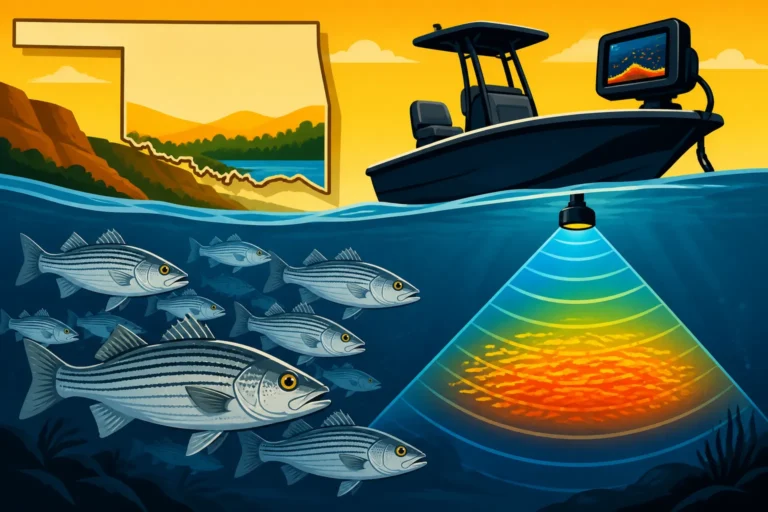
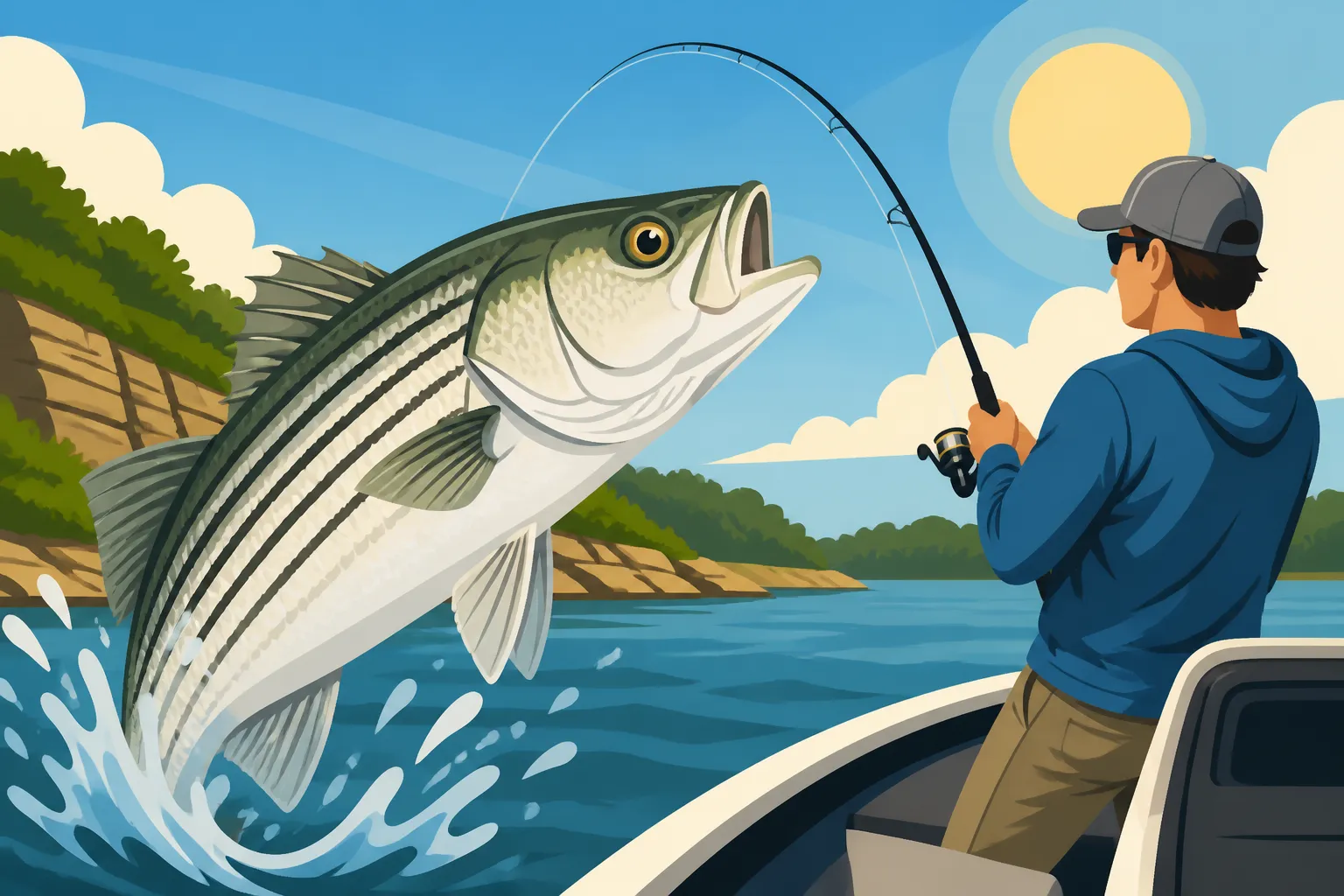
Their feeding patterns are often intense and cyclical. You'll experience periods of frantic activity, often called "striper boils" or "topwater blitzes," where fish aggressively push bait to the surface, creating a chaotic scene of splashing water and diving birds. These events can last anywhere from a few minutes to an hour or more and offer some of the most exhilarating fishing experiences. During other times, the schools might be holding deeper, requiring different tactics like vertical jigging or deep trolling. Pay close attention to your fish finder; learning How to Find Striped Bass Schools with Sonar is a game-changer for consistently locating these fish.
Essential Gear and Tackle for May Stripers
Having the right equipment can make all the difference between a frustrating day on the water and one filled with arm-stretching action. Lake Texoma stripers are powerful fish, and May often sees them at their most aggressive, so your gear needs to be up to the task. Don't skimp on quality; a broken reel or snapped line can quickly turn a potential trophy catch into a missed opportunity.
Rods and Reels That Handle the Fight
For Lake Texoma striped bass, you'll want a medium-heavy to heavy action rod, typically 6'6" to 7'6" in length. This backbone is crucial for setting hooks in tough mouths and controlling powerful runs. Whether you prefer spinning or baitcasting gear depends on your personal preference and the technique you're using. Baitcasting setups are generally favored for trolling and handling heavier lines and lures, offering more leverage. Spinning reels are excellent for casting lighter artificials or working topwater lures with precision.
Pair your rod with a sturdy reel that has a smooth, reliable drag system and good line capacity. For baitcasters, look for models in the 300 to 400 size range, and for spinning reels, a 4000 to 6000 series is usually appropriate. Brands like Penn, Shimano, and Daiwa offer excellent options. You can find a wide range of these high-performance reels and rods on Amazon, often with reviews that can help guide your choice based on other anglers' experiences on large reservoirs.
Line, Lures, and Bait Selection
When it comes to line, braided line is a popular choice for its strength, sensitivity, and minimal stretch, allowing for better hook sets and detection of subtle bites. A 30 to 50 lb test braid is common. Many anglers will add a fluorocarbon leader of 20-30 lb test for abrasion resistance and invisibility, especially in Texoma's clearer waters.
Your lure and bait selection will largely depend on the technique you plan to employ, but there are some May staples:
- Live Bait: Threadfin and gizzard shad are king. If you can catch your own with a cast net, you'll have the freshest and most effective bait. Otherwise, check local bait shops. Hook them through the nose or back with a large Kahle or circle hook.
- Topwater Lures: When stripers are schooling on the surface, nothing beats the excitement of a topwater strike. Poppers, walk-the-dog lures, and pencil poppers in chrome, white, or bone colors are highly effective.
- Jigs: Heavy bucktail jigs (1-3 oz) or soft plastic swimbaits on jig heads are excellent for vertical jigging into schools of suspended fish. White, chartreuse, and pearl are reliable colors.
- Spoons: Casting spoons or jigging spoons (like a Sassy Shad or Hopkins spoon) can imitate dying baitfish and trigger aggressive strikes.
- Swim Baits: Large paddle tail swimbaits, either weighted or rigged on a heavy jig head, are incredibly versatile for casting or trolling.
- Umbrella Rigs: For trolling, umbrella rigs featuring multiple swimbaits or shad imitators are devastatingly effective at mimicking a school of baitfish. Many anglers swear by specific types of umbrella rigs, which you can often find a great selection of on Amazon.
Remember to bring a variety of options. Stripers can be picky on certain days, and having alternatives allows you to adapt to their preferences. Our article on Best Bait for Striped Bass in Oklahoma Lakes and Rivers offers even more insights into choosing the right attractants.
Top Techniques for Landing Texoma Stripers in May
May's striper fishery on Lake Texoma offers a fantastic array of techniques that can put fish in the boat. The best approach often depends on the current conditions, whether the fish are actively feeding on the surface, suspended deep, or holding near structure. Being versatile and willing to switch tactics is a hallmark of successful striper anglers.
Trolling for Open Water Stripers
Trolling is arguably one of the most consistent and effective methods for locating and catching stripers in Lake Texoma, especially in May when fish are spread out across large areas. It allows you to cover vast amounts of water, presenting multiple lures at different depths until you find where the fish are holding. For successful trolling, you'll want a boat capable of maintaining slow, steady speeds and a good fish finder to identify schools of bait and stripers.
Popular trolling setups include using downriggers to get lures deep, planer boards to spread lines horizontally, or simply flat-lining various baits behind the boat. Umbrella rigs, deep-diving crankbaits (such as the Heddon Zara Spook or Rat-L-Trap in larger sizes), and heavy swimbaits are excellent choices. Vary your speed, lure depths, and colors until you get a strike. Once you find a productive pattern, try to replicate it. Mastering Striped Bass Trolling Techniques will significantly boost your success. Many seasoned pros also invest in quality trolling motors, and a wide selection can be found on Amazon, often with GPS features to help maintain precise trolling paths.
Live Bait Fishing: The Gold Standard
When stripers are being finicky, or when you're targeting larger, more cautious fish, live bait is often the most reliable option. Fresh shad, whether threadfin or gizzard, is irresistible to hungry stripers. You can fish live bait in several ways, depending on where the fish are holding.
If stripers are schooling in open water, drifting live shad under a balloon or free-lining them with a minimal weight can be deadly. Position your boat upwind or upcurrent from known fish activity and let your baits drift naturally into the strike zone. If fish are holding deep around structure, you can vertically present live shad using a Carolina rig or a drop-shot rig, slowly lowering them to the desired depth. Always use a stout hook and a strong leader, as stripers will hit live bait with incredible force. Remember that live bait requires careful handling and aeration in a good livewell to keep them lively.
Casting Artificials: Jigs, Topwaters, and Spoons
For more active and visually exciting fishing, casting artificial lures can be incredibly productive. This is where your medium-heavy spinning or baitcasting gear really shines.
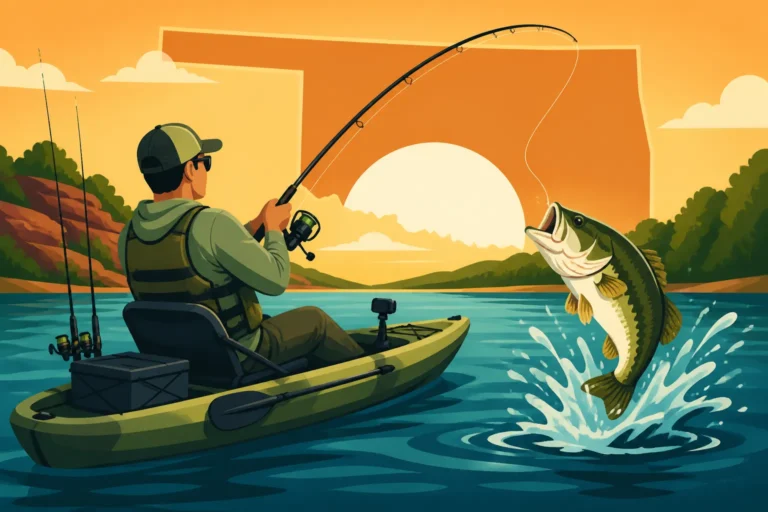
- Topwater Action: There's nothing quite like a striper exploding on a topwater lure. In May, when stripers are busting shad on the surface, cast pencil poppers, walk-the-dog lures, or chuggers into the fray. Work them aggressively to imitate frantic baitfish. Be ready for an adrenaline rush!
- Vertical Jigging: When fish are suspended deep or holding tight to underwater structure, vertical jigging is a fantastic method. Use heavy bucktail jigs or jigging spoons. Drop your lure to the depth where you're marking fish on your sonar and use a sharp, upward sweep followed by a controlled fall to mimic an injured baitfish. The strike often comes on the fall, so pay close attention to your line.
- Swimbaits and Casting Spoons: Cast large paddle tail swimbaits or casting spoons to breaking fish, along points, or over humps. These lures offer a realistic profile and enticing action that stripers find hard to resist. Experiment with retrieve speeds and depths until you find what triggers a bite.
Choosing the right lure and technique for the specific conditions is key. Our article on Best Lures for Striped Bass Fishing offers a deeper dive into popular options.
Prime Lake Texoma Hotspots for May Striper Fishing
Lake Texoma is vast, covering over 89,000 acres, so knowing where to focus your efforts in May is critical. While stripers can be found throughout the lake, certain areas consistently produce excellent fishing due to their proximity to spawning grounds, presence of prime structure, and abundance of baitfish. Think of these as proven starting points, but always be willing to explore.
The River Arms and Main Lake Transition Zones
In May, the areas where the Red River and Washita River arms flow into the main body of Lake Texoma are absolute striper magnets. After spawning upriver, stripers funnel back into these transition zones, using them as highways to return to the richer feeding grounds of the main lake. Look for deep channels, humps, and submerged points where the rivers meet the wider lake.
The area around the Willis Bridge on the Washita arm is famous for this post-spawn migration. Similarly, the Big Mineral arm on the Red River side and the numerous creeks that feed into these major arms can hold immense schools of stripers. These areas are often characterized by strong current breaks, which create ideal ambush points for hungry fish. Many anglers find success by trolling these channels or drifting live bait through them. Remember, these fish are moving, so staying mobile and constantly searching with your electronics is crucial. For more general advice on fishing this great lake, check out our Lake Texoma Fishing Guide for Oklahoma Anglers.
Major Points, Humps, and Submerged Islands
As stripers move out of the river arms, they begin to spread across the main lake, often congregating around prominent underwater features. Major points that extend far out into the lake, submerged humps, and deep-water islands provide ideal ambush points and foraging grounds. Stripers will use these structures to corral baitfish against, making them easier targets.
Popular examples include areas around Little Glasses, Fobb Bottom, the Treasure Island area, and the various humps and ledges in the main lake basin. Look for areas with a sharp drop-off or a distinct change in bottom contour. Stripers will often hold on the deeper side of these structures, moving up to feed when baitfish schools pass by. These spots are fantastic for vertical jigging, especially if you're marking fish suspended over the structure. Trolling deep-diving crankbaits along the contours of these features can also be incredibly effective.
Dam Area and Open Water Schools
The area near the Denison Dam can also be a productive spot in May, especially for larger fish. The current and deep water here attract both baitfish and stripers. However, exercise caution and respect any restricted zones near the dam.
Beyond specific structures, don't overlook the vast expanses of open water. May is a prime time for "running and gunning" – actively searching for visible signs of schooling stripers. Keep an eye out for diving birds, which are almost always a dead giveaway of stripers pushing bait to the surface. Also, watch your fish finder constantly; large, dense arcs or blobs of fish suspended in the water column are almost certainly stripers. Once you locate a school, move in quickly but quietly, and try to cast topwater lures, spoons, or swimbaits to the active fish. Sometimes, if the fish go down, a quick vertical jig with a bucktail or heavy spoon can keep the action going.
Navigating Lake Texoma: Safety and Best Practices
Lake Texoma is a magnificent body of water, but its size and dynamic conditions demand respect. Safety should always be your top priority, especially when fishing for powerful species like striped bass. Knowing the rules and having the right equipment ensures a pleasant and secure trip for everyone on board.
Essential Boating Safety Equipment
Before you even launch your boat, make sure you have all the required safety gear. In Oklahoma, this includes Coast Guard-approved life jackets for every person on board, with children 12 and under required to wear one at all times when the vessel is underway. For boats 16 feet and longer, you'll also need a Type IV throwable personal flotation device (PFD). Beyond PFDs, a sound-producing device (like a whistle or horn), a fire extinguisher, navigation lights (if operating before sunrise or after sunset), and a first-aid kit are all crucial.
Given Texoma's size, a marine radio or fully charged cell phone is also highly recommended for emergencies. Weather can change quickly on such a large lake, so always check the forecast before you head out and be prepared to seek shelter if storms approach. Consider reviewing Oklahoma's comprehensive Oklahoma Boat Safety Equipment Checklist before your trip. Having these items not only keeps you legal but, more importantly, keeps you safe.
Respecting Fellow Anglers and the Environment
Lake Texoma is a popular destination, especially in May, so courtesy and good judgment are essential. When you encounter other boats or anglers, give them plenty of space. If someone is working a school of fish, don't motor right through their spread or cast directly into their lines. Approach active schools quietly and try to stay downwind or downcurrent to avoid disturbing the fish or tangling lines.
Practice catch and release for fish you don't intend to keep, especially smaller stripers, to help sustain the fishery for future generations. If you are keeping fish, be mindful of the Statewide Bass Bag Limits in Oklahoma and size restrictions. Always dispose of trash properly; leave the lake cleaner than you found it. Responsible angling ensures that Lake Texoma remains a premier fishing destination for everyone.
Different Striper Techniques Compared
To help you decide which technique might be best for your May Texoma striper trip, here's a quick comparison of the primary methods:
| Technique | Best Conditions | Pros | Cons | Key Gear |
|---|---|---|---|---|
| Trolling | Locating scattered fish, deep-holding schools | Covers large areas, consistent for finding fish, can use multiple lines | Less interactive, requires boat/specific gear, can be slower action | Downriggers, planer boards, stout rods, umbrella rigs, crankbaits |
| Live Bait | Finicky fish, targeting larger stripers, deeper water | Often the most effective when other methods fail, natural presentation | Requires catching/buying bait, livewell needed, can be messy | Live shad, circle hooks, Carolina/drop-shot rigs, sensitive rods |
| Topwater Casting | Visible surface activity (boils), calm conditions | Exhilarating strikes, highly interactive, can be done from bank/kayak | Dependent on surface activity, weather-sensitive, less consistent | Medium-heavy spinning/baitcasting, poppers, pencil poppers, walk-the-dog lures |
| Vertical Jigging | Deep-suspended schools, fish on structure | Effective for precise depth targeting, good for marking fish on sonar | Requires good boat control/electronics, can be physically demanding | Heavy bucktail jigs, jigging spoons, strong rod, sensitive line |
This table should give you a quick overview to help tailor your approach. Remember, flexibility is your best friend when striper fishing on Lake Texoma.
Disclaimer
Fishing conditions and regulations can change. Always consult the latest Oklahoma Department of Wildlife Conservation (ODWC) regulations before heading out on the water. This guide is for informational purposes only and does not supersede official state regulations.