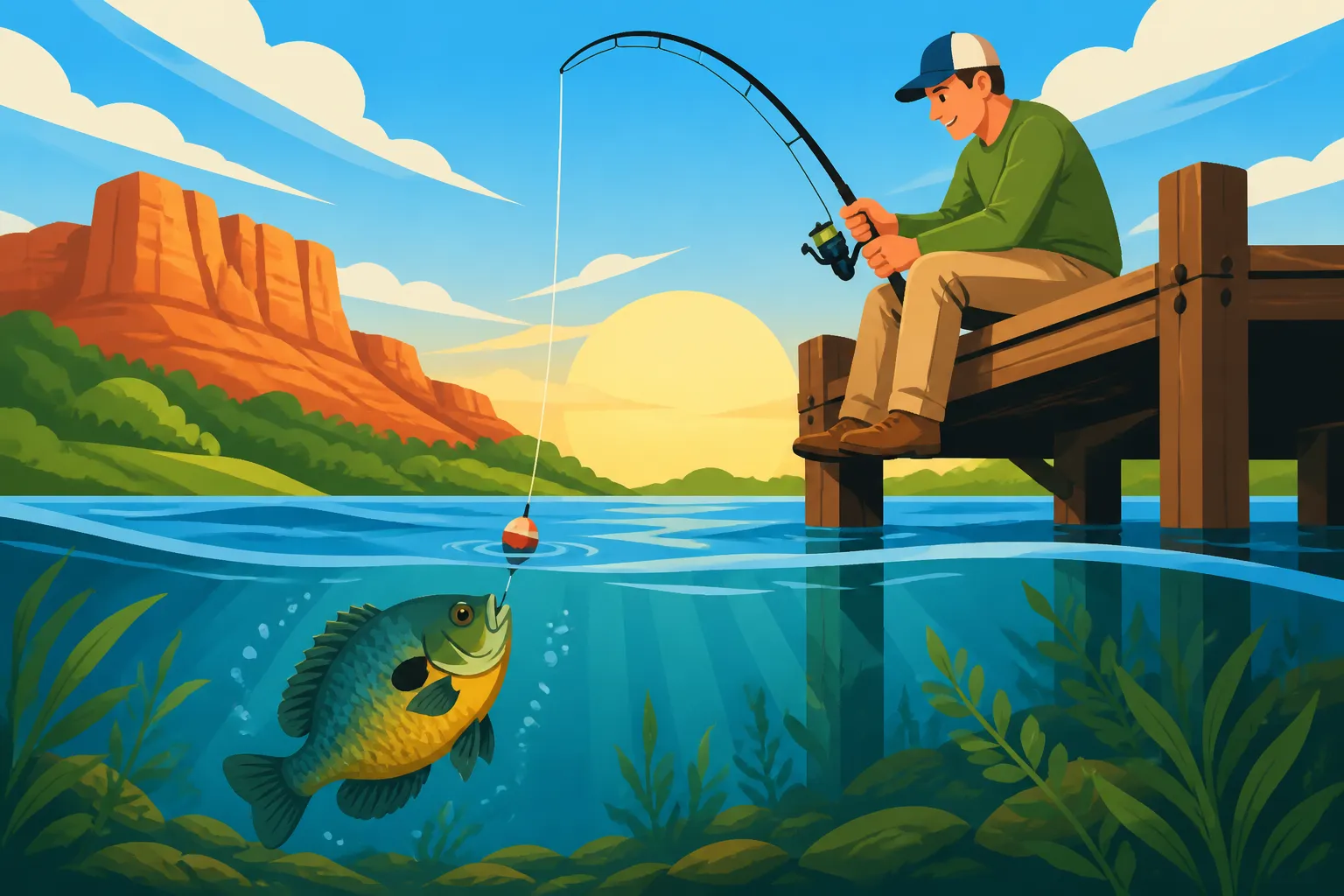
How to Catch Bluegill from a Dock
There's nothing quite like the simple pleasure of fishing from a dock, especially when you're targeting those feisty, colorful bluegill. Many of us remember our first fish being a bluegill, caught right off a family dock or a public pier. But sometimes, even with such a common fish, it feels like they’re just not biting, or you're not sure if you're using the right setup. This guide is here to walk you through exactly how to effectively catch bluegill from a dock, ensuring you have a fun and productive day on the water, whether you're a seasoned angler or introducing a youngster to the joys of fishing.
Why Docks are Bluegill Hotspots
Docks aren't just convenient platforms for us anglers; they are absolute magnets for bluegill and other panfish. Think of them as underwater apartment complexes or shaded dining halls. Understanding why bluegill gravitate to these structures is the first step in consistently reeling them in.
The Allure of Structure: Why Bluegill Love Docks
Bluegill, like many other fish species, are drawn to structure. And what is a dock if not a massive piece of artificial structure? The pilings, the planks, the ladders—they all provide vertical and horizontal cover that fish crave. Imagine being a small fish in a big lake, constantly on the lookout for predators like bass or even bigger catfish. Those dock pilings offer a fantastic refuge where bluegill can dart in and out, feeling safe from lurking dangers. The shade cast by a dock also creates a cooler microenvironment, which can be incredibly appealing on a hot Oklahoma summer day when the rest of the shallows are baking in the sun. This shade provides relief and can concentrate fish, making them easier targets for bank anglers.
Not only do docks provide shelter, but they also break up the current, creating eddies and calm spots where bluegill can conserve energy. This is particularly true on larger lakes where wind and boat traffic can create significant water movement. A dock acts as a natural breakwater, giving these smaller fish a place to rest and ambush unsuspecting prey as it drifts by. If you pay attention, you'll often notice bluegill schooling up tight against the pilings or underneath the dock's edge, exactly where the cover is thickest. It's a prime location, and knowing this helps you target your casts more effectively.
Food Sources and Shelter: More Reasons Bluegill Hang Out
Beyond just physical structure, docks are often teeming with natural food sources, making them an irresistible buffet for bluegill. Algae and aquatic plants often grow profusely on and around dock pilings because they get sunlight and nutrients. This vegetation attracts small insects, crustaceans, and minnows—all prime food items for bluegill. You might even see various insect larvae clinging to the submerged parts of the dock or tiny baitfish schooling up for safety. These are all part of the natural food chain that bluegill exploit.
Consider the human element, too! Docks are places where people are often present, which might seem counterintuitive for fish seeking safety, but it also means dropped crumbs, spilled bait, or even intentionally tossed food. While you shouldn't rely on human handouts for your fishing success, these accidental contributions can supplement the natural diet, further enticing bluegill to linger. Moreover, docks often extend into water depths that transition from very shallow to slightly deeper, offering bluegill access to different feeding grounds and temperature zones without having to travel far. This makes them a convenient home base for these opportunistic feeders.
Seasonal Patterns: When Docks are Most Productive
While docks are generally good year-round, there are certainly times when they are particularly productive for bluegill. Knowing these seasonal patterns can greatly enhance your success.
- Spring: As water temperatures begin to rise, bluegill move into shallower waters to spawn. Docks situated in calm, protected coves or along gradually sloping banks become prime real estate. The male bluegill will fan out nests in the substrate near the dock, and both sexes will be highly active and aggressive as they guard their eggs and fry. This is arguably the best time to catch bluegill from a dock, as they are concentrated and eager to strike. You'll often see multiple fish in a single nest. For more on this, check out our guide on Best Time of Year to Catch Bedding Bluegill.
- Summer: Even in the heat of summer, docks remain excellent spots. As mentioned, the shade offers a cooler refuge, and the abundance of insects and baitfish provides ample food. Early mornings and late evenings are often the most productive, as bluegill might move into slightly deeper water during the midday sun, but they will still be close to the dock structure. Night fishing under dock lights can also be incredibly effective, as the lights attract plankton and baitfish, which in turn attract the bluegill. Our piece on Best Time of Day to Catch Bluegill delves deeper into optimal timings.
- Fall: As water temperatures cool, bluegill remain active, often schooling up in slightly deeper water around the docks before winter sets in. They're still feeding aggressively to build up fat reserves. Docks that extend into deeper water or are near channel drops can be particularly good during this time.
- Winter: Bluegill generally become less active in very cold water, moving to deeper, more stable temperatures. Docks are less productive unless they're on a deep-water lake or river system where the bluegill might hold right beneath them in deeper channels. However, if the dock provides access to a deeper hole, you might still find them there, though they'll be less inclined to chase a bait.
Essential Gear for Dockside Bluegill Success
One of the beautiful things about bluegill fishing is that you don't need a huge budget or a fancy boat. You can have an absolute blast with some incredibly simple and affordable gear. However, having the right simple gear will make your experience much more enjoyable and productive.
The Right Rod and Reel for Panfish
When it comes to bluegill, a heavy-duty bass rod isn't just overkill; it actually makes the fight less fun and the bites harder to detect. You want light tackle!
- Rod: A light or ultralight spinning rod, typically in the 5 to 6-foot range, is ideal. This length gives you enough leverage for accurate casting around dock pilings and structure, but it’s still short enough to handle easily in tighter spaces. The ultralight action is key because it allows you to feel even the most subtle nibbles from a small bluegill, and it makes fighting even a modest panfish feel like a true battle. A fast or moderate-fast action will give you good sensitivity and enough backbone to set a small hook. Look for something labeled specifically for "panfish" or "ultralight." Many sporting goods stores and online retailers like Amazon offer great, affordable options.
- Reel: Pair that ultralight rod with a small spinning reel, something in the 500 to 1000 size range. These reels are lightweight, balance well with an ultralight rod, and have a smooth drag system, which is important for preventing line breaks with light line.
- Line: For bluegill, you want light monofilament line. I typically recommend 2 to 4-pound test. Anything heavier is usually unnecessary, harder for bluegill to see, and can make casting light baits more challenging. Monofilament has a bit of stretch, which can act as a shock absorber when a bluegill makes a sudden run, and it's relatively inexpensive. If you're fishing around very abrasive dock pilings or submerged timber, you might consider a small fluorocarbon leader (same pound test) for its invisibility and abrasion resistance, but for most dock fishing, straight mono is perfectly fine.
Tackle Box Essentials: Hooks, Weights, and Bobbers
Your tackle box for bluegill doesn't need to be huge, but it does need a few key items.
- Hooks: Size matters, and for bluegill, you want small hooks. Aberdeen hooks in sizes #8 to #12 are perfect. They have a long shank, which makes them easier to remove from a bluegill's small mouth, and they are relatively thin, so they don't overpower smaller baits. You can also use small jig heads, typically 1/32 or 1/64 ounce, for presenting soft plastics or tipped with bait.
- Weights (Sinkers): You'll want a selection of small split-shot weights. These are tiny lead or lead-free weights that you can crimp onto your line to help your bait sink. A few different sizes will allow you to adjust how fast your bait falls. Start with the smallest size that gets your bait down, usually a #7 or #5 split shot. The goal is to let your bait drift as naturally as possible, so less weight is often more.
- Bobbers (Floats): A bobber is your visual strike indicator and helps keep your bait at a consistent depth. Small slip bobbers are fantastic for bluegill because they allow you to easily adjust your fishing depth without having to tie and re-tie. They also let you cast further and more accurately than fixed clip-on bobbers. For a simple setup, a small clip-on bobber (the red and white kind) will work, especially when teaching kids. Our guide on How to Rig a Bobber for Bluegill Fishing offers step-by-step instructions.
Bait Selection: From Live Worms to Artificial Attractors
Bluegill aren't typically finicky eaters, but some baits are definitely more effective than others.
- Live Bait:
- Worms: Hands down, the king of bluegill baits. Small pieces of nightcrawlers, red wigglers, or even garden worms are incredibly effective. The scent and wiggling action are irresistible.
- Cricket/Grasshopper: These natural insect baits are fantastic, especially in the summer. Bluegill love to hit surface bugs.
- Mealworms/Wax Worms: These are readily available at bait shops and are a great, clean alternative to traditional worms. They stay on the hook well and are very attractive to bluegill.
- Prepared Baits:
- Corn: Canned corn can be surprisingly effective for bluegill, especially if they are accustomed to being fed. It's cheap, easy, and biodegradable.
- Bread: Small balls of soft bread or dough balls can also tempt bluegill, particularly in areas where they are often fed by people.
- Artificial Lures:
- Small Jigs: Tiny tube jigs, grubs, or plastic worms (1-2 inches long) on a 1/32 or 1/64 ounce jig head can be very productive, especially when tipped with a small piece of worm or a wax worm. Bright colors like chartreuse, white, or pink often work well. You can find a vast selection of these on Amazon.
- Small Spinners: Micro-spinners like a Rooster Tail or Mepps Aglia in smaller sizes (#0 or #1) can also entice aggressive bluegill, especially larger ones.
For more bait ideas, check out our piece on Best Bluegill Bait for Beginners and What Bait Works Best for Bluegill in Summer.
Beyond the Basics: Nice-to-Have Gear
While the essentials will get you catching fish, a few extra items can make your dock fishing experience even better.
- Pliers/Forceps: Essential for safely removing hooks, especially if a bluegill swallows the bait. This is particularly important for catch-and-release.
- Stringer or Cooler: If you plan on keeping your catch for a delicious fish fry, a stringer to keep them alive in the water or a cooler with ice to keep them fresh is a must.
- Sunscreen and Hat: Essential for any outdoor activity in Oklahoma, especially when you're spending hours on a sunny dock.
- Small Tackle Box or Bag: To keep your hooks, weights, and other small items organized. No one wants to spend fishing time untangling lines or searching for a hook!
- A Camp Chair: Comfort is key for long periods of dock fishing. A portable chair can make a world of difference.
- Polarized Sunglasses: These aren't just for looking cool; they cut glare off the water's surface, allowing you to see deeper into the water and often spot fish or submerged structure around the dock. This can be a game-changer!
Mastering Dock Fishing Techniques for Bluegill
Fishing from a dock isn't just about dropping a line; there are techniques and approaches that will drastically increase your catch rate. It's about thinking like a bluegill and understanding their underwater world around the dock.
Casting and Presentation: Getting Your Bait Where It Needs to Be
The beauty of dock fishing is that you often don't need long casts. The fish are usually right there, under or near the structure.
- Under the Dock: This is often the prime location. Bluegill love the shade and cover the dock provides. Make short, accurate casts or simply drop your bait straight down along the pilings or underneath the dock's edge. You might have to swing your bait like a pendulum to get it into those tight, shaded spots. This is where most of the action will be.
- Along the Pilings: Don't neglect the sides of the dock pilings. Bluegill will often cruise these vertical structures. Drop your bait right up against them and let it sink slowly.
- Dock Edges and Corners: The corners of a dock create natural ambush points and extra shade. These areas can hold a good number of fish.
- Adjusting Depth: Start by setting your bobber to fish your bait a few feet deep. If you're not getting bites, adjust the depth by moving your bobber up or down the line. Bluegill can be found anywhere from a foot below the surface to several feet down, depending on water temperature, sunlight, and the presence of cover. If your dock is over deeper water, you might need to go 6-10 feet deep. A slip bobber makes this adjustment a breeze.
- Subtle Presentation: Bluegill often feed gently. Avoid splashing your bait heavily or making loud noises on the dock, as this can spook them. A soft, accurate cast that places your bait quietly in the water will yield better results. Let the bait sink naturally. If using a jig, a slow, gentle retrieve with a few twitches can mimic an injured insect or minnow. Remember, the goal is for your bait to look as natural and appealing as possible.
Reading the Water: Where to Find Them Under the Dock
You might think a dock is just a dock, but there are nuances to where bluegill will congregate. Learning to "read the water" around your dock will make you a much more effective angler.
- Shade Lines: As the sun moves across the sky, the shade line created by the dock will shift. Bluegill will often move with it, staying in the cooler, darker water. Pay attention to where the sun is hitting the water and cast into the darker, shaded areas.
- Submerged Structure: Look for anything else under the water that might provide cover or food. Old tires, brush piles, submerged logs, or even clumps of aquatic vegetation near the dock are all excellent holding spots for bluegill. If you can see these, cast directly to them. Sometimes, what looks like a bare patch of bottom might have a subtle depth change or a small rock pile that fish are using.
- Water Clarity: In clear water, bluegill might be more wary. You might need to use lighter line and smaller hooks, and stay further back from the edge of the dock. In stained or slightly murky water, they might be more aggressive and less cautious.
- Wind and Current: Observe how the wind and any current are affecting the water around the dock. Bluegill will often position themselves on the leeward (downwind) side of the dock, where food might be pushed by the current, or on the upwind side if they're trying to escape strong currents. Cast slightly upcurrent from where you expect them to be, allowing your bait to drift naturally into their feeding zone.
Common Mistakes to Avoid for Better Catches
Even experienced anglers can sometimes fall into habits that reduce their success. Be mindful of these common pitfalls when fishing for bluegill from a dock.
- Using Too Heavy Gear: As mentioned, heavy rods, reels, and line can make it hard to feel those light bluegill bites and can actually deter them. Stick to ultralight tackle.
- Too Big a Hook/Bait: Bluegill have small mouths. A hook that's too large means they can't get it in their mouth properly, leading to missed bites. Similarly, a piece of worm that's too big can be challenging for them to take. Keep everything proportionate to the size of the fish you're targeting. For more on this, check out Easy Bream Fishing Tips for Beginners.
- Staying in One Spot: Just because you caught one bluegill doesn't mean the whole school is there forever. Bluegill move. If the action slows down, try different spots around the dock—the other side, deeper water, closer to shore, or further out. Walk around the entire dock if possible.
- Being Too Noisy: Loud talking, stomping on the dock, or clanking your tackle box can send vibrations through the water and scare fish away. Approach the dock quietly and try to keep disturbances to a minimum.
- Ignoring the Bobber: Your bobber is your communication line to the fish. Any movement—a twitch, a dip, or even just moving sideways—can indicate a bite. Don't stare off into space; keep your eyes glued to that bobber. If using artificials, pay attention to any subtle "tick" on your line.
- Not Adjusting Depth: Bluegill can be suspended at various depths. If you're not getting bites, your bait might simply not be at the right level. Experiment with depths until you find where they are holding.
- Fishing Unsafe Areas: Avoid casting where your line could get easily snagged on ropes, boat lifts, or other submerged hazards. While bluegill love structure, you don't want to lose all your tackle.
| Bluegill Bait Type | Pros | Cons | Best Use Case |
|---|---|---|---|
| Live Worms | Highly effective, natural scent & action | Can be messy, need to be kept alive | All seasons, especially around structure |
| Crickets/Grasshoppers | Natural, great for topwater bites, active | Harder to keep alive, can jump off hook | Summer, early morning/evening |
| Mealworms/Wax Worms | Clean, easy to handle, good hook retention | Less natural action than worms | All seasons, good for beginners & kids |
| Canned Corn | Cheap, clean, easy to store | Less scent/action, fish need to be conditioned | High-traffic docks, family fishing, chumming |
| Small Jigs (tipped) | Versatile, mimics baitfish/insects, reusable | Requires some retrieve technique | Active fish, wider search, cooler water |
| Small Spinners | Attracts aggressive fish, covers water quickly | Can be too aggressive for wary fish | Larger bluegill, active feeding times |
Tips for a Great Bluegill Day
Fishing from a dock isn't just about catching fish; it's about enjoying the experience, being safe, and respecting your surroundings. A little preparation and mindful behavior go a long way.
Safety First: Dockside Considerations
Being safe around any body of water, especially on a dock, is paramount. You want your fishing trip to be memorable for the right reasons.
- Watch Your Step: Docks can be slippery, especially when wet from morning dew, rain, or spilled water. Watch for loose planks, rusty nails, or splintered wood. Wear appropriate footwear with good grip.
- Life Jackets: If you're fishing with children or anyone who isn't a strong swimmer, ensure they wear a properly fitted life jacket. Even adults might consider wearing one if the dock is remote, the water is cold, or there's a risk of falling in. It's always better to be safe than sorry. For more on this, consider reading about Life Jacket Rules for Kids 12 and Under on Oklahoma Boats. While docks aren't boats, the principle of safety for children around water remains the same.
- Sun Protection: Oklahoma sun can be intense. Apply sunscreen regularly, wear a wide-brimmed hat, and consider sunglasses to protect your eyes. Dehydration is a real risk, so bring plenty of water or other hydrating drinks.
- Check Your Surroundings: Be aware of boat traffic, swimmers, or other anglers. Don't cast near people, especially if using a lure with treble hooks. Be mindful of overhead power lines if present, particularly with longer rods.
- First Aid: A small first-aid kit is always a good idea. It should include bandages, antiseptic wipes, and pain relievers for minor cuts, scrapes, or hook pokes.
Respecting the Spot: Dock Etiquette
Whether it's a private dock you've been invited to use or a public pier, practicing good etiquette ensures everyone has a pleasant experience and that the fishing spot remains enjoyable for all.
- Ask Permission: If you're considering fishing from a private dock, always ask the owner for permission first. Never assume it's okay. This simple act of courtesy goes a long way.
- Clean Up Your Trash: This is non-negotiable. Take out everything you bring in. This includes bait containers, fishing line scraps, food wrappers, and drink bottles. Leave the dock cleaner than you found it. Fishing line, in particular, can be deadly to wildlife.
- Be Mindful of Others: If other people are fishing, give them ample space. Don't cast over their lines or crowd them. Keep your noise levels down, especially if people are nearby enjoying the tranquility of the lake.
- Handle Fish Responsibly: If you're releasing fish, do so quickly and gently. Minimize their time out of water. If you're keeping them, dispatch them humanely and store them properly. Always know the current Oklahoma's Bag Limit Rules by Species to ensure you're fishing legally.
- Don't Damage Property: Avoid damaging the dock or nearby vegetation. Be careful with your hooks and don't leave them dangling where someone could step on them.
Handling Your Catch: Keeping and Releasing
Part of the joy of bluegill fishing is that they are delicious table fare, but it's also important to manage the fishery responsibly.
- Knowing the Limits: Always check the current Oklahoma fishing regulations for bag and possession limits for bluegill and other panfish. These rules are in place to ensure healthy fish populations for future generations of anglers. You can often find this information on the Oklahoma Department of Wildlife Conservation's website.
- Catch and Release: If you're not planning to eat your catch, practice proper catch and release techniques.
- Minimize Handling: Try to keep the fish in the water as much as possible.
- Wet Hands: Always wet your hands before touching a fish. Dry hands can remove the fish's protective slime coat, making it vulnerable to disease.
- Gentle Hold: Hold the fish gently but firmly. Avoid squeezing its belly or gills.
- Quick Hook Removal: Use pliers or forceps to quickly remove the hook. If the fish is deeply hooked, it might be best to cut the line as close to the hook as possible rather than tearing the fish's throat.
- Revive the Fish: If the fish seems stunned or weak, hold it gently in the water, facing into a slight current, until it swims away on its own.
- Keeping Fish for Dinner: If you plan to keep bluegill for a meal, they are best when cleaned promptly.
- Stringer: A stringer can keep fish alive in the water for a short period, keeping them fresh. Ensure the stringer is in clean, flowing water and not overcrowded.
- Cooler with Ice: The best way to preserve freshness is to immediately place your catch in a cooler filled with ice. This stops bacterial growth and ensures firm, delicious fillets.
- Cleaning: Bluegill are relatively easy to clean. You can scale and gut them, or fillet them for boneless meat. There are many online tutorials if you're new to cleaning fish.
Catching bluegill from a dock is a timeless activity that combines relaxation, skill, and the thrill of the catch. With the right gear, a bit of knowledge about their habits, and a respectful attitude towards nature and fellow anglers, you're set for a fantastic day on the water. So grab your ultralight rod, a handful of worms, and head to your nearest dock for some unforgettable Oklahoma fishing!
Disclaimer
This article is for general informational purposes only and does not constitute professional advice. Laws, prices and regulations vary by location and change over time. Consult a qualified professional for guidance on your specific situation.