Best Jig Setup for Winter Crappie Fishing
Fishing for crappie in the depths of an Oklahoma winter can feel like trying to find a needle in a haystack, especially when those biting north winds are whipping across the lake. The crappie seem to vanish, the bites become incredibly subtle, and if you're using the wrong setup, you might as well be casting a bare hook. This guide is all about demystifying the best jig setup for winter crappie fishing, so you can stop freezing your fingers off for nothing and start bringing home some slabs even when it's cold.
Understanding Winter Crappie Behavior and Habitat
When the crisp autumn air gives way to the icy grip of winter, crappie, like many other fish species, undergo a significant shift in their behavior. It's not just about the water getting colder; it's about survival, energy conservation, and finding reliable food sources in challenging conditions. Understanding these changes is the first step toward rigging up successfully.
Why Crappie Go Deep in Winter
As the surface temperatures plummet, crappie's metabolism slows down considerably. They don't need to feed as aggressively as they do in the warmer months, and their movements become much more lethargic. To cope with the cold, they often seek out the most stable water temperatures, which are typically found deeper in the water column. This deeper water acts like a thermal blanket, providing a more consistent and comfortable environment. Think of it like us wanting to snuggle under a warm blanket when it's chilly outside – crappie are doing the same thing, just underwater. They might suspend over deep creek channels, gather around submerged timber in deeper coves, or hold tight to the bottom in 20 to 40 feet of water, depending on the lake's depth and structure.
Furthermore, their primary food source, baitfish like shad, also move to deeper water during winter. Crappie will follow this bait, congregating in schools near these baitfish congregations. It’s a matter of efficiency; they conserve energy by staying in warmer, deeper water where their food is also readily available, even if they're not actively chasing it down. This is why just tossing a jig anywhere won't work; you have to find those specific thermal refuges and baitfish schools.
Locating Winter Crappie on Structure
Finding these deep-water havens is paramount. Crappie aren't just suspended aimlessly in the middle of nowhere; they'll relate to specific types of structure that offer protection and act as ambush points for the passing bait. Key structures to target include:
- Deep Creek Channels: These are highways for fish movement. Crappie will often suspend along the edges of these channels, particularly where they intersect with submerged timber or roadbeds. Look for bends in the channel or areas where the channel narrows.
- Brush Piles and Submerged Timber: These are classic crappie hideouts year-round, but in winter, the deeper brush piles become especially vital. They offer protection from predators and currents, and the dense cover concentrates both crappie and baitfish. Modern electronics, like side imaging or down imaging on your fish finder, are absolutely indispensable for identifying these submerged honey holes.
- Ledges and Humps: Any significant change in bottom contour can hold crappie. Ledges that drop off into deeper water, or humps that rise up from a deep flat, create currents and eddies that concentrate bait. Crappie will often position themselves on the deeper side of these features, waiting for an easy meal.
- Bridge Pilings: In some larger reservoirs, bridge pilings that extend into deep water can be magnets for winter crappie. The pilings themselves provide vertical structure, and the concrete often absorbs and radiates a tiny bit more heat than the surrounding bottom, offering a subtle advantage.
Don't be afraid to use your electronics aggressively. Many seasoned Oklahoma anglers spend more time idling around with their fish finders than actually fishing when searching for winter crappie. Marking schools of fish or identifiable structure is the key to success. You might find similar patterns by adapting techniques used for other winter species, as described in Winter Catfishing Techniques in Oklahoma, showing how fish use deep structures to escape the cold.
The Importance of Slow, Subtle Presentation
Because crappie's metabolism slows down in cold water, they aren't going to chase down a fast-moving bait. They want an easy, convenient meal that requires minimal effort. This means your presentation needs to be incredibly slow, subtle, and often right in front of their faces.
Imagine a sluggish crappie, suspended motionless, barely moving its fins. It's not going to expend precious energy darting after a jig zipping by. Instead, a slow-falling jig, a bait that just sits there with minimal action, or one that barely twitches will be much more enticing. The bite itself will often be incredibly light – sometimes just a slight "mushy" feeling, a weightless sensation, or a barely perceptible tap. You won't get those aggressive strikes typical of warmer months. This is why having a sensitive rod and line is absolutely critical, which we'll dive into next.
Essential Jig Components for Winter Crappie
Now that we understand where and how winter crappie behave, let's talk about the specific tools needed to trick them. The jig setup itself is the heart of winter crappie fishing, and every component plays a crucial role in delivering that irresistible, slow presentation.
Jig Head Weight and Material
The jig head is the foundation of your crappie rig, and in winter, weight matters immensely. Too heavy, and your jig drops too fast, blowing past those lethargic crappie. Too light, and you can't get it down to the desired depth or feel the subtle bite.
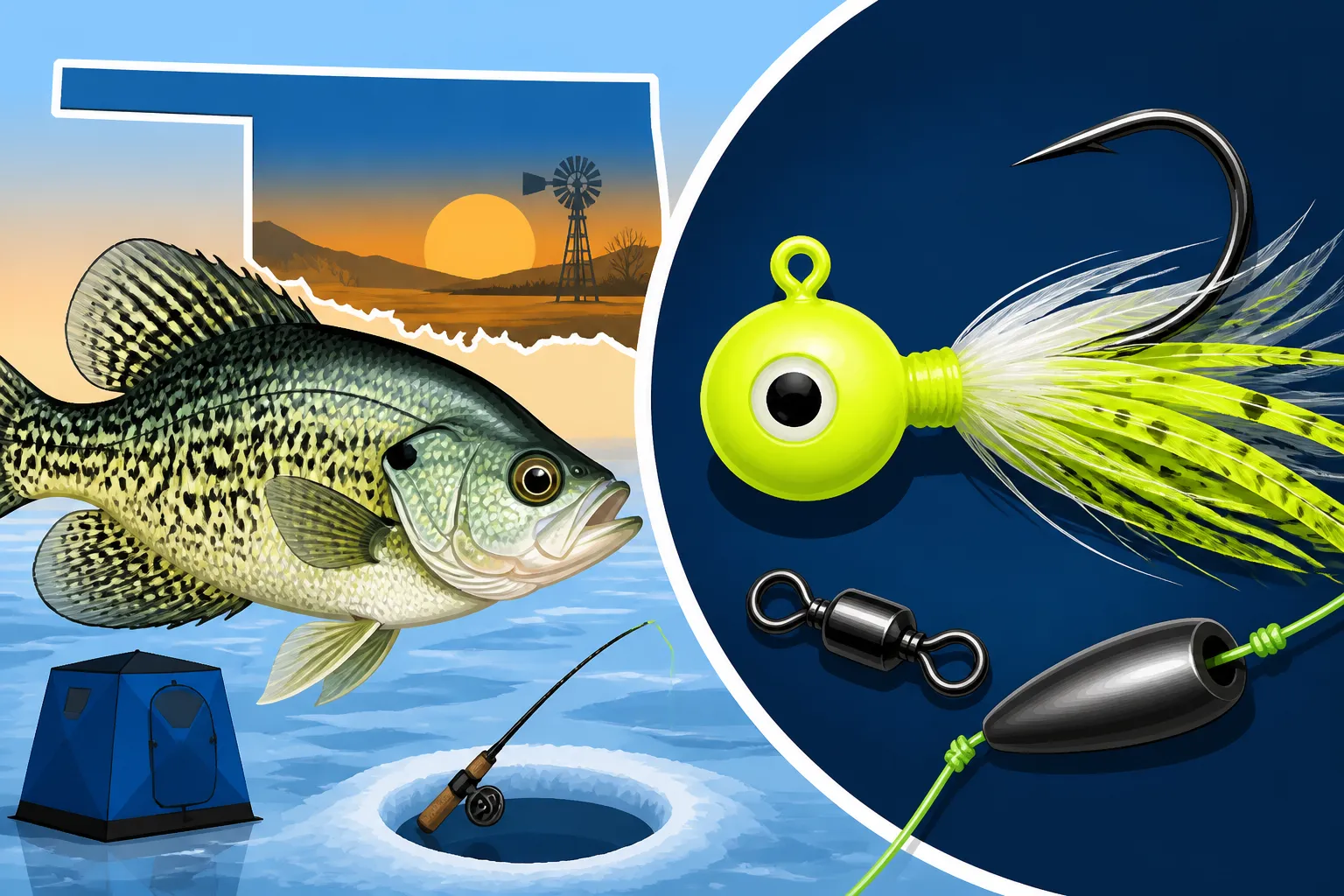
- Lighter is Often Better: For most winter applications, especially vertical jigging, lighter jig heads like 1/16 oz, 1/32 oz, or even 1/64 oz are preferred. These lighter weights allow for a much slower fall, mimicking a dying or injured baitfish that crappie won't hesitate to intercept. They also give you better control over subtle movements and allow you to "hover" the bait in the strike zone longer. If you're fishing in relatively shallow water (under 15 feet) or very still conditions, you might even drop down to 1/80 oz.
- Tungsten vs. Lead: While traditional lead jig heads are readily available and affordable, tungsten jig heads have gained popularity, and for good reason. Tungsten is much denser than lead, meaning a 1/16 oz tungsten jig head will be significantly smaller in profile than a 1/16 oz lead jig head. This smaller size presents a more natural, less intrusive offering to finicky crappie, while still providing the necessary weight to get down. The density of tungsten also transmits vibrations much better, enhancing your feel for those incredibly light winter bites. You might find a good variety of these specialized items at a place like Bass Pro Shops, or easily order specific weights from Amazon.
- Exposed vs. Weedless: In open water or over sparse brush, an exposed hook is fine. However, if you're targeting crappie nestled deep within brush piles or submerged trees – which is often the case in winter – a weedless jig head can be a game-changer. These typically feature a light wire guard over the hook point, allowing you to work through snags without getting hung up constantly. The key is to find one with a wire guard that isn't too stiff, as it could impede hook sets on those delicate winter bites.
Jig Body Types and Sizes
Once you have your jig head, the body you attach to it is equally critical. For winter crappie, generally, smaller profiles and softer plastics are the way to go.
- Small Profiles: Think tiny. 1.5-inch to 2-inch soft plastics are usually ideal. These mimic the small, sluggish baitfish that crappie are targeting when their metabolism is low. Overly large or bulky baits can appear too aggressive or intimidating to a slow-moving crappie.
- Soft Plastics:
- Tubes: Small tube jigs, often 1.5 to 2 inches, are incredibly effective. The soft tentacles provide a subtle, quivering action with minimal rod movement, perfectly imitating a dying shad.
- Grubs/Paddle-tails: Tiny curl-tail grubs or micro paddle-tail swimbaits with a very subtle tail action can also be deadly. Again, the key is subtle action. You don't want a frantic wag.
- Minnow Imitations: Some soft plastics are designed to look exactly like tiny minnows or shad. These can be particularly effective when crappie are keying in on a specific baitfish profile.
- Hair Jigs: Don't overlook the classic hair jig. Marabou or squirrel tail jigs offer an incredibly natural, lifelike pulsing action in the water, even with very little movement. The fibers absorb water and expand, creating a larger profile on the pause, then compress on the twitch, offering a subtle "breathing" motion that can trigger hesitant bites.
- Colors: Color selection can be a lively debate among crappie anglers, and often depends on water clarity and light conditions.
- Natural Colors: In clear water, natural colors like smoke, clear with silver flake, pearl white, or light grays and browns often work best. These mimic natural baitfish.
- Darker Colors: In stained or muddy water, darker colors like black, blue, or junebug can create a stronger silhouette against the lighter sky, making them easier for crappie to see.
- Chartreuse/Bright Colors: Chartreuse, especially chartreuse-white or chartreuse-pink, is a perennial crappie favorite and can be highly effective in a variety of conditions, particularly when the bite is tough or in slightly stained water. It offers high visibility. Experiment with Best Crappie Jig Colors for Clear Water and Best Crappie Jig Colors for Stained Water to see what works best on your particular Oklahoma lake.
Line Selection and Sensitivity
The connection between you and your jig is your fishing line, and for winter crappie, sensitivity is paramount. Those light bites require a line that transmits even the slightest touch.
- Light Line is Key: You'll want to use very light line, typically 4-pound test monofilament or fluorocarbon. Some anglers even drop to 2-pound test if they're fishing in open water with no snags. The lighter line offers less visibility to finicky fish, allows for a more natural fall of your lightweight jig, and significantly increases sensitivity.
- Monofilament: Affordable and offers good stretch, which can act as a shock absorber against sudden head shakes. However, its stretch also means less sensitivity, which can be a disadvantage for subtle winter bites.
- Fluorocarbon: Less stretch than mono, nearly invisible underwater, and more abrasion resistant. These qualities make it an excellent choice for winter crappie. It transmits bites much better than mono.
- Braided Line with Fluorocarbon Leader: Many experienced crappie anglers swear by this setup for maximum sensitivity. Braided line has virtually no stretch, giving you incredible feel for the jig and the lightest bites. However, braid is visible and doesn't handle abrasion well around sharp structure. The solution is to tie on a 2-4 foot fluorocarbon leader (4-6 lb test) to the end of your braid using a strong knot like an FG or Alberto knot. This gives you the best of both worlds: extreme sensitivity from the braid and stealth/abrasion resistance from the fluorocarbon leader.
- Micro-Braid: If using braid, go with a very thin diameter micro-braid (e.g., 6 lb test that has the diameter of 2 lb mono). This helps with casting small jigs and reduces line visibility.
Advanced Winter Crappie Jigging Techniques
Having the right gear is only half the battle. Knowing how to present your jig effectively is what truly seals the deal for winter crappie. These techniques are designed to capitalize on the crappie's cold-water sluggishness.
Vertical Jigging and "Stare Down" Tactics
Vertical jigging is often the most effective way to target winter crappie, especially when they are schooled tightly around deep structure. This method involves positioning your boat directly over the fish and dropping your jig straight down to them.
- Boat Positioning: Your boat's trolling motor is your best friend here. Use it to hold yourself directly over the schools of crappie you've located on your fish finder. A good GPS-enabled trolling motor with spot-lock technology is a game changer, allowing you to stay precisely on target even in windy conditions.
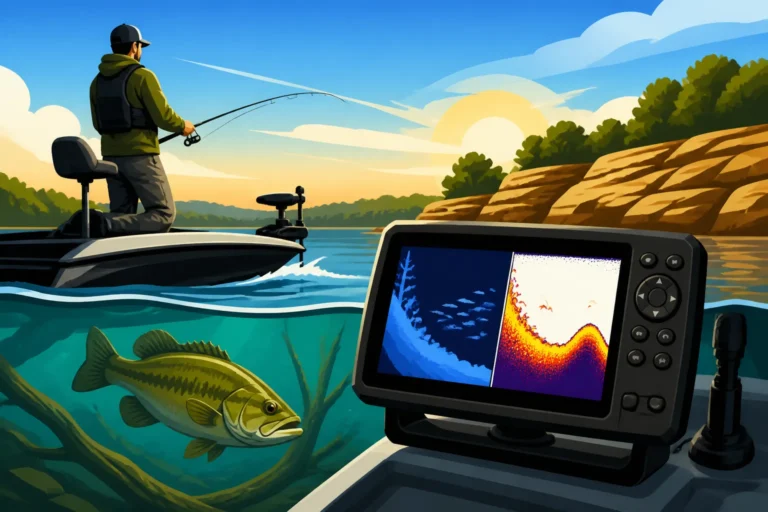
- "Stare Down" Your Electronics: This is where modern fish finders truly shine. Once you drop your jig, watch your screen intently. You should be able to see your jig on the sonar display (often appearing as a small, thin line or dot) as it descends. Guide your jig down to the depth where you see fish.
- The Subtle Dance: Once your jig is in the strike zone, perform very minimal movements. Think tiny twitches of the rod tip, just enough to impart a subtle quiver to the jig. Then pause. And pause again. Crappie will often hit the jig on the fall or during these pauses. Sometimes, simply holding the jig perfectly still at the same depth as the fish is all it takes for a bite. If you see a fish on your screen approach your jig, hold it steady and wait. This "stare down" method is a classic for a reason. For other seasonal patterns, you might explore Crappie Fishing Techniques and Seasonal Patterns in Oklahoma.
Trolling and Drifting with Jigs
While vertical jigging is excellent for concentrated schools, trolling or drifting can be highly effective for covering more water and finding scattered crappie, or when they are suspended in more open areas.
- Slow, Slower, Slowest: The key to successful winter trolling or drifting is speed – or lack thereof. You want to move at a snail's pace, often less than 0.5 miles per hour. This allows your jigs to stay in the strike zone longer and gives sluggish crappie ample time to react.
- Multiple Rod Setups (Spider Rigging): Many anglers employ "spider rigging" techniques, using multiple long rods (often 10-16 feet) fanned out from the front of the boat. This allows you to present multiple jigs at different depths and with different colors or styles, quickly determining what the fish prefer on that particular day. You can use a variety of jig types, perhaps a tube on one line and a tiny grub on another.
- Controlled Drifting: If there's a light breeze, you can use a drift sock or a very low setting on your trolling motor to control your drift speed. Let the wind do some of the work, but maintain enough control to move slowly over productive structures like creek channels or deep flats where you've marked bait. This can be less active than vertical jigging but can be very productive on vast bodies of water like Lake Eufaula or Grand Lake.
Live Bait vs. Jig Enhancements
Sometimes, even the best jig setup needs a little extra something to seal the deal with finicky winter crappie.
- Tipping Jigs with Minnows: A small, lively minnow hooked lightly through the lip or back and added to your jig head can be an irresistible offering. The natural scent and subtle movement of the live minnow can trigger bites when plastic alone won't do it. This is a classic tactic for a reason, offering both scent and natural profile.
- Crappie Nibblers/Scent Attractants: For those who prefer not to use live bait, small crappie nibblers (biodegradable pellets) or gel-based scent attractants can be added to your jig. These products release scent into the water, drawing crappie in and encouraging them to hold onto the bait longer, giving you more time to detect that light bite. Experiment with different colors of nibblers to match your jig or offer a contrasting "hot spot."
Putting It All Together: A Practical Winter Jig Setup
Let's combine these elements into practical setups you can use on your next Oklahoma crappie trip. Your choice of rod and reel, and then the specific jig configuration, will vary slightly based on the conditions you encounter.
Rod and Reel Pairing for Sensitivity
For winter crappie, your rod and reel setup is crucial for detecting those notoriously light bites.
- Rod: Look for a lightweight spinning rod, typically 5.5 to 7 feet long, with an ultra-light or light action and a very sensitive tip. A fast action rod can also be beneficial, as it means the rod bends mostly in the tip section, transmitting subtle bumps and taps directly to your hand. Graphite rods are generally more sensitive than fiberglass. The tip should be soft enough to load easily with a light jig but have enough backbone to handle a good crappie. This is part of a good Best Rod and Reel Combo for Crappie Fishing.
- Reel: Pair your sensitive rod with a small, lightweight spinning reel (e.g., 500 or 1000 series). The smoothness of the drag isn't as critical as it would be for larger fish, but a light, balanced reel will prevent fatigue during a long day of vertical jigging. Spool it with your chosen line, ideally 4 lb fluorocarbon or 6 lb braid with a 4 lb fluoro leader.
Recommended Jig Setups by Scenario
Here’s a table outlining some effective jig setups for various winter crappie fishing conditions you might encounter in Oklahoma.
| Scenario | Jig Head Weight | Jig Body Type & Size | Line Type & Test | Key Technique | Notes |
|---|---|---|---|---|---|
| Clear, Deep Water | 1/32 oz or 1/16 oz (Tungsten preferred) | 1.5-2" Tube or Minnow Imitation (natural colors) | 4 lb Fluoro or 6 lb Braid w/ 4 lb Fluoro leader | Vertical Jigging, Slow Pause-and-Drop | Focus on stealth; minimal movement, scent add-on |
| Stained/Murky Water | 1/16 oz (Lead or Tungsten) | 2" Grub or Paddle-tail (chartreuse, black, blue) | 4 lb Fluoro or 6 lb Braid w/ 4 lb Fluoro leader | Vertical Jigging, Slow Retrieve, Drifting | Stronger silhouette, more vibration from paddle tail |
| Heavy Brush Piles | 1/16 oz (Weedless Lead) | 1.5" Tube (darker colors or chartreuse) | 6 lb Braid w/ 6 lb Fluoro leader | Vertical Jigging, "Sniffing" the brush | Higher test line for abrasion, weedless jig for snags |
| Open Water Suspension | 1/16 oz or 1/8 oz (Lead) | 2" Paddle-tail or Hair Jig (natural or white) | 6 lb Braid w/ 4 lb Fluoro leader | Slow Trolling/Drifting, Spider Rigging | Cover water, match depth to bait schools, use multiple rods |
| Finicky Bites | 1/64 oz or 1/80 oz (Tungsten) | 1" Micro Grub or Hair Jig (subtle colors) | 2-4 lb Fluoro or 6 lb Braid w/ 2 lb Fluoro leader | Dead Sticking, Minnow Tipping, Scent | Extreme patience, lightest presentation, minnow or nibbler |
Remember, flexibility is key. What works at Lake Texoma might be different from what works at Fort Gibson Lake. Always be prepared to experiment with different weights, colors, and retrieve speeds until you dial in what the crappie are biting on that specific day. You'll find a wide selection of these specific items from Bass Pro Shops, or you can conveniently browse and order various jig heads and soft plastics from Amazon to build your perfect winter crappie arsenal. Being able to stock up on a variety of Best Bait for Crappie in Oklahoma can make a huge difference in your success.
Fishing for winter crappie is a rewarding challenge that demands patience, precision, and the right gear. By understanding their cold-water habits and equipping yourself with the ideal jig setup, you'll be well on your way to enjoying some fantastic fishing even when the temperature drops. Don't let the cold keep you indoors; those big crappie are still out there, just waiting for the perfect, subtle presentation. And always double-check Oklahoma Statewide Crappie Bag Limit before you head out, as limits can sometimes have special rules for specific lakes, like Checking Crappie Rules Before Fishing Grand Lake.
Disclaimer
This article is for general informational purposes only and does not constitute professional advice. Laws, prices and regulations vary by location and change over time. Consult a qualified professional for guidance on your specific situation.