Winter Catfishing Techniques in Oklahoma
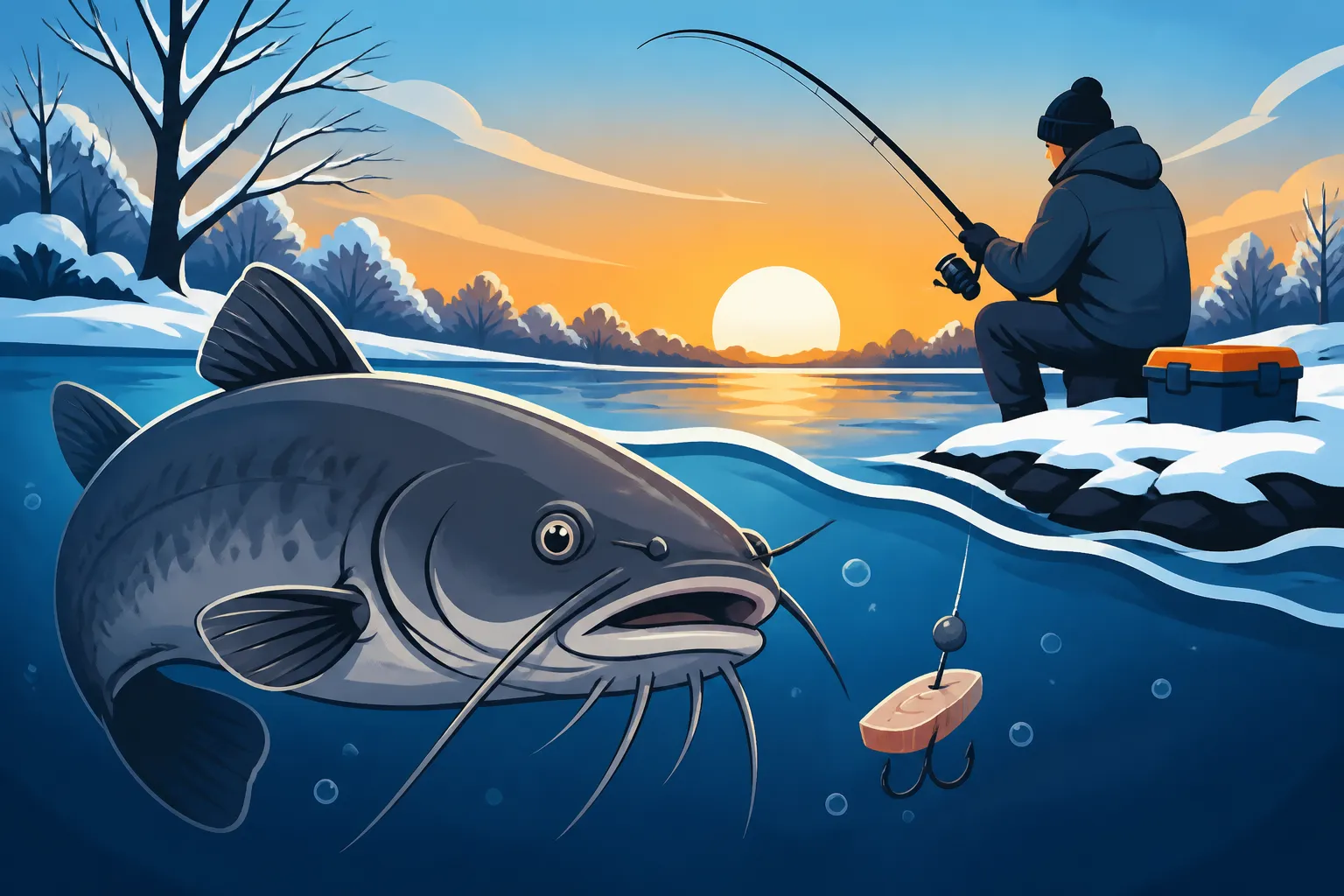
Oh, the crisp air, the quiet lakes, the steam rising from your coffee cup… winter catfishing in Oklahoma can be absolutely magical, but let's be real, it can also be incredibly frustrating if you don't know where to start. Many anglers hang up their rods when the temperatures drop, convinced the catfish have gone into hibernation. But I'm here to tell you that's a mistake! With the right approach, you can have some of the most rewarding and peaceful fishing experiences of the year, and this guide is going to walk you through exactly how to make that happen, from understanding their chilly habits to the gear that keeps you warm and the techniques that put fish in your cooler.
Understanding Winter Catfish Behavior
When the thermometer dips, it's easy to assume that all fish just disappear, right? But that's not quite true for our whiskered friends. Catfish, especially the big blue cats and flatheads, are still very much catchable in the colder months. You just have to adjust your mindset and your strategy to match their seasonal shifts. It’s less about chasing them and more about meeting them where they’re at – which, spoiler alert, is usually a lot deeper and slower than you might expect.
Why Catfish Go Deep in Winter
Imagine you're a cold-blooded creature, and the air temperature is plummeting, the surface water is getting icy, and there's a nasty wind whipping across the lake. What would you do? You'd seek comfort, right? That's exactly what catfish do. They're drawn to the most stable water temperatures available, and in winter, that's typically in the deepest parts of the lake or river. We're talking about those hidden channels, river bends, deep holes, and main lake points that drop off sharply into the abyss.
This isn't just about comfort; it's about survival. Their bodies are reacting to the cold, and finding warmer, more stable water helps them conserve energy. Oxygen levels are also generally more consistent in deeper water during winter, which makes these spots even more attractive. So, don't waste your time shallow, thinking they're just tucked under a dock like in summer. You need to think vertical and explore the depths.
Metabolism Slowdown and Feeding Patterns
This is perhaps the most crucial difference in winter catfishing. Unlike their frenzied summer feeding sprees, cold water makes catfish incredibly lethargic. Their metabolism slows way down, meaning they don't need to eat as often, and when they do, they're not going to chase a fast-moving bait. This is where patience becomes your best friend.
Their bites will often be subtle, almost imperceptible taps rather than the aggressive tugs you feel in warmer months. You'll need to pay close attention to your rod tip. Because they're not as active, you also need to present your bait right on their nose, almost literally. Drifting or slow-trolling can cover ground and put your bait in front of more fish, but once you find them, anchoring and soaking your bait in their zone is often the most effective method. Think slow, think steady, and be prepared for a long wait between bites.
Locating Winter Catfish Hotspots
Finding these cold-water congregating areas is key. Forget the shallow flats and coves for now. You're looking for structure in deep water. In reservoirs, this means primary river channels, deep creek channels, submerged humps near channel edges, and bridge pilings where the water drops off dramatically. On a lake like Lake Texoma or Lake Eufaula, identifying these old riverbeds is paramount. Look for contours on your fish finder or a good mapping app that show sudden depth changes.
In rivers, focus on deep scour holes downstream of dams, outside bends with steep banks, and anywhere the current slows down but still offers deep cover. Catfish will often stack up in these areas, forming dense schools that can offer incredible fishing once you locate them. Don't be afraid to move around until you mark fish. Sometimes, just a slight shift in depth or a different angle to a drop-off can make all the difference. Many anglers find success by understanding the How to Catch Blue Catfish in Deep Water in these colder months, as these giants often hold to very specific deep structures.
Essential Gear for Cold Weather Catfishing
Winter catfishing isn't just about different techniques; it's also about having the right tools to handle the cold and effectively present your baits. Skimping on gear, especially appropriate clothing, will quickly turn a potentially great day into a miserable, short one. You need rugged equipment that can stand up to powerful fish, sensitive enough to detect those subtle winter bites, and layers that protect you from the elements.
Rods, Reels, and Line for Winter Catfishing
Your typical ultralight crappie setup isn't going to cut it when targeting big winter cats. You need robust gear that can handle the sheer power of a large blue or flathead. I'm talking about medium-heavy to heavy action rods, typically 7 to 10 feet long. Longer rods offer better leverage for casting heavy baits from the bank and for fighting big fish from a boat, especially when they dive deep. Look for rods with a sensitive tip to detect those light bites but enough backbone to pull a monster from the depths. Brands like Ugly Stik or Catfish Sumo offer reliable, durable rods that stand up to abuse.
For reels, a sturdy baitcasting reel with a good drag system is ideal. You'll want something that can hold at least 200 yards of heavy monofilament (20-40 lb test) or braided line (50-80 lb test). Braided line is often preferred in winter because its lack of stretch offers superior sensitivity, helping you feel those faint nibbles in deep water. Plus, it's incredibly strong for pulling fish out of snags. Make sure your reel has a smooth, consistent drag, as winter cats can still make powerful runs despite their sluggishness. Many anglers explore the Best Gear for Catfish Fishing in Oklahoma to ensure their setup is optimized for success.
Choosing the Right Baits for Cold Water
Forget the stinky dip baits or fast-moving artificials for winter. Catfish in cold water prefer natural, potent, and often slower presentations. Fresh cut bait is king. Shad, carp, skipjack herring, or even bluegill cut into chunks are incredibly effective. The fresher, the better – a potent scent trail is crucial to attract lethargic fish that aren't actively hunting. Don't be afraid to use larger pieces of cut bait, especially when targeting trophy blue catfish, as this can deter smaller nuisance fish.
Live bait can also be highly effective, particularly for flatheads. A live perch, sunfish, or even a smaller carp can entice a sluggish flathead from its winter hideout. Just be sure to check local regulations on using live bait. When it comes to presentation, a simple Carolina rig or a three-way swivel rig is often best for keeping your bait on the bottom where the fish are holding. These rigs allow the bait to sit naturally with just enough movement to entice a bite without being overly aggressive. For more in-depth bait recommendations, check out our guide on the Best Catfish Bait for Winter Fishing.
Cold Weather Apparel and Safety Gear
This is non-negotiable, folks. Winter fishing can be downright dangerous if you're not dressed properly. Layering is key: start with a moisture-wicking base layer, add insulating layers like fleece or wool, and top it off with a waterproof and windproof outer shell. A good quality pair of insulated, waterproof gloves is a must, as are warm socks and waterproof boots. Don't forget a warm hat that covers your ears – you lose a lot of heat through your head! Brands like Columbia, Carhartt, or even reliable options found on Amazon can offer great cold-weather gear.
Safety isn't just about staying warm. If you're on a boat, ensure all your Life Jacket and PFD Rules for Boaters are up to date and that everyone is wearing a Coast Guard-approved life jacket, especially when water temperatures are low. A fall into icy water can quickly lead to hypothermia. Carry a thermos of hot coffee or soup, and have a first aid kit handy. Even a small space heater on a boat can make a huge difference, but always use it responsibly with proper ventilation. Staying warm and dry directly impacts your ability to focus, feel those subtle bites, and ultimately, enjoy your time on the water.
Bank Fishing Strategies in Winter
Bank fishing during winter might seem less appealing than having a heated boat, but it's absolutely possible and can be incredibly productive, especially if you know where to look. The key is to find those deep-water access points that allow you to cast into prime catfishing territory without needing a boat. It requires a bit more scouting and strategic thinking, but the reward of a big winter cat from shore is something truly special.
Targeting Deep Channels from Shore
This is the biggest hurdle for winter bank anglers. You can't just throw a bait anywhere. You need to find locations where the shore drops off steeply into a main river channel, a deep creek channel, or a deep hole. Think about spillways below dams, points that jut out into the main lake, or bridge crossings where the channel runs close to the bank. These are natural congregation areas for winter catfish because they offer easy access to deep, stable water. For instance, areas below the Denison Dam on Lake Texoma can provide excellent opportunities if conditions are safe and current isn't too strong.
When you've found a promising spot, use heavier sinkers to ensure your bait gets to the bottom and stays there against any subtle current. A good cast isn't just about distance; it's about accuracy, placing your bait right on the edge of that deep drop-off or directly into a channel. Don't be afraid to experiment with different casting angles and distances until you start getting bites. Sometimes, just a few feet one way or another can put you in the strike zone. If you're unsure about specific locations, look up local fishing reports or talk to bait shops; they often have the most up-to-date information on winter hotspots. Learn more about general How to Catch Catfish from the Bank to refine your technique.
Rigging Techniques for Bank Anglers
For bank fishing, simplicity and effectiveness are paramount. The tried-and-true Carolina rig is a favorite for a reason. It allows your bait to move somewhat naturally on the bottom while keeping your sinker securely anchored. You'll want a heavy enough egg sinker or no-roll sinker (2-4 ounces or more, depending on current and depth) to hold your bait in place. Use a sturdy swivel, a 12-24 inch fluorocarbon or monofilament leader (30-50 lb test), and a sharp, strong circle hook (4/0 to 8/0, depending on bait size and target species).
Another effective rig is a slip-sinker rig, which allows the line to pass freely through the sinker, giving the catfish less resistance when they bite. This can be especially important with lethargic winter fish, who might drop a bait if they feel too much tension. Make sure you're using fresh, potent cut bait. Since you're often casting into deeper water and waiting longer for bites, a tough bait that stays on the hook is essential. Some anglers swear by a "santee cooper rig" which keeps the bait slightly off the bottom, making it more visible. Our guide on How to Rig a Slip Sinker for Catfish offers detailed instructions for these setups.
Best Times and Conditions for Winter Bank Fishing
Winter catfishing from the bank often yields its best results during warmer spells, even if it's just a few consecutive sunny days that raise the water temperature by a degree or two. Look for periods of stable weather, rather than immediately after a harsh cold front, which can shut down the bite. Overcast days can sometimes be better than bright sunny ones, as fish may be less prone to suspending off the bottom.
The hours around midday, when the sun is highest and has had a chance to warm the water slightly, can be particularly productive. Early mornings and late evenings can be brutal in winter, both for you and for the fish's activity levels. Pay attention to barometric pressure; stable or slowly rising pressure generally equates to better fishing. Wind direction also plays a role – if you can find a spot on the bank that's sheltered from direct northern winds, you'll be much more comfortable, and the fish might appreciate the calmer conditions too. Always remember that Cold Front Fishing Techniques are crucial for adapting to these shifting weather patterns.
Boat Fishing Tactics for Winter Catfish
If you have access to a boat, your options for finding and catching winter catfish open up significantly. The ability to move and thoroughly explore deep water structure is a huge advantage. However, it also means you need to be more strategic about your approach, utilizing electronics and precise boat control to put your bait exactly where the fish are hiding.
Vertical Jigging and Drifting Techniques
When catfish are tightly schooled in deep water, vertical presentations can be incredibly effective. This isn't jigging in the traditional sense, but more about holding your bait directly over the fish you've marked on your sonar. You can use a heavy jigging spoon, a slab spoon, or even a heavy lead head jig tipped with cut bait. The key is to keep it moving slowly, just enough to get their attention without overworking the bait. A subtle lift and fall can be enough to trigger a strike from a lethargic cat.
Drifting is another excellent technique, especially for covering large areas of a deep flat or channel. Using the wind or a trolling motor on a very low setting, you can slowly drag cut bait along the bottom. This allows you to present your bait to multiple fish over a wider area. A "drift sock" or sea anchor can help slow your drift down to an optimal speed, often as slow as 0.5 to 1.0 mph. This technique works wonders on expansive lakes like Lake Eufaula, where cats can spread out along channel bends. Ensure your bait is heavy enough to maintain bottom contact during the drift.
Using Sonar to Pinpoint Schools
Your fish finder is your most valuable tool for winter catfishing from a boat. Don't just motor around hoping; actively search for fish. Look for large schools of fish suspended near the bottom, especially along channel edges, humps, or in deep holes. Modern side-imaging and down-imaging units can paint a detailed picture of the bottom structure and where fish are holding. Pay attention to baitfish schools as well; predator fish like catfish will often be found nearby.
Once you mark a school of catfish, use your GPS to mark the spot. Then, you can either anchor directly on them or make multiple passes, drifting through the school. Remember, catfish can be tightly packed in winter, so finding that precise location can mean the difference between zero bites and a cooler full of fish. Don't be afraid to circle back and re-evaluate your sonar readings. Sometimes, a slight change in direction or depth can lead you right to the honey hole. Many serious anglers invest in high-quality sonar units that can distinguish individual fish from structure, which is invaluable for How to Catch Blue Catfish in Deep Water in their winter haunts.
Anchoring and Positioning for Success
Once you've located a promising school of catfish or a deep structure that's likely holding fish, precise anchoring is critical. You want to position your boat so your baits land exactly where the fish are. Consider the wind and current, and anchor slightly upstream or upwind of your target area, allowing your baits to drift back into the zone. Using two anchors (one off the bow, one off the stern) can help you hold your boat stationary, preventing it from swinging and moving your baits out of the strike zone.
When anchoring, be mindful of the noise you make. Dropping a heavy anchor directly over a school of lethargic fish can spook them. Try to drop your anchor quietly and let out enough rope to slowly settle into position. Once anchored, spread your rods out around the boat, fishing different depths and distances from the boat to see what the fish prefer. Sometimes, a bait presented 50 feet away is more effective than one right under the boat. Be patient, soak your baits, and let the fish come to you.
Specific Winter Catfish Techniques by Species
Oklahoma is blessed with three main species of catfish: blue, channel, and flathead. While they all respond to cold water in similar ways (slowing down, seeking deep water), there are nuanced differences in how you target them effectively in winter. Understanding these distinctions can dramatically increase your success rate, especially when you're focusing on one particular type of whisker fish.
Blue Catfish: Targeting Trophy Fish
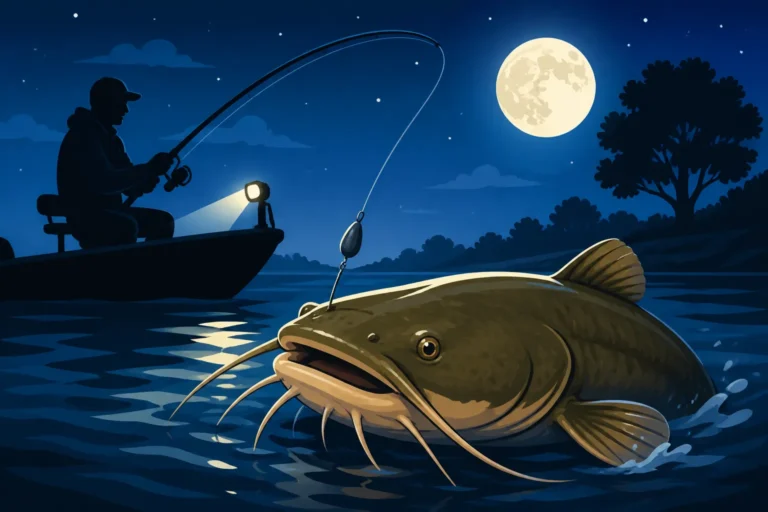
Blue catfish are arguably the most sought-after winter cat species in Oklahoma, especially the giants. They tend to school up in massive numbers in very specific deep-water areas, making them a fantastic target once located. In winter, blues will primarily feed on other fish, so large pieces of fresh cut bait are almost always the best choice. Shad, carp, or even larger gizzard shad are prime offerings. The bigger the bait, the better the chance of enticing a true trophy.
Focus your efforts on the main lake channels, deep bends in rivers, and major creek channels that feed into large reservoirs like Lake Texoma or Grand Lake. Look for these fish holding tight to the bottom in 30 to 80 feet of water, sometimes even deeper. Once you find a school on your sonar, anchor upcurrent or upwind and send multiple heavy-duty rigs down with large chunks of cut bait. Patience is key; it might take a while for them to decide to bite, but when they do, it's usually an aggressive take. Many anglers refer to our detailed comparison, Channel Catfish vs Blue Catfish vs Flathead Catfish in Oklahoma, to refine their species-specific tactics.
Channel Catfish: Finesse in Cold Water
While blue cats are often the target of winter trophy hunters, channel catfish are still very catchable, especially in smaller lakes, ponds, and slower river sections. In winter, they tend to be a bit more scattered than blues, and their bites can be even more subtle. For channel cats, you might need a slightly more "finesse" approach. Smaller pieces of cut bait, chicken liver (though it's tough to keep on the hook), or even prepared stink baits that have a potent, long-lasting scent can work. Some anglers have success with shrimp or nightcrawlers.
Target channel cats in slightly shallower deep water than blues, perhaps 15 to 40 feet, often relating to submerged brush piles, old roadbeds, or the deeper ends of coves that still offer stable temperatures. A medium-heavy spinning rod with a sensitive tip can be very useful for detecting their light bites. Keep your rigs fairly simple, like a Carolina rig with a 1-ounce sinker, and fish it slowly. It's not about covering a lot of ground; it's about putting your bait directly in front of individual fish and waiting them out. Remember, winter channel cats won't chase a bait aggressively, so your presentation needs to be patient and right on their nose.
Flathead Catfish: A Challenging Winter Pursuit
Flatheads are notorious for being a difficult catch in winter, but not impossible. Unlike blues and channels, flatheads are almost exclusively piscivorous, meaning they prefer live bait. In winter, they become incredibly lethargic and will often tuck themselves into heavy cover like log jams, rock piles, or undercut banks in deep water. They won't move far for a meal, so your live bait needs to be presented directly to their ambush point.
Targeting winter flatheads often means using larger live baits, like 6-10 inch perch or sunfish, fished on stout gear. You'll need heavy line, a strong rod, and a reliable reel to pull them out of their snag-filled homes. Focus on deep river bends with heavy wood cover or the submerged timber in deep reservoir creek channels. This is where your sonar will come in handy to identify these hidden structures. The bite of a winter flathead is often a slow, deliberate take. They'll mouth the bait, and you'll feel a gradual increase in pressure on your line rather than an aggressive strike. Setting the hook requires patience and a firm hand. This is a truly challenging but rewarding winter endeavor for the dedicated angler.
| Species | Preferred Winter Habitat | Primary Winter Bait | Typical Winter Depth | Bite Tendency (Winter) |
|---|---|---|---|---|
| Blue Catfish | Main lake channels, deep river bends, major creek channels | Large fresh cut bait (shad, carp) | 30-80+ feet (often deeper) | Deliberate, but often strong |
| Channel Catfish | Deep ends of coves, submerged brush, old roadbeds | Smaller cut bait, shrimp, stink bait | 15-40 feet | Very subtle taps, light |
| Flathead Catfish | Heavy wood cover, log jams, rock piles, undercut banks | Live bait (perch, sunfish) | 20-60 feet (near cover) | Slow, gradual pressure |
Tips for Success and Overcoming Winter Challenges
Winter catfishing, while rewarding, presents its own unique set of challenges that can test even the most seasoned angler. From battling the elements to maintaining your composure during long periods of inactivity, it requires a different kind of mental and physical fortitude. But don't worry, a few key strategies can help you overcome these hurdles and turn a tough day into a triumphant one.
Dealing with Cold Hands and Icy Conditions
Cold hands are the arch-nemesis of winter fishing. They make tying knots impossible, rebaiting a hook a painful chore, and can quickly send you packing. Invest in good insulated, waterproof gloves, perhaps even a pair of fingerless gloves that allow for dexterity when needed, with waterproof mittens that can be pulled over them. Chemical hand warmers, readily available on Amazon or at local sporting goods stores, are your best friend. Keep a few in your pockets and one in each glove.
Beyond your hands, ice can be a real issue. Be incredibly careful walking on docks or boat ramps, which can become slick hazards. If you're on a boat, watch for ice buildup on lines and guides, which can impede casting and reeling. A small bottle of de-icer spray can help keep your guides clear. Always check local lake conditions before heading out, as some areas may freeze over or become inaccessible. Remember, safety always comes first, so if conditions are too dangerous, it's always better to reschedule your trip.
Patience and Persistence in Winter
I've said it before, and I'll say it again: patience is paramount in winter catfishing. The bites are fewer and far between, and the fish are not in a hurry. You might sit for an hour or two without a single nibble, only to suddenly get into a flurry of action. Don't constantly reel in to check your bait; if you're using fresh, potent bait, it will do its job. Trust your setup and wait.
Persistence also means being willing to move if you're truly not getting any action after a significant amount of time. Don't be afraid to pull up anchor and try another deep channel bend or a different hole you've marked on your map. Sometimes, a slight change in location, even just 100 yards, can make all the difference. The challenge is balancing persistence with patience – knowing when to wait it out and when to relocate. This is a skill honed over many cold days on the water. Check out Oklahoma's Catfish Fishing Rules and Limits to ensure you're compliant while practicing this patience.
Knowing When to Call It a Day
This is perhaps the most important tip. While winter catfishing can be rewarding, it's also physically demanding. There's a fine line between enjoying a challenging day and pushing yourself too far into uncomfortable or even dangerous territory. If you find yourself shivering uncontrollably, losing feeling in your extremities, or becoming overly frustrated, it's time to pack it in. No fish is worth risking your health or sanity.
Pay attention to weather forecasts, and if a drastic cold front or severe weather is moving in, don't try to "get one last cast." Be prepared to end your trip early if conditions deteriorate. Fishing should be an enjoyable escape, not a grueling ordeal. Sometimes, the best technique is knowing when to call it a day, head home, warm up, and plan your next winter adventure. After all, Oklahoma's winter catfishing season is long, and there will always be another day to wet a line.
Disclaimer
Fishing inherently involves risks. Always prioritize safety, understand local regulations, and be mindful of weather and water conditions. The information provided in this guide is for informational purposes only, and individual results may vary. Always check current Oklahoma Department of Wildlife Conservation regulations before fishing, as rules can change seasonally and by location.