Jug Fishing for Catfish
Jug fishing for catfish in Oklahoma can seem deceptively simple – just a line, a hook, and a float, right? But if you’ve ever tried it without knowing the local nuances, you've probably ended up with empty hooks, tangled lines, or worse, a run-in with a game warden. It's not just about tossing out some jugs; it's an art and a science, deeply rooted in Oklahoma's rich fishing culture, and understanding the ins and outs is crucial to a successful and legal trip. This guide will take you through everything you need to know to become a proficient jug fisherman in the Sooner State.
Understanding What Jug Fishing Truly Is in Oklahoma
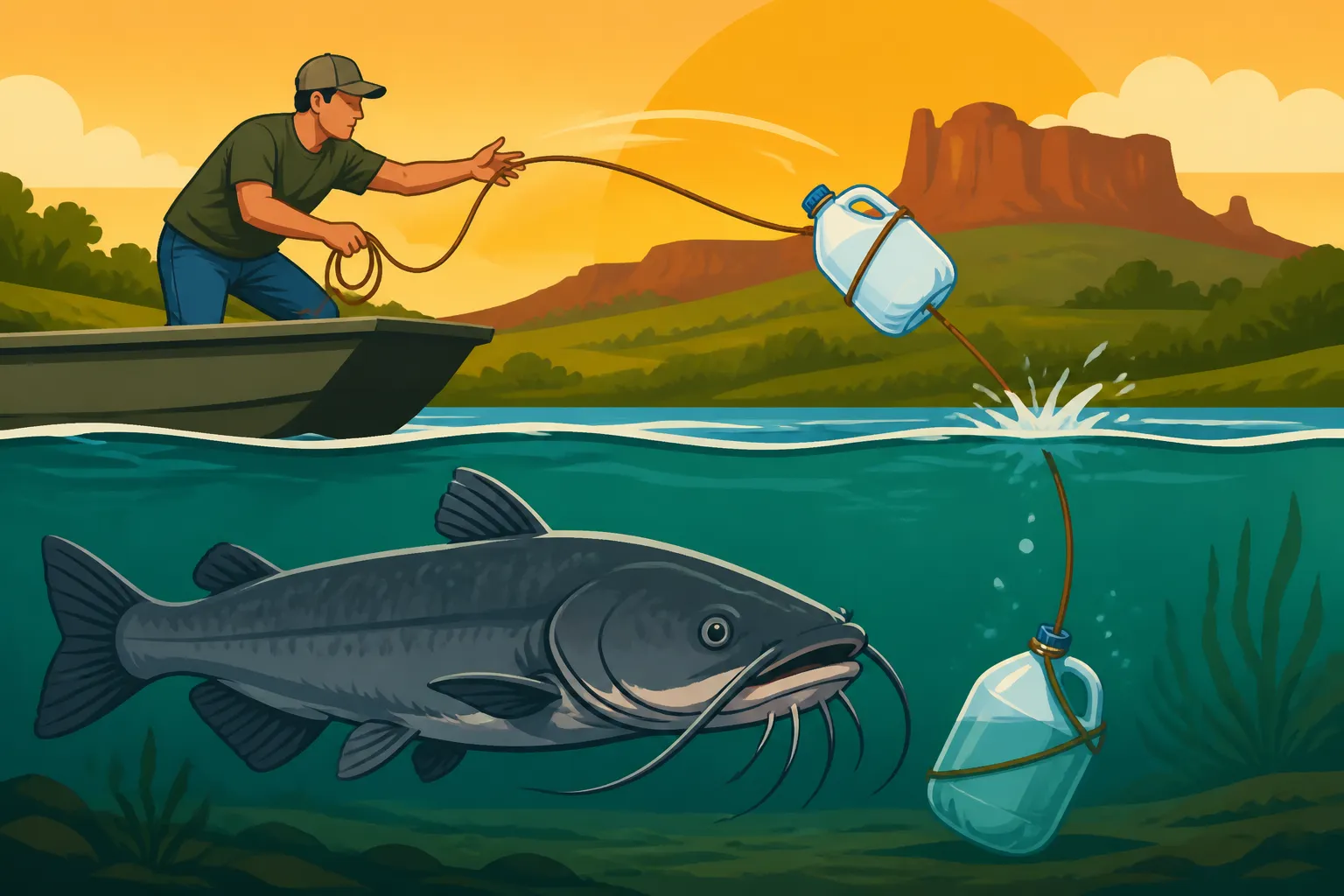
Jug fishing, at its heart, is a passive fishing technique where multiple baited lines, each attached to an independent floating device (the "jug"), are deployed and allowed to drift freely or anchored in a specific area. Unlike traditional rod-and-reel fishing, where you actively hold the rod, jug fishing lets the fish come to the bait and then signals a bite by the movement of the jug. It’s a method that perfectly suits the patient angler and the prolific catfish populations found throughout Oklahoma's diverse waterways.
The Simplicity and Effectiveness of Jug Fishing
Imagine a serene evening on Lake Texoma, the sun dipping below the horizon, casting orange and purple hues across the water. You've just deployed a dozen jugs, each floating silently, carrying the promise of a big blue or channel catfish. This isn't just a simple setup; it's an incredibly effective way to cover a large area of water, presenting bait at various depths and locations simultaneously. The free-floating nature of the jugs allows your bait to mimic natural drift, enticing curious catfish that might ignore a stationary offering. It's a method that maximizes your chances of hooking into multiple fish without requiring constant attention to a single rod. Plus, there’s a unique thrill in spotting a distant jug suddenly dancing on the water, signaling a battle is about to begin.
Why Catfish Are the Perfect Quarry for Jug Lines
Catfish, particularly the blue, channel, and flathead varieties abundant in Oklahoma, are ideally suited for jug fishing. These opportunistic feeders rely heavily on scent and vibration, and a drifting, baited jug line perfectly exploits these instincts. Channel catfish, known for their strong sense of smell, are quickly drawn to the pungent baits often used on jug lines. Blue catfish, often found in deeper, open waters of larger reservoirs, will readily pick up the scent trails from drifting offerings. Flatheads, while preferring live bait and structure, can also be successfully targeted with jug lines when set in their preferred ambush points. Their aggressive feeding habits and powerful fights make them exciting catches on jug lines, which often provide more leverage against a struggling fish than a flexible rod.
The Unique Thrill and Challenge of the Jug Fisher
There’s an undeniable excitement that comes with jug fishing. It’s not the immediate, jarring strike you feel through a rod and reel. Instead, it’s the slow, deliberate movement of a jug disappearing, or suddenly heading in an unexpected direction, that gets your heart pumping. The challenge lies in anticipating where the fish might be, adapting your bait and depth, and understanding the currents. Once a jug is on the move, retrieving it can be a mini-adventure, especially if it’s a strong catfish pulling hard. You might find yourself chasing a jug for hundreds of yards across open water, battling both the fish and the elements. This blend of anticipation, strategy, and hands-on retrieval makes jug fishing a distinctly engaging and rewarding experience, quite different from any other fishing method.
Navigating Oklahoma's Jug Fishing Regulations
Before you even think about putting a jug in the water, you absolutely must understand Oklahoma's specific regulations regarding jug lines. Ignoring these rules can lead to hefty fines, confiscation of your gear, and a ruined fishing trip. The Oklahoma Department of Wildlife Conservation (ODWC) has clear guidelines designed to ensure fair chase, manage fish populations, and prevent waterway hazards.
Mandatory Licensing and Jug Tagging Requirements
First and foremost, anyone engaging in jug fishing must possess a valid Oklahoma fishing license. There are no exceptions for specific methods like jugging; if you're fishing, you need a license. You can find detailed information on getting yours in our guide on How to Get a Fishing License in Oklahoma. Beyond that, every single jug line you deploy must be tagged with your name and address, or your Oklahoma hunting and fishing license number. This isn't a suggestion; it's a legal requirement. Imagine the frustration of having a game warden check your lines and finding untagged jugs – that’s an instant violation. This rule helps identify owners, prevents abandonment of gear, and ensures accountability. You can often write this information directly onto the jug with a permanent marker, or attach a waterproof tag securely.
Strict Limits on Jug Numbers and Retrieval Timelines
Oklahoma enforces strict limits on the number of jug lines an individual can operate. Generally, a single angler is allowed to use a maximum of 20 jug lines. This limit prevents over-harvesting and minimizes the amount of unattended gear in the water. It’s also important to remember that all jug lines must be attended. While "attended" doesn't mean you have to be right next to them 24/7, it does mean you must retrieve them at least once every 24 hours. You can't just set them out for days on end. This prevents ghost fishing (where lost or forgotten lines continue to catch fish) and reduces litter. If you're planning an overnight trip, ensure you have a plan to check and retrieve your jugs as required. These rules are part of Oklahoma's Catfish Fishing Rules and Limits designed to sustain healthy fish populations.
Where You Can and Cannot Set Jug Lines
Not all waters in Oklahoma are open to jug fishing. While it's generally permitted on many of the state's larger lakes and rivers, there are specific areas where it's prohibited. For instance, jug lines are often restricted in smaller municipal lakes, certain state park ponds, or designated fishing areas where only rod and reel or other specific methods are allowed. Always consult the current ODWC fishing regulations guide for the specific body of water you plan to fish. Furthermore, jugs should not be set in busy navigation channels or areas where they could pose a hazard to other boaters. Common sense and courtesy go a long way here. It’s also worth noting that some private ponds or lakes might have their own rules, so always seek permission if you're not on public waters.
Essential Gear for Your Oklahoma Jug Fishing Adventure
While the concept of jug fishing is simple, having the right gear can make all the difference between a frustrating tangle and a bountiful haul. You don't need to break the bank, but investing in durable, appropriate equipment will enhance your experience and success.
Choosing the Right Jugs and Lines for Durability
The "jug" itself is the star of the show, and you have several options. Many anglers repurpose household items like one-gallon plastic milk jugs or two-liter soda bottles, which are inexpensive and readily available. However, for more durability and visibility, many opt for purpose-built floats or pool noodles cut into segments. PVC pipe sections sealed at both ends also make excellent, robust jugs. Regardless of what you choose, ensure it's buoyant enough to support a struggling catfish and brightly colored for easy visibility, especially at dawn or dusk. You can find a good selection of materials on Amazon if you're looking for consistent, high-quality floats.
For the line, heavy-duty monofilament or braided line is preferred. Monofilament in the 80-150 lb test range is common, offering good abrasion resistance against catfish teeth and underwater structure. Braided line of similar strength can also be used, providing excellent sensitivity (though less critical with jugs) and strength. Each jug needs about 10-20 feet of line, depending on the typical water depths you plan to fish. You’ll want enough line to allow your bait to reach near the bottom or suspend at a desired depth, plus extra for tying off and handling.
Hook Selection and Swivels: Don't Skimp on Quality
Hooks are where the rubber meets the road, or rather, where the steel meets the fish. For catfish, circle hooks are highly recommended, often in sizes ranging from 4/0 to 8/0, depending on the average size of catfish you expect to encounter. Circle hooks significantly reduce gut hooking, making them ideal for catch-and-release and ensuring healthier fish if you plan to keep them. They also tend to set themselves once the fish takes the bait and turns away, making them perfect for passive jug lines. For flathead catfish, you might even go larger, up to 10/0, especially when using big live baits.
Heavy-duty swivels are equally important. They prevent line twist, which can weaken your line and make handling difficult. Barrel swivels or ball-bearing swivels in sizes appropriate for your line strength (e.g., 50-100 lb test) should be used where your main line connects to a leader, and also to attach weights if you're using them. This setup ensures that even a spinning catfish won’t kink your line.
Must-Have Accessories and Safety Gear
Beyond the jugs and lines, a few key accessories will make your jug fishing trip safer and more efficient:
- Pliers/Hook Removers: Catfish have sharp fins and teeth. A good pair of long-nose pliers or a dedicated hook remover is essential for safely extracting hooks.
- Heavy-Duty Gloves: Protect your hands from fish spines, hooks, and rough line.
- Bright Headlamp or Spotlight: Indispensable for night fishing or checking jugs in low light.
- Large Net or Gaff: For landing bigger fish, especially if you're in a boat. A large landing net makes it easier to scoop up a big blue cat.
- Anchor/Weight: If you plan to set jugs in a specific area rather than let them drift, small weights (1-2 pounds) can be tied to a separate line to anchor the jug.
- Cooler with Ice: To keep your catch fresh, especially in warm Oklahoma weather.
- First-Aid Kit: Accidents happen, especially around hooks and slippery fish.
- Boat or Kayak: While bank jug fishing is possible in some areas, a boat or kayak provides far more access and mobility for setting and retrieving lines. You can check Amazon for durable and affordable dry bags to keep your essentials safe on the water.
Master the Art of Setting Your Jug Lines
The true skill in jug fishing comes down to how and where you set your lines. It’s not enough to just throw them out; you need a strategy tailored to the environment and the catfish you're pursuing.
Baiting Your Hooks for Irresistible Attraction
The right bait is paramount. For channel catfish, strong-smelling options like chicken liver, cut hot dogs, shad guts, or commercial stink baits are highly effective. These baits release powerful odors that catfish can detect from a distance. For blue catfish, cut bait from oily fish like shad, skipjack herring, or carp is often the top choice. Fresh cut bait, especially from local forage, is usually superior. For flathead catfish, which prefer live prey, small sunfish, perch, or goldfish are ideal. Ensure your live bait is lively and securely hooked.
Here’s a quick overview of popular baits:
| Catfish Species | Preferred Bait Type | Specific Baits Recommended |
|---|---|---|
| Channel Catfish | Scent-driven (prepared/cut) | Chicken liver, stink bait, hot dogs, shad guts |
| Blue Catfish | Oily cut bait | Fresh cut shad, skipjack herring, carp |
| Flathead Catfish | Live bait | Live sunfish, perch, goldfish, small bluegill |
You can read more about Best Bait for Catfish in Oklahoma Lakes and Rivers to fine-tune your choices. When baiting, use enough to create a good scent trail but not so much that it's easily stripped by smaller fish or current.
Optimal Depth and Placement Strategies
Catfish will be at different depths depending on the season, time of day, and water conditions. In warmer months, catfish often follow thermoclines (layers of water with different temperatures) or will be found in deeper holes during the day, moving shallower at night. In cooler water, they might suspend or hold closer to the bottom.
- Bottom Fishing: For many catfishing scenarios, especially for larger blues and flatheads, you’ll want your bait near the bottom. Attach a small weight (1-2 ounces) a foot or two above your hook to keep the bait down.
- Suspended Bait: Sometimes catfish are suspending in the water column, particularly blue cats feeding on schooling baitfish. You can adjust your line length to keep your bait 5-10 feet off the bottom, or even in mid-water.
- Structure: Catfish love structure – submerged timber, rock piles, ledges, and creek channels. If you have a fish finder in your boat, use it to identify these features and deploy your jugs around them. Remember to set them far enough away from dense cover to avoid snagging.
Covering Different Water Depths and Structures
To maximize your chances, don't set all your jugs at the same depth or in the same area. Vary your line lengths to cover multiple depths. If fishing a lake with varied topography, try some jugs over deep channels, some near submerged humps, and others drifting over flats. This "scattergun" approach helps you quickly identify where the fish are most active. Pay attention to current and wind direction; these will dictate how your jugs drift. If the wind is pushing them too fast, you might need to use a slightly heavier weight to keep the bait in the strike zone longer. If you're targeting specific areas, consider using small anchors to keep a few jugs relatively stationary.
Advanced Techniques and Tips for More Catfish
Once you've mastered the basics, you can elevate your jug fishing game with a few advanced strategies. These techniques leverage environmental factors and species-specific behaviors to put more fish on your line.
Reading the Water and Weather for Catfish Hotspots
Just like any other type of fishing, understanding the water and weather conditions is crucial for jug fishing success.
- Water Temperature: Catfish are cold-blooded, and their activity levels are directly tied to water temperature. In spring, as water warms, catfish move to shallower spawning areas. In summer, they might retreat to deeper, cooler water during the day, becoming more active at night. Understanding how water temperature affects fish feeding habits will significantly improve your success.
- Current and Wind: Current dictates how your jugs will drift. A steady, gentle current is often beneficial, spreading scent trails and mimicking natural food movement. Too much current can cause your jugs to drift too quickly, making them hard to retrieve and potentially pulling baits out of prime zones. Wind will also affect drift, especially for unweighted jugs. Use a GPS on your boat to mark where you dropped jugs and track their drift path.
- Barometric Pressure: A stable or rising barometric pressure often corresponds with better fishing. A sudden drop, typically associated with approaching storms, can sometimes trigger a feeding frenzy right before the front hits, or shut down fishing completely afterward. Our guide on How Cold Fronts Change Fishing Patterns on Oklahoma Lakes offers more insights into this.
Species-Specific Strategies for Oklahoma's Catfish Trio
While jug fishing works for all three major catfish species in Oklahoma, tailoring your approach to each can yield better results.
- Blue Catfish: These open-water giants are often found in the main lake basins of large reservoirs like Lake Texoma, Lake Eufaula, and Grand Lake. They school up and often follow baitfish. When targeting blues, use large cut bait (shad is king) and set some jugs to drift over deep channels or humps, and others to suspend at different depths. Don't be afraid to go deep. Check out How to Catch Blue Catfish in Deep Water for more tips.
- Channel Catfish: The most widespread catfish in Oklahoma, channels can be found in rivers, streams, and lakes. They are excellent targets for stink baits and chicken liver. They often prefer areas with some cover – submerged brush, riprap, or weed lines. Jugs can be set to drift along shorelines or across flats where channels might be foraging.
- Flathead Catfish: These apex predators prefer live bait and structure. When jug fishing for flatheads, focus your efforts on areas with heavy cover – log jams, submerged trees, or rocky ledges, especially in river systems or the upper arms of reservoirs. Use live bluegill or sunfish as bait, and ensure your lines are tough enough to withstand their powerful runs near abrasive structure. Our guide on Channel Catfish vs Blue Catfish vs Flathead Catfish in Oklahoma helps you distinguish your catch.
Embracing the Night: The Magic of Summer Catfishing with Jugs
Catfish are largely nocturnal, especially in the warm summer months. This makes night fishing with jugs incredibly productive and a truly unique experience.
- Why Night Fishing Works: Under the cover of darkness, catfish often move into shallower waters to feed, becoming more aggressive and less wary. The reduced boat traffic also creates a calmer environment.
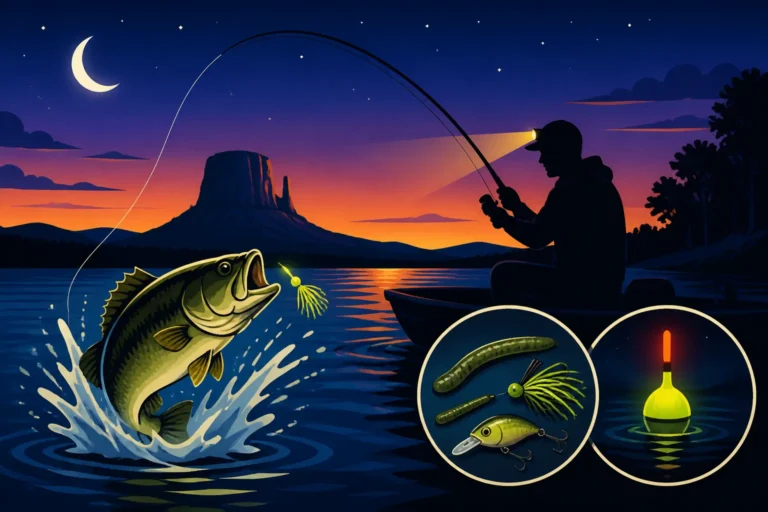
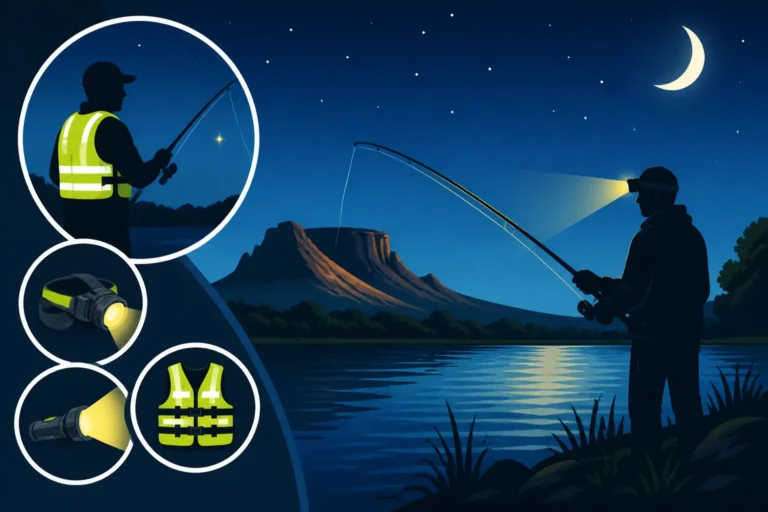
- Essential Night Gear: A powerful headlamp or spotlight is non-negotiable for tying knots, baiting hooks, and spotting those distant, dancing jugs. Glow sticks can be attached to your jugs for easier visibility, creating a mesmerizing pattern across the water.
- Safety First: Boating at night requires extra caution. Ensure your boat's navigation lights are working, always wear a life jacket, and be aware of your surroundings. Bring extra batteries for your lights and always tell someone your float plan. Night fishing for catfish is a blast, but safety should always be your top priority. You can learn more techniques in Summer Night Fishing Techniques in Oklahoma.
Retrieving Your Catch and Best Practices
The moment of truth arrives when a jug starts to dance. Knowing how to safely and effectively retrieve your catch, and how to handle the fish once it's in hand, is the final step to a successful jug fishing outing.
Safe and Efficient Retrieval Techniques
When you spot a moving jug, approach it slowly and carefully with your boat. The last thing you want to do is spook the fish or tangle your propeller in the line.
- Approach with Caution: Circle wide and come up to the jug from downwind or down current if possible. This allows you to manage the drift of your boat and the jug.
- Grab the Jug: Once close enough, carefully grab the jug itself, or the line just below it. Be prepared for a strong pull!
- Hand-Lining the Fish: Now the real battle begins. With gloved hands, begin pulling in the line hand-over-hand. Keep the line taut and be ready for sudden surges from the fish. Do not wrap the line around your hands or body.
- Using a Net or Gaff: For larger catfish, especially those over 10-15 pounds, a large landing net is invaluable. For true trophy blue cats, a gaff might be necessary, but use it sparingly and only if you intend to keep the fish, as it causes damage. Always try to net the fish headfirst.
Proper Handling and Care for Catfish
Once the fish is alongside the boat, handling it correctly ensures safety for both you and the fish.
- Beware of Spines: Channel catfish have sharp dorsal and pectoral fins that can inflict painful wounds. Blue catfish fins are also very sharp, and even flatheads have sharp spines. Use heavy gloves and be mindful of where you place your hands.
- Secure the Fish: Before attempting hook removal, get a firm, secure grip. For smaller catfish, gripping behind the gill plates (but not in the gills) works well. For larger fish, a lip grip (like a BogaGrip) can be very effective, or a firm hand grip on the lower jaw if you're experienced.
- Quick Hook Removal: Use long-nose pliers or a hook remover to quickly and carefully remove the hook. If the hook is deeply embedded and you intend to release the fish, it’s sometimes better to cut the line as close to the hook as possible rather than cause more damage trying to extract it.
Releasing or Keeping Your Catch: Adhering to Limits
Oklahoma has specific bag and length limits for catfish, which you must respect.
- Bag Limits: Most waters have a daily bag limit of 15 catfish (blue and channel combined) and an individual may only keep one blue catfish over 30 inches. These rules are detailed in The 30-Inch Blue Catfish Rule in Oklahoma and Oklahoma's Catfish Fishing Rules and Limits. Always check the current regulations before your trip.
- Length Limits: While many waters don't have minimum length limits for channel catfish, some may for blue catfish, and the one over 30 inches rule is critical. Flatheads often have specific size limits too.
- Releasing Fish: If you're releasing a fish, do so quickly and gently. Support its body in the water until it swims away under its own power. Avoid dragging it over rough surfaces or keeping it out of water for extended periods, especially in warm weather.
Jug fishing is a storied tradition in Oklahoma, offering a unique blend of relaxation and thrilling action. By understanding the regulations, preparing with the right gear, employing smart strategies, and handling your catch responsibly, you'll be well on your way to enjoying bountiful and memorable catfish adventures across the state's amazing waterways.
Disclaimer
Please note: Fishing regulations, license requirements, and bag limits are subject to change. Always consult the latest official Oklahoma Department of Wildlife Conservation (ODWC) regulations before heading out on your fishing trip. This guide is for informational purposes only and does not constitute legal advice.