How to Catch Crappie During the Spring Spawn at Lake Eufaula, Oklahoma
The spring crappie spawn at Lake Eufaula can be one of the most exciting, and sometimes frustrating, times to hit the water. Anglers often dream of those days when crappie are stacked thick in the shallows, biting everything in sight, but in reality, finding them and getting them to bite consistently takes a bit of know-how. This comprehensive guide will walk you through everything you need to know to successfully target and catch crappie during their spring spawn at Oklahoma's Lake Eufaula, covering timing, tactics, and prime locations.
Understanding the Spring Crappie Spawn in Oklahoma
The crappie spawn is a magical time of year for anglers, but it's not a single event; it's a progression. Knowing when and why these fish move shallow is your first step to filling a cooler.
The Timing of the Spawn at Lake Eufaula
Crappie are highly attuned to water temperature, and that's the absolute biggest factor determining when they decide it's time to reproduce. At Lake Eufaula, one of Oklahoma's largest reservoirs, the spawn typically kicks off when water temperatures consistently reach the mid-50s Fahrenheit, usually somewhere between 55 to 65 degrees.
This period generally falls from late March through May, but don't etch those dates in stone. Mother Nature loves to throw curveballs. A warm, early spring might push the spawn forward, while a late cold snap can delay it significantly. Because Lake Eufaula is such a massive body of water, covering over 100,000 surface acres with countless coves and arms, the spawn often happens in stages. The shallower, darker-bottomed coves and northern reaches of the lake tend to warm up faster, meaning crappie there might spawn a week or two earlier than those in deeper, main-lake pockets. It's truly a staggered event, which is great news for anglers because it means a longer window of opportunity! To truly understand the general patterns, it's helpful to review information on When Do Crappie Spawn in Oklahoma Lakes?.
Why Crappie Move Shallow to Spawn
It's not just about warmer water; it's about survival. Crappie migrate from their deeper wintering haunts into shallower areas for a few crucial reasons. Firstly, those warmer, shallower waters are where the sunlight penetrates best, which helps stimulate plant growth and aquatic insect activity. This provides cover and food for their fry once they hatch.
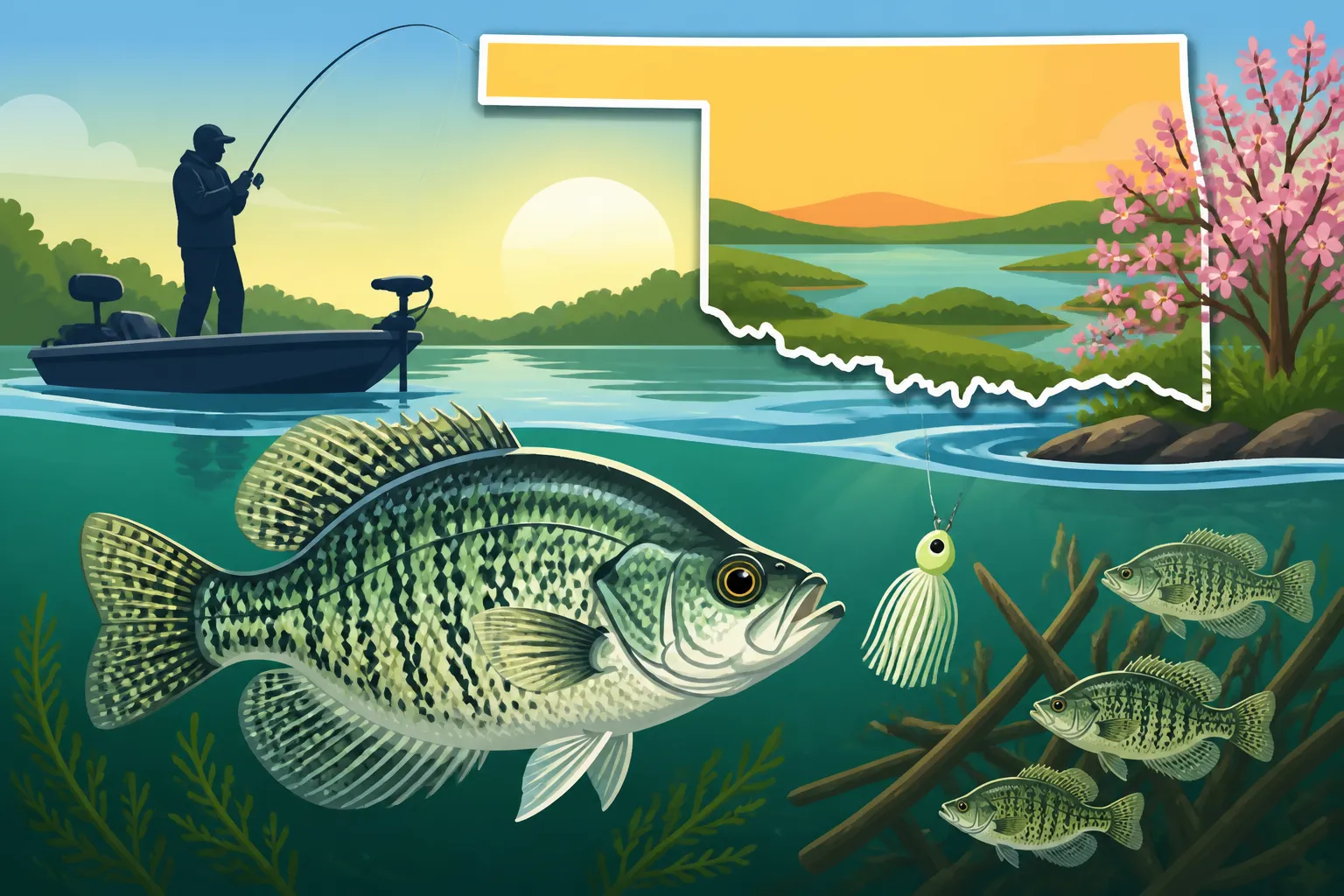
Secondly, and most importantly, crappie are seeking out suitable structure to deposit and protect their eggs. Males will typically move in first, clearing out small "nests" on hard bottom, often near submerged brush, log jams, rock piles, or even dock pilings. They're looking for places where their eggs can cling securely and be guarded from predators. These shallow, sheltered spots also offer protection from strong currents and drastic water level fluctuations that could wash away their precious future generations. Understanding this behavior is critical because it tells you exactly what kind of cover you should be targeting.
Essential Gear and Tactics for Eufaula Crappie
Once you understand when and where crappie are likely to be, the next step is arming yourself with the right tools and techniques to catch them. During the spawn, crappie can be both aggressive and surprisingly finicky, so having a versatile setup is key.
Rods, Reels, and Line for Light Tackle Fishing
For crappie fishing during the spring spawn, a light-action or ultralight spinning rod is your best friend. Something in the 5 to 7-foot range with a fast tip will give you the sensitivity to detect those subtle bites and the backbone to handle a good-sized slab. Pairing this with a small spinning reel, like a 1000 or 2000 series, keeps the setup lightweight and balanced, allowing for hours of comfortable casting and precise jigging.
When it comes to line, you have a few good options. Monofilament line in 4 to 6-pound test is a classic choice for crappie. It has a bit of stretch, which can be forgiving when a crappie surges, and it's less visible in clear water. Fluorocarbon line in the same pound test offers more sensitivity and less stretch, making it excellent for detecting light bites, especially when vertical jigging. Some anglers even prefer a braided line (6-10 pound test) with a fluorocarbon leader for maximum sensitivity and strength, though its visibility can sometimes be an issue in super clear conditions. You can find a fantastic selection of these light tackle setups and various line options on platforms like Amazon, making it easy to get exactly what you need delivered right to your door.
Lures and Baits That Get Bites
Crappie in the spring are mostly focused on eating to fuel their spawning activities and then to recover. This means they can be incredibly responsive to both artificial lures and live bait.
For artificials, small jigs are the undisputed champions. You'll want an assortment of sizes, typically ranging from 1/32 to 1/8 ounce, to match different depths and conditions. Jig bodies come in a myriad of shapes and colors. Small tube jigs, curly tail grubs, and tiny swimbaits (often 1 to 2 inches long) are incredibly effective. As for colors, you absolutely need to have chartreuse, white, black/chartreuse, and electric chicken in your tackle box. On clear, sunny days, natural colors like smoke, clear with glitter, or pearl might work better, while in stained or cloudy conditions, brighter colors often shine. You might also want to explore Best Crappie Jig Colors for Clear Water or Best Crappie Jig Colors for Stained Water for more specific insights.
Live minnows are another deadly option, especially when crappie are a bit more lethargic or spooky. A small fathead minnow hooked through the lip or back, fished under a slip bobber or tightlined, can be irresistible. Many anglers choose to tip their jigs with a minnow for the best of both worlds—the visual appeal and action of the jig combined with the scent and live presentation of the minnow. If you're wondering about the best options, Best Bait for Crappie in Oklahoma provides a good overview, and there's also detailed information on How to Rig a Minnow for Crappie Fishing.
Key Techniques for Spring Crappie
Successfully catching crappie during the spawn often boils down to presenting your bait or lure correctly in their strike zone.
One of the most common and effective techniques is casting and retrieving small jigs. Cast your jig past a piece of cover – like a submerged tree limb or a dock piling – and retrieve it slowly, often with a subtle twitching action. The idea is to make the jig appear like a wounded baitfish or an easy meal. Vary your retrieve speed and depth until you find what the fish are responding to. Sometimes a steady, slow retrieve is best, while other times a stop-and-go retrieve triggers more bites.
Vertical jigging is another highly productive method, especially when you've pinpointed a brush pile or a specific piece of structure with your electronics. Position your boat directly over the fish or structure and drop your jig straight down. Gently lift and drop the rod tip, keeping the jig dancing tantalizingly in front of the crappie. This technique requires good boat control and a sensitive rod to feel those light "thumps" that indicate a bite. For a deeper dive into this, check out How to Jig for Crappie in Spring.
Finally, slip bobber fishing with either a jig or a minnow is excellent for suspending your bait at a precise depth, especially when crappie are holding at a specific level within the cover. The slip bobber allows you to cast easily, and once it hits the water, the line slips through the bobber until it hits your bobber stop, setting your bait at the desired depth. This is particularly effective in open pockets of brush or along the edges of weed lines. Regardless of the technique, stealth is important – crappie in the shallows can be easily spooked by sudden movements or loud noises.
Finding Those Hot Spots on Lake Eufaula
Lake Eufaula is vast, and while that means a lot of potential, it also means you need to be strategic about where you focus your efforts. Not all shallow water is created equal during the crappie spawn.
Identifying Prime Spawning Habitat
When crappie move shallow for the spawn, they're not just looking for any old shallow water. They're looking for specific features that offer protection, warmth, and a good place to lay eggs. At Lake Eufaula, this often translates to:
- Submerged brush and laydowns: These are classic crappie magnets. Fallen trees or intentionally sunk brush piles provide crucial cover and egg-laying surfaces. Target the brush in the backs of coves or along creek channels, particularly those that angle down into slightly deeper water.
- Bridge pilings and rip-rap: Any rock structure that holds heat and offers crevices can be a crappie haven. The pilings of bridges like those crossing the lake (e.g., Highway 9 or Highway 150) offer vertical structure that crappie will stage on. The rocky rip-rap banks can also warm quickly and attract fish.
- Shallow coves and creek channels: Look for protected coves, especially those with muddy or darker bottoms that absorb sunlight and warm up faster. The mouths and bends of creek channels that feed into the main lake can also be prime staging and spawning areas.
- Docks and marinas: Man-made structures are just as appealing to crappie as natural ones. Docks offer shade, cover, and hard surfaces. Cast jigs underneath docks, around pilings, and along the edges of boat slips. Just be mindful and respectful of private property.
- Main lake points with nearby deep water access: While crappie spawn shallow, they still appreciate easy access to deeper water for safety and retreating during cold fronts. Points that drop off quickly into 8-15 feet of water, especially if they have some submerged brush or rock, can be excellent staging areas before the fish move even shallower.
Remember, Lake Eufaula is known as Lake Eufaula: Oklahoma's Gentle Giant for Bass and Crappie, and this gentleness often means abundant cover. The key is to find that cover in the right depth and temperature zone.
Reading the Water and Weather
Beyond finding the right structures, truly successful crappie anglers are adept at reading the nuances of the water and weather.
Water clarity plays a significant role. In clearer water, crappie can be warier. You might need to use lighter line, smaller jigs, and more natural colors. In stained or slightly muddy water (common after spring rains), crappie tend to be more aggressive and less line-shy. This is when those bright chartreuse and electric chicken jigs truly shine. Too much muddiness, however, can push fish out or make them extremely difficult to locate.
Wind effects are also important. A gentle breeze rippling the surface can be your friend, breaking up the water and making it harder for crappie to see you, thus making them less spooky. However, strong winds can make boat control and feeling bites incredibly challenging. On windy days, try to fish on the leeward side of islands or points, where the water is calmer and baitfish might be pushed in.
Sunny vs. cloudy days impact crappie behavior. On bright, sunny days, crappie often hug tighter to cover or seek out shade, making them a bit harder to find in the open. Overcast days, on the other hand, can encourage crappie to roam more freely in the shallows and feed more actively throughout the day.
Finally, always pay attention to weather fronts. A sudden cold front pushing through can send shallow crappie scurrying back to deeper water for a day or two, making fishing tough. Conversely, a stable period of warm weather can keep them shallow and active. If you find yourself facing a tough bite after a weather change, understanding How Cold Fronts Change Fishing Patterns on Oklahoma Lakes can give you an edge. The constant changes in spring make paying attention to the weather forecast and the water temperature paramount.
Tips for a Successful and Sustainable Crappie Trip
While the goal is to catch fish, a truly successful trip also involves smart planning, responsible angling, and adherence to regulations. These last tips will help ensure your time on Lake Eufaula is both rewarding and respectful of the fishery.
Best Times of Day and Other Considerations
When crappie are spawning, they can be caught throughout the day, but certain periods tend to be more productive. The early morning hours just after sunrise and the late afternoon/early evening leading up to sunset are often the best windows. During these times, light levels are lower, and crappie tend to be more active and less spooky in the shallows. On cloudy days, this peak activity might extend throughout the mid-day.
Be mindful of boat traffic, especially on weekends. Lake Eufaula is a popular destination, and increased boat wakes can disturb shallow-water crappie, pushing them off their beds or out of cover. Try to fish during quieter times or seek out less-trafficked coves. Also, practice stealth in your approach. Use your trolling motor sparingly and quietly, and avoid unnecessary noise in the boat. This can make a huge difference in shallow water.
Consider keeping a fishing log. Note the date, time, water temperature, weather conditions, location, bait/lure used, and number of fish caught. Over time, this personal data can help you predict patterns and improve your success rate on Lake Eufaula.
Handling Your Catch and Regulations
Responsible fish handling is crucial, whether you plan to keep or release your catch. If you're releasing crappie, handle them gently with wet hands, support their body weight, and quickly return them to the water. Avoid excessive squeezing or touching their gills. Crappie are generally pretty resilient, but care ensures their survival.
Before you even cast a line, it's absolutely vital to be aware of the current Crappie Fishing Rules and Limits in Oklahoma. While the general statewide bag limit for crappie is quite generous, often 37 fish per day, specific lakes can have different regulations. Always double-check the latest Oklahoma Department of Wildlife Conservation (ODWC) regulations for Lake Eufaula. Currently, Lake Eufaula generally follows the Oklahoma Statewide Crappie Bag Limit, which means no minimum length and a generous daily limit. However, rules can change, so a quick check online or in the current fishing guide is always a good idea. Knowing the regulations for this specific lake is just as important as knowing the state-wide rules, as some lakes, like Tenkiller or Fort Gibson, have stricter length or bag limits.
Of course, you'll also need to ensure you have a valid fishing license. Details on Fishing License Requirements in Oklahoma and Oklahoma Fishing License Costs and Types are readily available, and it's something you simply can't overlook. Getting caught without one can result in penalties that will quickly sour any fishing trip.
When it comes to keeping fish, only take what you'll reasonably eat. Crappie are delicious, but practicing selective harvest helps maintain healthy populations for future generations of anglers.
| Technique | Best Use During Spawn | Pros | Cons |
|---|---|---|---|
| Casting & Retrieving | Covering water, targeting scattered fish around cover | Versatile, allows for exploration, triggers reaction strikes | Can be less precise for tightly schooled fish, requires more casting |
| Vertical Jigging | Precise targeting of brush piles, docks, submerged trees | Highly effective for tight schools, excellent for detecting subtle bites | Requires good boat positioning, slower for covering large areas |
| Slip Bobber Fishing | Suspending bait at specific depths, fishing near cover | Great for picky fish, visual bite detection, easy for beginners | Can be cumbersome in windy conditions, less active presentation |
| Live Minnows | When fish are lethargic, for consistent bites | Irresistible natural presentation, often triggers more consistent bites | Requires live bait care, minnows can be expensive and delicate |
| Small Jigs (Artificial) | Active fish, covering water, diverse presentations | Cost-effective, wide range of colors/shapes, good for aggressive fish | May not work as well on extremely finicky fish or in very clear water |
Happy fishing, and I hope this guide helps you unlock some incredible crappie action on Lake Eufaula this spring!
Disclaimer
Fishing conditions and regulations can change. Always consult the official Oklahoma Department of Wildlife Conservation (ODWC) website or current fishing guide for the most up-to-date rules and information before heading out on the water. This guide is for informational purposes only.