Best Bass Lures for Spring Fishing
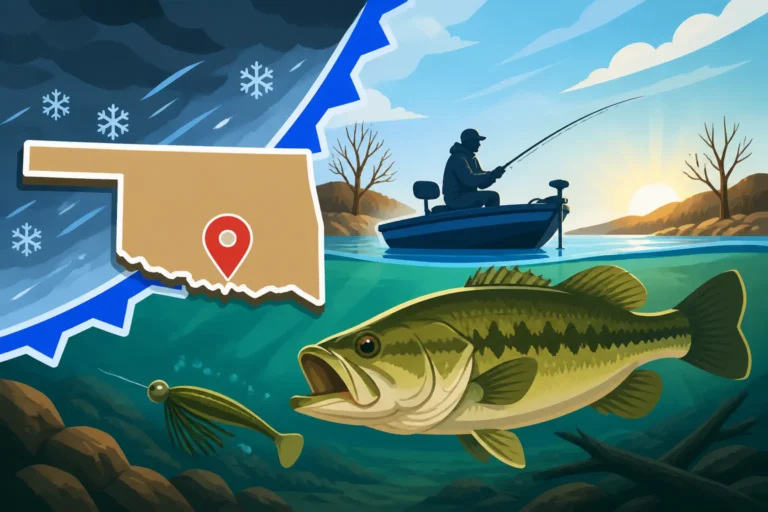
Oh, spring fishing in Oklahoma – it’s a beautiful thing, but boy, can it be frustrating! One day the bass are shallow and aggressive, the next a cold front rolls through, and they completely vanish. It’s like they have a secret meeting to decide how to mess with us. If you’ve ever stood on the bank or deck of your boat, staring at your tackle box overflowing with lures, wondering which one will actually entice a bite, you’re in the right place. This guide is all about cutting through that confusion, helping you pick the absolute best bass lures for spring fishing in Oklahoma, no matter what Mother Nature throws your way.
Understanding Spring Bass Behavior in Oklahoma Waters
Spring isn't just one "thing" for bass; it's a dynamic, multi-phase period that demands different approaches. To truly master spring bass fishing in Oklahoma, you've got to understand what the fish are up to. Their behavior shifts dramatically from the cold, deep winter haunts to the shallow, warm spawning grounds, and then back again. Knowing these patterns is half the battle won when it comes to lure selection.
Pre-Spawn Aggression and Feeding
This is arguably the most exciting phase of spring bass fishing. As water temperatures begin to climb, usually starting in the low 50s Fahrenheit, bass shake off their winter lethargy. They start moving from deeper wintering holes toward shallower coves, points, and flats. Think of them like hungry teenagers after a growth spurt – they're trying to bulk up for the energy-intensive process of spawning. They'll be actively searching for bigger meals.
During pre-spawn, bass are aggressive. They’re not just looking for food; they’re also starting to establish territories. This is when you can often catch some of the biggest fish of the year. They’re still a bit sluggish in colder water, but as the thermometer ticks up, their metabolism kicks into high gear. They'll stage around transition areas, looking for easy access to both deep water and the emerging shallow cover. Understanding Pre-Spawn Bass Fishing Techniques Explained can really give you an edge.
The Spawn: Protecting Nests and Being Finicky
Once water temperatures consistently hit the mid-to-high 60s, the bass move into the shallows to create and guard their nests. This is the spawning phase, and it’s a whole different ballgame. Bass on beds aren't necessarily "feeding" in the traditional sense; they're protecting their eggs and fry from anything that gets too close. They become highly territorial, and this aggression can be exploited with the right lure presentation.
While they might strike a lure, it’s usually out of irritation or a desire to move the perceived threat away from their bed. This can make them finicky. You might see a huge bass sitting on a bed, but it ignores every cast until you hit just the right spot or present a lure in a particularly annoying way. Cold fronts during this time can send them off the beds temporarily, making them even harder to coax into a bite. Learn more about Spring Bass Spawn Timing in Oklahoma to predict these movements.
Post-Spawn Recovery and Scattered Feeding
After the rigors of spawning, both male and female bass are exhausted. The females, having expended massive amounts of energy laying eggs, are particularly depleted. They'll often move to slightly deeper, nearby cover to recover, feeding opportunistically but not with the same fervor as pre-spawn. Males will typically stay on the beds a bit longer, guarding the fry, before eventually moving off to recover themselves.
During post-spawn, bass tend to be scattered and less predictable. They might be found around drop-offs, submerged brush piles, or still in shallow cover that provides easy access to deeper water. They're still hungry, but their strikes can be more subtle, and they might prefer smaller, easier meals. Understanding Post-Spawn Bass Fishing Techniques Explained is crucial for success during this trickier period.
Top Lures for Pre-Spawn Bass in Oklahoma
When bass are in their pre-spawn mode, they're often aggressive and looking for substantial meals. This is the time to throw lures that cover water, create a commotion, and mimic fleeing baitfish or crawfish. These baits are designed to elicit reaction strikes, making them incredibly effective as the water warms up.
Crankbaits and Jerkbaits for Hungry Bass
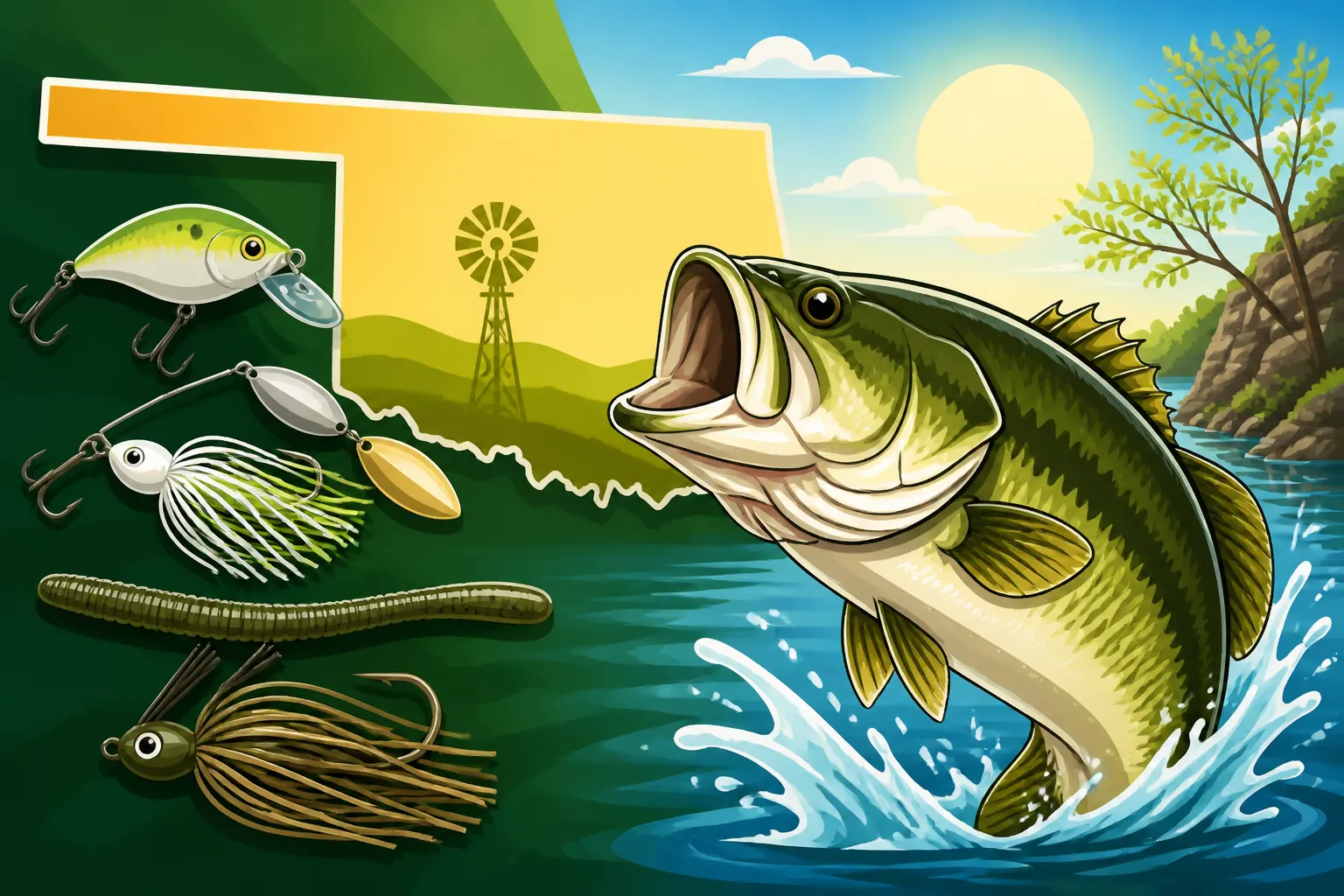
Crankbaits are a staple for pre-spawn because they allow you to quickly cover water and find active fish. Think about lipped crankbaits, especially square bills, that are fantastic for deflecting off shallow cover like stumps, rocks, and laydowns. The deflection often triggers an instinctive strike. Medium-diving crankbaits are also excellent for probing points and secondary channels where bass might be staging. Colors mimicking crawfish or shad are typically deadly.
Jerkbaits, on the other hand, shine when the water is still on the cooler side (low to mid-50s). Their erratic, darting action perfectly imitates a struggling baitfish, and their suspending quality allows them to hang tantalizingly in the strike zone during pauses. A classic jerkbait like a Lucky Craft Pointer or a Rapala Shadow Rap, worked with a twitch-twitch-pause retrieve, can be irresistible to pre-spawn bass. Experiment with the length of your pauses; sometimes a longer pause is what it takes to get that big bite. You can find a huge variety of these lures on Amazon.
Jigs and Bladed Jigs for Slow Presentations
When bass aren't quite ready to chase down a fast-moving crankbait, jigs are your best friend. Flipping and pitching jigs into heavy cover like submerged brush, laydowns, or around boat docks can be incredibly effective. A football jig, dragged along rocky bottoms or ledges, perfectly mimics a crawfish, which is a prime food source for pre-spawn bass. Pairing them with a soft plastic trailer that adds bulk and action, like a Zoom Super Chunk, can make all the difference. Check out How to Rig a Jig for Bass Fishing for more tips.
Bladed jigs, often called Chatterbaits, combine the flash of a spinnerbait with the bulky profile of a jig. They emit a powerful vibration that bass can feel from a distance, making them superb in stained or muddy water conditions common in many Oklahoma lakes after spring rains. They’re fantastic for covering shallow flats, running parallel to riprap, or working through sparse grass. Don't forget to add a soft plastic paddle tail swimbait or craw trailer to enhance their action and profile.
Spinnerbaits and Swimbaits for Imitating Baitfish
Spinnerbaits have been a spring bass fishing staple for generations, and for good reason. Their flashing blades and pulsing skirt mimic baitfish incredibly well, and they’re incredibly versatile. You can slow-roll them deep, burn them just under the surface, or even "helicopter" them down around vertical cover. They excel in windy conditions or stained water where their flash and vibration can cut through the murk to attract attention. Double-willow blade configurations are great for speed and flash, while Colorado blades offer more thump and lift for slower retrieves.
Paddle tail swimbaits, rigged on a weighted swimbait hook or a jig head, offer a more subtle, realistic baitfish imitation. These are excellent for "matching the hatch" when bass are keying in on specific forage like threadfin shad. You can slow-roll them along points, over submerged grass, or through standing timber. They have a natural swimming action that’s hard for a hungry bass to resist, especially when they're actively feeding. Many anglers stock up on different sizes and colors from Amazon before the season kicks into high gear.
Lures for Spawning and Post-Spawn Bass
As spring progresses into the spawn and then the post-spawn phase, bass behavior changes, and so should your lure selection. While some of the pre-spawn lures can still work, you'll often need more finesse, more targeted presentations, or even a different type of aggression trigger.
Soft Plastics for Bed Fishing and Finesse
When bass are on their beds, protecting their eggs, they often won't chase a fast-moving lure. Instead, they react to something that looks like a threat lingering too close to their nest. This is where soft plastics truly shine. Creature baits, small tubes, and even stick baits like a Yamamoto Senko are perfect for repeatedly casting onto a bed and twitching subtly until the bass bites out of sheer irritation. A Texas rig or a Carolina rig allows for weedless presentation into thick cover near beds. Mastering How to Fish a Texas Rig for Bass can really elevate your bed fishing game.
For post-spawn bass, when they're a bit lethargic and scattered, finesse presentations become incredibly important. Wacky rigs and Neko rigs, often just a soft plastic stick bait hooked through the middle, provide a tantalizing, slow fall that can entice bites from finicky fish. These are excellent for pitching around docks, boat slips, or sparse brush where bass are recovering. They don't generate a lot of commotion, but their natural action is often all it takes.
Topwater and Frogs for Aggressive Post-Spawn Bites
Once the water warms up consistently, usually into the 70s, post-spawn bass can become incredibly aggressive, especially during low-light conditions. This is when topwater fishing truly explodes! Poppers, walking baits (like a Heddon Super Spook or a Zara Spook), and prop baits can generate some of the most exciting strikes in all of bass fishing. Work them over shallow flats, along weed lines, or near standing timber in the early morning or late evening. The explosion of a bass on a topwater lure is something every angler lives for.
For fishing in heavy cover – think matted grass, lily pads, or dense aquatic vegetation – soft plastic frogs and toads are absolutely unbeatable. Lures like the Zoom Horny Toad can be retrieved right over the top of seemingly impenetrable cover, and when a bass blows up on it, it’s an experience you won’t soon forget. These are typically rigged weedless with a wide-gap hook, allowing you to pull fish out of the thickest cover.
Finesse Presentations for Challenging Conditions
Sometimes, even in spring, bass can be incredibly challenging. Maybe a cold front has dropped the water temperature, or there's been heavy fishing pressure. This is when finesse techniques become invaluable. The drop shot rig, which presents a small soft plastic bait suspended above a lead weight, is fantastic for targeting deep, suspended post-spawn bass that are hesitant to chase. It allows for incredibly subtle movements and keeps the bait in the strike zone longer.
The Ned Rig, a relatively simple setup consisting of a small mushroom-head jig and a short, buoyant soft plastic, is another finesse powerhouse. It’s perfect for highly pressured waters or when bass are just plain finicky. Its upright posture on the bottom and subtle action can trigger bites when nothing else will. These smaller, less intrusive presentations can be the key to salvaging a tough fishing day, especially when the fish are concentrated in specific, hard-to-reach spots.
Matching Lures to Oklahoma's Spring Conditions
Oklahoma is a diverse state with a wide variety of lakes and rivers, and conditions can change rapidly in the spring. Being able to adapt your lure choice to these changing factors is what separates a good angler from a great one. Don't just pick a lure; pick the right lure for the current conditions.
Water Temperature and Clarity Considerations
Water temperature is the single biggest factor influencing bass behavior in spring. When the water is colder (low 50s), bass are more sluggish. This calls for slower retrieves, lures that suspend, or baits that can be fished deep and slow, like jigs or jerkbaits with longer pauses. As the water warms (mid-50s to 60s), bass become more active and willing to chase. This is when crankbaits, spinnerbaits, and even some faster soft plastic presentations become highly effective. For more on this, check out How Water Temperature Affects Bass Spawning in Oklahoma.
Water clarity is another huge determinant. In clear lakes like Broken Bow Lake, bass rely heavily on sight. This means more natural lure colors (greens, browns, clear with fleck) and subtle actions are often best. Fluorocarbon line can also be critical here. In stained or muddy lakes, like some areas of Lake Eufaula after heavy rain, bass rely more on their lateral line to feel vibrations. This is when brighter colors (chartreuse, orange, red) and lures with strong vibration and displacement (bladed jigs, spinnerbaits with large Colorado blades) really shine. Don't be afraid to throw something outlandish when the water is chocolate milk!
Forage Base and Presentation Adjustments
Bass in Oklahoma eat a variety of prey, primarily shad and crawfish, but also bluegill, sunfish, and smaller fish. "Matching the hatch" means choosing a lure that closely resembles the local forage in terms of size, shape, and color. If you see shad flicking on the surface, a silver jerkbait or a white spinnerbait is a good bet. If you know crawfish are abundant on rocky banks, a brown or green pumpkin jig is a must-have.
Your presentation also needs to adapt. If bass are actively chasing bait, a faster retrieve with sudden jerks or pauses might be effective. If they're sluggish or tucked into cover, a slower, more methodical presentation that keeps the lure in their strike zone for longer is usually better. This might mean dragging a jig, twitching a worm, or slow-rolling a swimbait. Always experiment with retrieve speeds and pauses until you find what the fish want on that particular day. Remember, sometimes a small adjustment in retrieve can make all the difference.
Here's a quick reference to help you visualize these choices:
| Spring Bass Phase | Key Lure Types | Best Conditions | Examples & Tips |
|---|---|---|---|
| Pre-Spawn | Crankbaits | Water temps 50-60°F, covering water, rocky points | Square bills, medium divers; crawfish or shad patterns. Deflect off structure. |
| Jerkbaits | Water temps 50-58°F, colder fronts, clear water | Suspending models; twitch-pause retrieve. Longer pauses in colder water. | |
| Jigs (Flipping/Football) | All pre-spawn, heavy cover, dragging bottom | Black/blue, green pumpkin; add craw trailers. Slow and methodical. | |
| Bladed Jigs | Stained water, wind, sparse grass, reaction bites | Chartreuse, white; add paddle tail swimbaits for more action. | |
| Spinnerbaits | Wind, stained water, covering flats | Willow or Colorado blades; slow roll or burn. | |
| Spawn | Soft Plastics | On beds, irritating bass | Creature baits, tubes, stick baits; Texas/Carolina rigs. Precise casts. |
| Jigs (Small) | Near beds, deeper staging fish | Smaller profiles, natural colors. | |
| Post-Spawn | Soft Plastics | Recovering bass, scattered, finesse | Wacky rigs, Ned rigs, drop shots; around docks, brush. |
| Topwater Lures | Warmer temps, low light (dawn/dusk), calm water | Poppers, walking baits; over shallow flats, weed lines. | |
| Frogs/Toads | Heavy matted cover, lily pads | Rigged weedless; explosive strikes from aggressive bass. | |
| Swimbaits | Scattered fish, mimicking baitfish | Slow-rolling on weighted hooks; natural colors. |
Remember, fishing is as much an art as it is a science. While these guidelines give you a solid starting point for Oklahoma Bass Fishing: Techniques by Season, don't be afraid to experiment! The bass might be telling you something different on any given day. Good luck out there, and tight lines!
Disclaimer
The information provided in this guide is for general informational purposes only and is not intended as legal advice. Fishing regulations, license requirements, and local conditions can change rapidly. Always consult the latest official Oklahoma Department of Wildlife Conservation (ODWC) regulations and local authorities before fishing. The author and publisher are not responsible for any incidents, accidents, or regulatory violations that may occur.