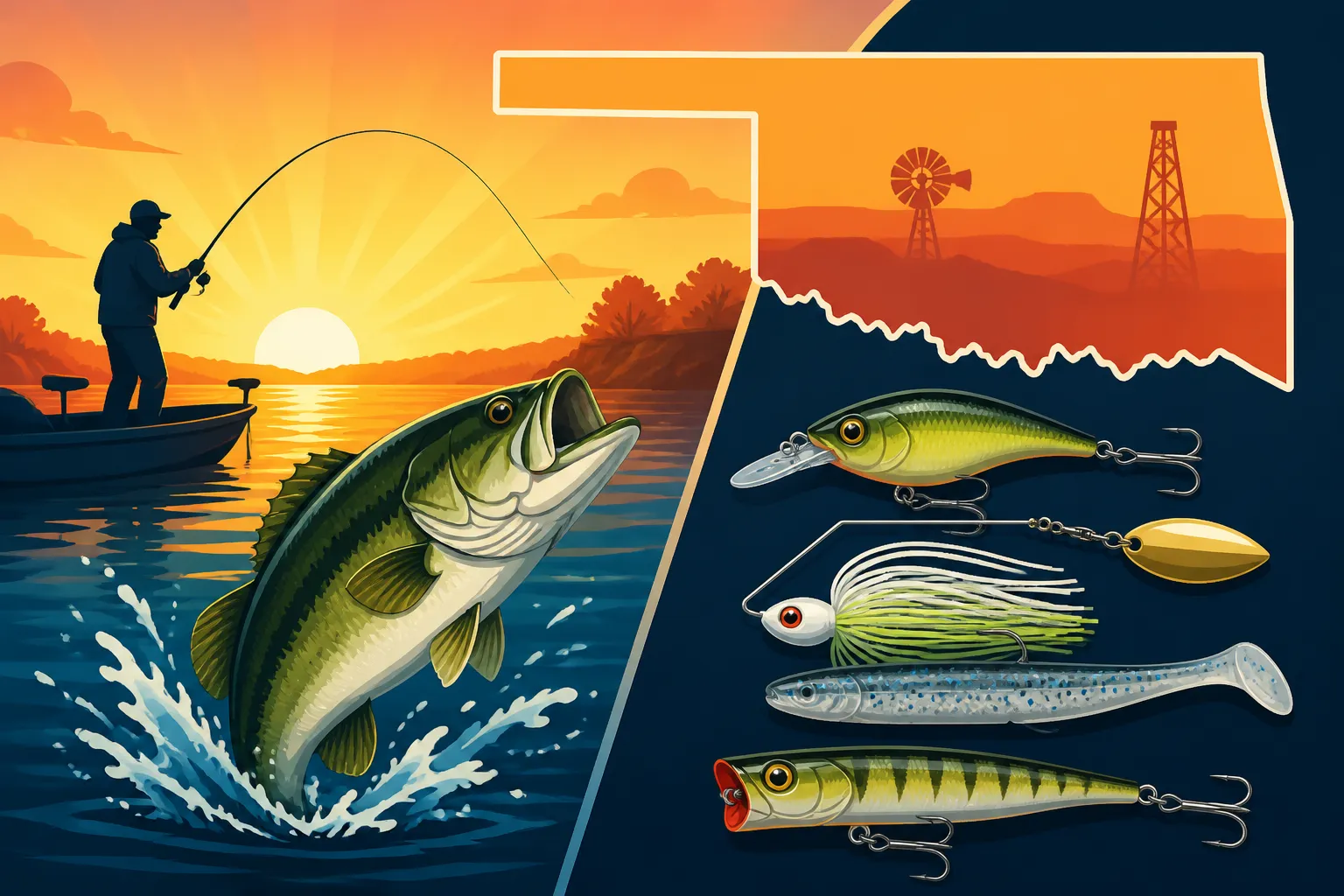
Best Lures for Dawn Fishing
There’s nothing quite like the hopeful chill of a pre-dawn morning by an Oklahoma lake, but it's incredibly frustrating to drag yourself out of bed before the birds are even chirping, only to spend the "magic hour" casting fruitlessly because you’ve got the wrong lure tied on. This guide is all about cutting through that early morning guesswork, helping you understand which lures truly shine as the sun crests the horizon, and why they’re your best bet for a successful dawn fishing trip across our beautiful Sooner State waters.
The Magic Hour: Why Dawn Is Prime Time for Fishing in Oklahoma
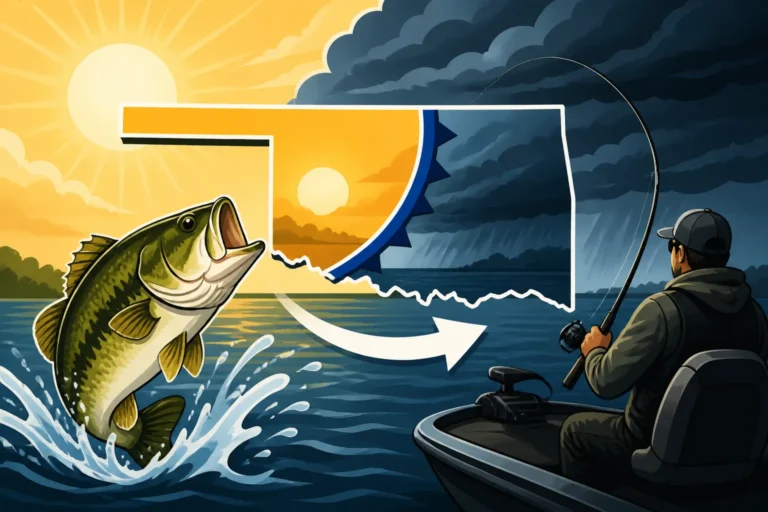
There's a reason seasoned anglers set their alarms before the rooster crows, and it's not just for the peaceful solitude (though that's a huge bonus!). Dawn, often referred to as the "golden hour" or "magic hour," presents a unique set of conditions that make fish incredibly active and more willing to strike. Understanding why this happens is key to choosing the best lures and maximizing your chances.
First off, consider the light. As the first rays of sunlight begin to pierce the darkness, the underwater world undergoes a significant shift. Many predatory fish, like bass and crappie, use low light conditions to their advantage. Their eyes are often better adapted for dim light than those of their prey, giving them an edge. This crepuscular activity means they're actively hunting, moving from deeper, darker haunts into shallower feeding grounds. The sudden change in light, from dark to gradually brighter, triggers a feeding response, as they know their window of opportunity to ambush prey before the harsh midday sun arrives is limited.
Secondly, water temperature plays a crucial role, especially during warmer months. Overnight, the water temperature, particularly in the shallows, cools down. As dawn breaks and the air is still cool, these cooler, more oxygenated waters become far more comfortable for many species. Fish that were sluggish in the warmer daytime temperatures often become reinvigorated and more active. This is especially true for species like striped bass in our larger reservoirs, who will push baitfish to the surface in massive feeding frenzies during these cooler, low-light periods. If you've ever wondered how water temperature affects fish feeding habits, dawn provides a perfect example of this dynamic at play.
Finally, the absence of human activity can't be overstated. Fewer boats, less noise, and generally calmer conditions contribute to fish feeling more secure and less pressured. This means they're often less wary and more aggressive in their pursuit of food. You’ll find them in areas they might avoid later in the day when boat traffic is higher. This combination of prime feeding conditions, comfortable temperatures, and reduced pressure makes dawn an absolutely essential time to be on the water.
Top Lures for Targeting Oklahoma's Favorite Species at Dawn
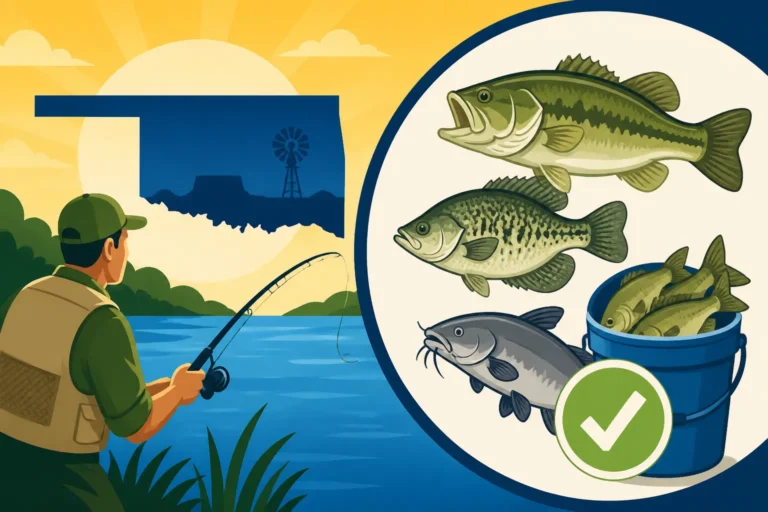
When that first sliver of light appears, you want to be ready with the right tools. Different fish species respond to different presentations, and choosing the perfect lure can make all the difference between a memorable morning and a quiet ride home. Let's break down some of the best lures for Oklahoma's most popular game fish during those crucial dawn hours.
Bass: Topwater, Jerkbaits, and Spinnerbaits
For largemouth, smallmouth, and spotted bass, dawn is arguably the best time to throw topwater lures. The low light obscures your line and allows bass to strike without getting a good look at the bait, relying on sound and silhouette. Nothing gets the heart pumping quite like a blow-up on a topwater lure as the sun rises!
- Topwater Baits (Poppers, Walking Baits, Frogs): Poppers create a disturbance on the surface, mimicking struggling baitfish or insects. Walking baits, like a Zara Spook or a Whopper Plopper, create a commotion and a distinct "walk-the-dog" action that can call bass from a distance. Frogs are fantastic over lily pads and dense vegetation. The key is to cast them into likely ambush points—around submerged timber, brush piles, or weed edges—and work them with short twitches and pauses. The excitement of seeing a bass erupt through the surface on a topwater lure is unparalleled, especially as the world is just waking up. If you're keen on mastering this, check out our guide on How to Fish Topwater Lures for Bass at Dawn. You can find a huge selection of these at retailers like Amazon, making it easy to stock up on different colors and styles.
- Jerkbaits: As the light increases slightly, but before the sun gets too high, suspending jerkbaits can be deadly. These baits dive a few feet and then suspend when paused, perfectly mimicking a dying baitfish. Work them with a "twitch-twitch-pause" retrieve near rocky points, drop-offs, or submerged structure. The pause is critical, as that's often when a hesitant bass will commit. For a deeper dive into seasonal choices, consider exploring Best Bass Lures for Spring Fishing or Best Bass Lures for Summer Fishing as some of these overlap with dawn patterns.
- Spinnerbaits and Chatterbaits: These lures offer vibration and flash, which are excellent for enticing bass in low light or slightly stained water. Their thumping blades create a disturbance that fish can feel and home in on. Cast them parallel to shorelines, through sparse cover, or along channel swings. A slow, steady retrieve is often all it takes to trigger a strike.
Crappie: Jigs and Minnows
Crappie become quite active during dawn, often moving shallower to feed on baitfish and insects.
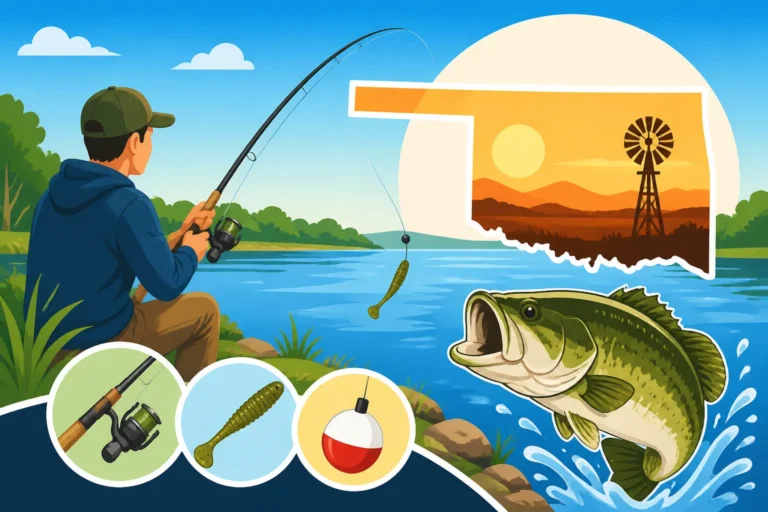
- Small Jigs (Tube Jigs, Grub Jigs): Tiny jigs, typically 1/16 to 1/8 ounce, tipped with a soft plastic grub or tube, are absolute crappie magnets. Colors can vary, but chartreuse, white, and black/chartreuse combinations are often effective in low light. Fish them slowly under a bobber around brush piles, docks, or submerged timber. The key is a slow retrieve, giving crappie time to find and strike the lure. Understanding Best Crappie Jig Colors for Clear Water or Best Crappie Jig Colors for Stained Water can really fine-tune your approach.
- Live Minnows: You simply can't beat a live minnow for crappie, especially at dawn. Hooked lightly through the back or lips and fished under a bobber, they provide natural action and scent that crappie find irresistible. This classic approach is a staple for a reason.
Catfish: Cut Bait and Prepared Baits
While catfish are often nocturnal, the transition into dawn can still be a prime feeding window, especially for blue and channel catfish.
- Cut Bait: Fresh cut bait, such as shad, perch, or even hot dogs (yes, really!), emit a strong scent trail that catfish follow. This is particularly effective as the first light hits. Drop it on the bottom in channels, near submerged structures, or along river bends. For a deeper dive into this, consider our guide on Best Bait for Catfish in Oklahoma Lakes and Rivers.
- Prepared Stink Baits: Many anglers swear by commercially prepared stink baits, especially for channel catfish. These powerful concoctions are designed to attract catfish from a distance with their potent odor. Using a bait holder or sponge hook can help keep the bait on. You can usually find a good variety of these on Amazon.
Striped Bass: Topwater Plugs and Live Bait
Lake Texoma is famous for its striped bass, and dawn is one of the absolute best times to target them, especially during the spring and fall runs.
- Topwater Plugs (Poppers, Pencil Poppers, Spooks): When stripers are chasing baitfish on the surface, nothing beats a large topwater plug. The explosive strikes are legendary. Look for schooling activity or birds diving, which often indicate stripers pushing bait to the surface. Cast into the frenzy and hang on! Many anglers find their favorite striper plugs on Amazon, ensuring they have the right size and color for the conditions.
- Live Shad: For more consistent results, especially when stripers aren't boiling on the surface, live shad fished on a Carolina rig or under a balloon are incredibly effective. Drifting these baits through known striper haunts at dawn can produce some truly massive fish. We cover this in more detail in Best Live Bait for Striped Bass Fishing.
Choosing the Right Lure: Beyond Just the Sunrise
While the general lure categories above are a great starting point, truly maximizing your dawn fishing success means considering more than just the time of day. Factors like water clarity, weather conditions, and even the type of baitfish present will influence your best lure choice.
Water Clarity and Color
The water's clarity dramatically impacts how fish see and react to your lure.
- Clear Water: In clear waters, fish have excellent visibility. This means your lures should be more natural in appearance. Subtle colors like natural baitfish patterns (shad, sunfish), clear, or translucent options often work best. Smaller profiles can also be more effective, as fish have time to scrutinize larger, bulkier offerings. You might also want to experiment with finesse techniques, as fish are less likely to be fooled by aggressive presentations.
- Stained or Muddy Water: When the water is murky, visibility is low. Here, fish rely more on vibration, sound, and silhouette. Brighter, contrasting colors like chartreuse, orange, or black can be highly visible. Lures that create a lot of vibration, like spinnerbaits, Chatterbaits, or noisy topwater plugs, are excellent choices. Don't be afraid to go with a larger profile either; sometimes a bigger target is easier to find in low visibility.
Weather Conditions and Cloud Cover
The weather conditions at dawn can change daily, and adapting your lure choice is essential.
- Overcast Skies: Cloudy mornings effectively extend the low-light conditions. This means topwater baits and other surface presentations can remain effective for longer into the morning. The diffused light often makes fish feel more comfortable feeding in shallower water.
- Bright and Clear Skies: If the sky is clear and the sun quickly begins to shine brightly, fish may retreat to deeper, darker waters or thicker cover more quickly. In these conditions, you'll want to transition faster from topwater to subsurface lures like jerkbaits, crankbaits, or jigs that can be worked closer to structure or at greater depths. Fish will still be active, but their feeding zone will likely shift downwards. For example, if you're fishing for bass, you might move from a frog over pads to a Texas-rigged worm on the bottom near a submerged log.
Mimicking Local Forage
One of the oldest and most reliable rules in fishing is "match the hatch." This means using lures that imitate the local baitfish or prey items that your target species are feeding on.
- Shad, Minnows, or Crawfish: If you know the lake has a strong population of shad, then silver, white, or chrome-colored lures that mimic shad will be highly effective. If crawfish are abundant, brown, green pumpkin, or red-colored lures that imitate crawfish will work wonders. This applies across species, from bass to crappie to catfish.
- Insects and Frogs: For topwater bass fishing, especially near shorelines with vegetation, lures resembling frogs, cicadas, or other large insects can be incredibly enticing. Pay attention to what's active around the water's edge at dawn—sometimes the simplest observation can lead to a breakthrough. Even a trip to your local bait shop or a quick browse on Amazon for "Oklahoma fishing lures" can give you a clue as to what's popular locally, often because it mimics local forage.
Maximizing Your Dawn Fishing Success with Lures
Getting out there at dawn is a fantastic first step, but a few additional tips can truly elevate your experience and ensure your chosen lures perform their best. It's about combining the right lure with the right technique and the right mindset.
Stealth and Presentation
Dawn is a time of heightened senses for both predator and prey. Your approach can make or break your success.
- Approach Quietly: Whether you're in a boat or bank fishing, try to be as quiet as possible. Fish are often in shallower water at dawn and can easily be spooked by loud noises, sudden movements, or even casting shadows over your target area. Use your trolling motor minimally, paddle softly, or walk carefully along the bank.
- Precise Casting: Accuracy matters. Placing your lure exactly where you think the fish are—tight against cover, into a specific pocket in the lily pads, or along a subtle current break—can be the difference between a strike and an empty retrieve. Practice your casting so you can make those precise presentations even in the low light. When you're using lures designed for specific zones, like those mentioned in Best Lures for Dusk Fishing which share similarities with dawn, precision becomes even more critical.
Vary Your Retrieve
Even with the "best" lure, a monotonous retrieve won't always cut it. Fish are unpredictable, and sometimes they need a little convincing.
- Experiment with Speed and Action: Start with a standard retrieve for your chosen lure, but don't be afraid to mix it up. Try speeding it up, slowing it down, adding pauses, or varying the twitching action. Sometimes a subtle change is all it takes to trigger a strike. For instance, a bass might ignore a steady retrieve but smash a jerkbait after a prolonged pause.
- Listen to the Fish: Pay attention to how fish are reacting (or not reacting). If they're hitting aggressively, keep doing what you're doing. If they're just swatting at the bait or not biting at all, it's time to adjust. This could mean changing your lure color, size, or retrieve. Remember, the goal is to make your lure irresistible, and sometimes that means thinking outside the box.
Always Have Options Ready
The conditions at dawn can change quickly. What works in the first 15 minutes might not work 45 minutes later as the sun gets higher.
- Pre-Tie Multiple Rods: To save valuable time, have several rods rigged with different lures ready to go. For example, one rod with a topwater, another with a jerkbait, and a third with a jig or a soft plastic. This allows you to quickly switch tactics without fumbling with knots in the low light. This is particularly useful if you're trying to figure out if Why Fish Bite Better at Dawn and Dusk is proving true on that particular morning.
- Don't Be Afraid to Change: If a lure isn't producing after 10-15 good casts in prime areas, switch it up. Don't fall into the trap of stubbornly throwing the same lure because it worked last week. The fish's mood and preferences can change daily. Having a well-stocked tackle box, perhaps with lures you’ve ordered from Amazon, will give you the flexibility you need.
Consider Location and Structure
Dawn fishing often concentrates fish around specific types of structure where they can ambush prey.
- Target Transition Zones: Look for areas where deep water meets shallow water, such as points, humps, or channel edges. Fish will often move up from deeper water to feed in the shallows at dawn.
- Focus on Cover: Submerged timber, rock piles, weed lines, docks, and even standing timber are all prime ambush points for predatory fish. Cast your lures close to and through these areas. The cover provides protection and a staging area for feeding fish.
Lure Comparison for Dawn Fishing in Oklahoma
Here’s a quick overview of some top lure choices for dawn fishing, categorized by species and general conditions:
| Species | Water Clarity | Primary Lure Type | Key Characteristics | Best For |
|---|---|---|---|---|
| Bass | Clear/Stained | Topwater Poppers | Surface disturbance, popping sound | Ambush points, calm water, low light |
| Bass | Clear/Stained | Walking Baits | "Walk-the-dog" action, silhouette | Open water, scattered cover, slightly brighter light |
| Bass | Clear/Stained | Jerkbaits | Suspending action, baitfish imitation | Rocky points, drop-offs, post-topwater |
| Bass | Stained | Spinnerbaits | Vibration, flash, noise | Weeds, submerged wood, stained water |
| Crappie | Clear/Stained | Small Jigs | Subtle action, small profile | Brush piles, docks, suspended fish |
| Crappie | Clear/Stained | Live Minnows | Natural action, scent | Any crappie habitat, extremely effective |
| Catfish | Stained | Cut Bait | Strong scent, natural appeal | Bottom fishing, channels, deep holes |
| Catfish | Stained | Stink Bait | Potent odor, attractant | Bottom fishing, slower currents |
| Striped Bass | Open Water | Topwater Plugs | Large profile, noisy, aggressive | Surface boils, schooling baitfish |
| Striped Bass | Open Water | Live Shad | Natural action, proven effectiveness | Drifting, deeper water, non-feeding frenzy |
| Walleye | Clear/Stained | Crankbaits | Deep diving, vibration, baitfish im. | Rocky bottoms, ledges, deeper water |
| Walleye | Clear/Stained | Jigs (tipped) | Vertical presentation, subtle | Structure, cooler temps, deeper slots |
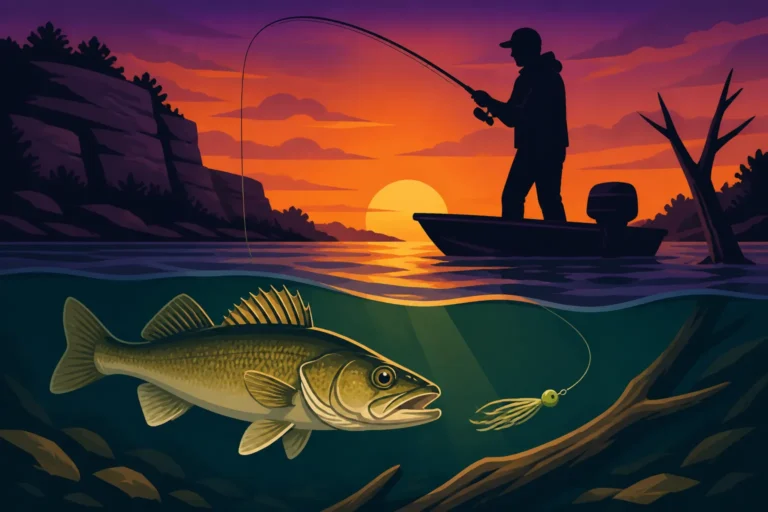
Walleye, though not as widespread as bass or crappie, also offer fantastic dawn opportunities, particularly with crankbaits or jigs fished along rocky bottoms or ledges. You can learn more about specific walleye choices in our Best Walleye Lures for Spring Fishing guide.
Dawn fishing is truly a special experience in Oklahoma, offering not just the beauty of a new day but also some of the most productive fishing hours. By understanding why fish are active and choosing your lures wisely, you'll be well on your way to making the most of every "magic hour" on the water.
Disclaimer
This article is for general informational purposes only and does not constitute professional advice. Laws, prices and regulations vary by location and change over time. Consult a qualified professional for guidance on your specific situation.