How to Fish at Night Safely
There’s a unique allure to fishing under the cloak of night. The world quietens, the air cools, and the fish, sometimes, become incredibly active. But let's be honest, slipping out onto an Oklahoma lake or river when the sun has long gone to bed also presents a whole new set of challenges and potential dangers that we often overlook in our eagerness to catch that nocturnal lunker. This guide is all about helping you navigate those dark waters safely, ensuring your night fishing adventures are memorable for the right reasons, not for an unexpected emergency.
Illuminating Your Path: Essential Lighting for Night Fishing
When you’re out after sunset, your ability to see and be seen becomes paramount. It’s not just about finding your tackle box; it’s about avoiding hazards, identifying your catch, and letting other boaters or bank anglers know you’re there. Don't ever underestimate the importance of reliable illumination when you're exploring Night Fishing Techniques.
Headlamps: Your Hands-Free Beacon
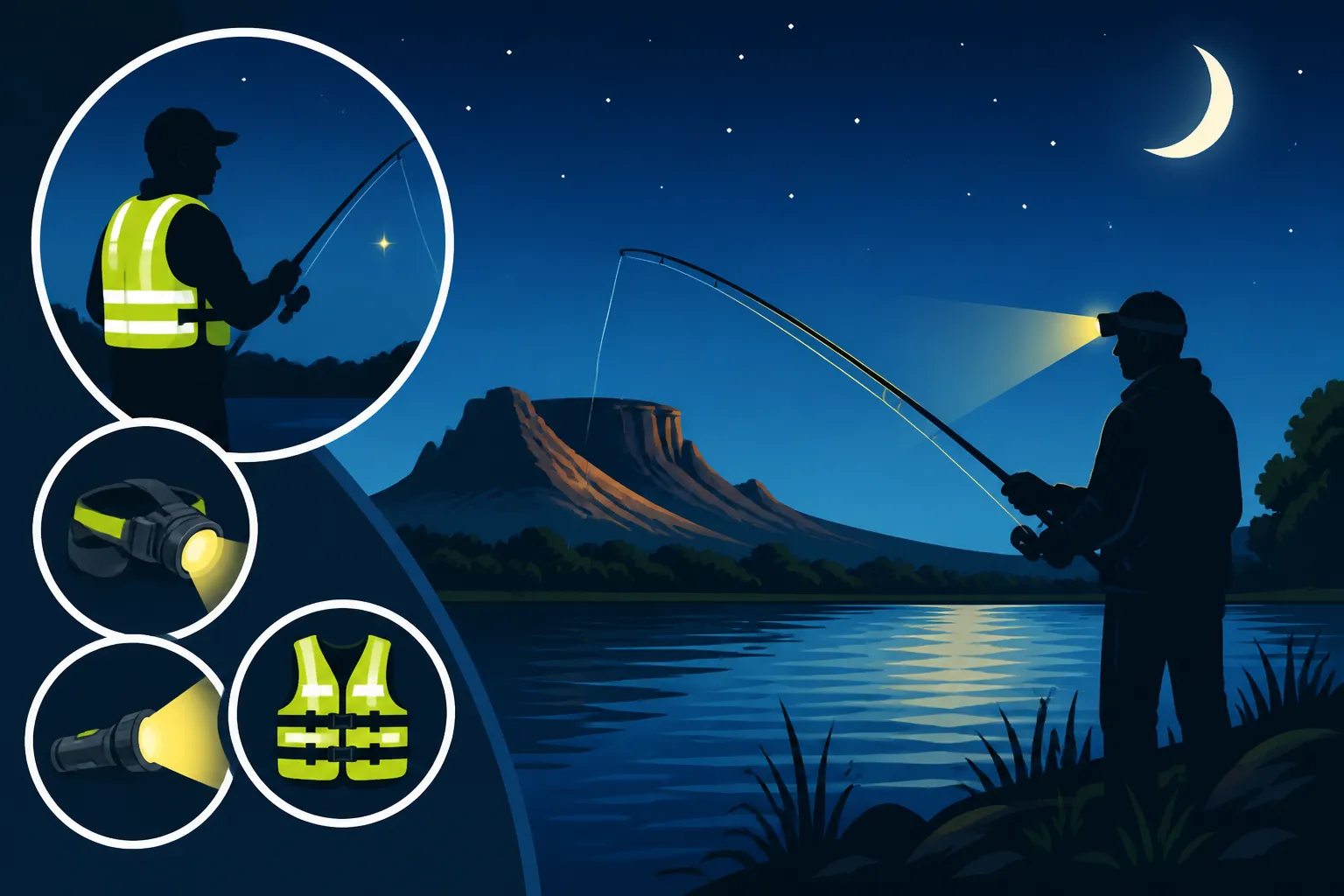
Let’s face it, trying to hold a flashlight in one hand while baiting a hook or untangling a line with the other is a recipe for frustration, if not outright disaster. A good headlamp is probably the single most important piece of gear for any night angler. You want one that’s bright enough to illuminate your immediate workspace and potentially scan the water's edge, but also has a red light option. Why red? Because red light preserves your night vision, meaning when you turn it off, your eyes don't have to readjust to the darkness, which can take several minutes.
Think about a scenario: you've just landed a decent catfish, and it's thrashing on the bank. You need both hands free to safely unhook it. A powerful headlamp allows you to see exactly what you're doing, minimizing the risk of a hook in your finger or a fin spine jab. When you're packing up, a bright beam helps you ensure no valuable gear gets left behind in the gloom. Many excellent, waterproof headlamps are readily available on Amazon, offering different brightness settings and beam types to suit your needs.
Boat and Bank Lighting Considerations
If you’re fishing from a boat, proper navigation lights are not just a recommendation; they're a legal requirement in Oklahoma. Make sure your bow (red and green) and stern (white) lights are in perfect working order before you even consider launching. Beyond legal necessities, consider adding ambient lighting inside your boat – perhaps a few small LED strips or lanterns that provide just enough glow to see without blinding you or attracting every bug in the county. For bank anglers, a sturdy, battery-powered lantern can provide a central source of light for your fishing setup, casting a wider, softer glow than a headlamp alone. This also makes your spot visible to others, which is a crucial part of being safe on the water.
Imagine you're anchored in a quiet cove on Lake Texoma, enjoying the peace of the night. Suddenly, another boat motors past a little too close. If your navigation lights aren't visible, that could lead to a dangerous situation. Similarly, a bank angler with no light on a popular spot near Tenkiller Ferry Lake could easily be a tripping hazard for someone walking by. Always err on the side of being over-illuminated rather than under.
Navigating the Darkness: Water Safety and Awareness
The familiar landscape of your favorite fishing spot transforms completely after dark. What looks like a clear path in daylight can hide unseen obstacles, and the water itself demands extra respect. Staying safe means heightened awareness and adherence to critical safety protocols.
Knowing Your Surroundings, Day and Night
Before you embark on any night fishing trip, it’s absolutely essential to thoroughly scout your chosen location during daylight hours. Pay attention to submerged rocks, stumps, shallow areas, sudden drop-offs, and any other potential hazards that might be invisible once the sun sets. This is especially true if you're exploring Remote and Less-Crowded Fishing Spots in Oklahoma. What seems like a clear shoreline by day can quickly become a maze of unseen roots and uneven terrain under the stars.
If you’re boating, plot your course in advance, noting any navigation markers or landmarks you can use, even dimly lit ones, to guide you in the dark. Relying solely on a GPS can be risky if your battery dies or the signal drops. Having a mental map, reinforced by a daytime reconnaissance, significantly reduces your risk. For bank fishing, identify clear entry and exit points, and be mindful of slippery banks or areas with dense vegetation that could make moving around difficult. Never assume that because you know a spot well during the day, it poses no surprises at night.
Personal Flotation Devices and Communication
This cannot be stressed enough: wear a life jacket. For children 12 and under on Oklahoma boats, it's not just smart, it's the law. But really, when you're fishing at night, it's a wise choice for everyone, regardless of age. Accidents can happen swiftly and silently in the dark. Falling overboard in the cold night water, disoriented and unable to see, is a terrifying prospect. A life jacket buys you precious time and increases your chances of rescue. You can review the specifics on Do Adults Need to Wear a Life Jacket on an Oklahoma Boat? or even Life Jacket Rules for Kids 12 and Under on Oklahoma Boats. Don't be complacent; wear it.
Beyond wearing your PFD, ensure you have reliable means of communication. A fully charged cell phone in a waterproof case is a must. Even better, consider carrying a marine radio, especially if you're on a larger body of water like Grand Lake O' the Cherokees or Lake Eufaula. Let someone know where you're going and when you expect to return. This "float plan" is a simple yet incredibly effective safety measure. Should you encounter an emergency, someone will know to look for you and where. It’s a basic precaution that too many anglers skip, often with regret.
Preparing for the Unexpected: First Aid and Emergency Protocols
Even with the best planning, accidents can happen. A misplaced hook, a slippery rock, or an unexpected boat issue can turn a peaceful night of fishing into a stressful situation. Being prepared for these eventualities is a hallmark of a responsible angler.
Comprehensive First Aid Kit
A basic first aid kit is essential for any fishing trip, but for night fishing, it needs to be even more robust. In the dark, minor cuts can seem worse, and finding supplies can be difficult. Your kit should include antiseptics, various sizes of bandages, pain relievers, allergy medication, and any personal medications you might need. Don't forget a pair of pliers or forceps for hook removal (and know how to use them safely!). Consider also adding a headlamp specifically for the kit, so if your primary one fails or gets wet, you have a backup. A good resource for what to pack might be found in articles discussing Best First Aid Kit for a Fishing Boat.
Imagine you're out on a peaceful evening near Skiatook Lake, and in the excitement of a bite, you accidentally get a treble hook lodged in your hand. In daylight, it’s a pain; at night, it’s a panic waiting to happen. Having a well-stocked and easily accessible first aid kit can turn a potential emergency into a manageable inconvenience, allowing you to treat the injury and, if necessary, safely pack up and head home.
Emergency Response and Contingency Plans
Before you even leave home, think through potential emergencies and how you would respond. What if your boat breaks down? Do you have an anchor, paddles, and a working bilge pump? What if you get lost or disoriented on the bank? Do you have a compass, a map, or a GPS app on your phone? Always have a backup plan for your primary equipment. Carry spare batteries for all your electronics, including your headlamp.
If you are boating, having essential boat safety equipment, as outlined in an Oklahoma Boat Safety Equipment Checklist, is paramount. This includes things like a fire extinguisher, distress signals (flares or a whistle), and a sound-producing device. Remember, help isn't always a quick phone call away, especially in more remote areas. Being self-reliant in an emergency is a key component of night fishing safety. Know basic knots, how to deploy an anchor, and simple troubleshooting for your motor. These skills, practiced in daylight, become invaluable when faced with a crisis under the stars.
Specific Night Fishing Considerations in Oklahoma
Oklahoma offers fantastic night fishing opportunities, especially during the warmer months when species like catfish and crappie are particularly active. But understanding how the local environment affects your night-time adventures is crucial for both success and safety. Many anglers find the information in Summer Night Fishing Techniques in Oklahoma very helpful for these warmer nights.
Understanding Nocturnal Fish Behavior
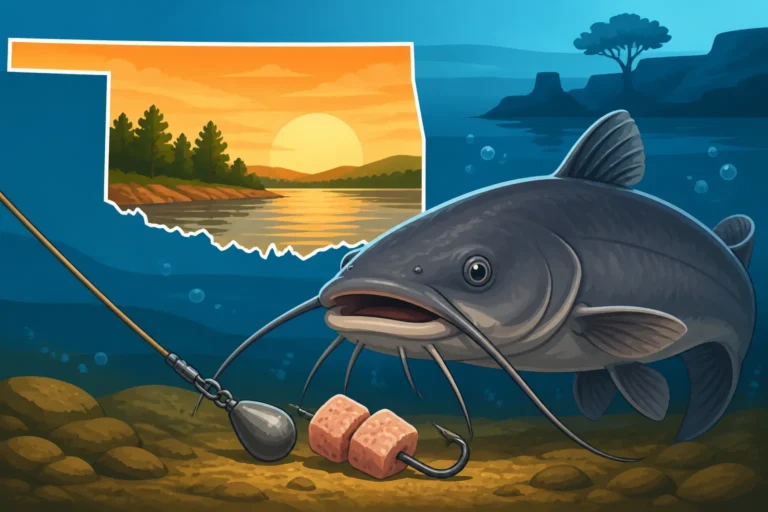
Different fish species have different feeding patterns, and many become much more active after dark. Catfish, especially blues and channels, are renowned nocturnal feeders, relying on their keen sense of smell and touch in murky waters. Crappie also often move into shallower waters or around lighted docks at night, making them a popular target. Knowing these patterns helps you target the right species and be prepared for their specific fighting styles and behaviors in the dark. For example, a blue catfish can put up a tremendous fight, and landing one in low light requires a calm hand and proper technique.
Being aware of the species you're targeting also influences your tackle and bait choices. For instance, when night fishing for crappie, small jigs under lights are often effective. For catfish, stink baits or cut bait on a bottom rig are common. Always check the Oklahoma's Catfish Fishing Rules and Limits or Oklahoma's Statewide Crappie Bag Limit before you head out, as limits and regulations still apply regardless of the time of day you're fishing.
Weather and Environmental Awareness
The weather can change quickly in Oklahoma, and a beautiful evening can turn into a stormy night in a hurry. Always check the forecast before you go, and be prepared for sudden changes in temperature, wind, or precipitation. A light rain jacket, even on a clear night, can be a lifesaver if an unexpected shower rolls through. Cold fronts can also drastically impact fish behavior and angler comfort, so staying updated on how these changes affect the bite is important, as covered in topics like How Cold Fronts Change Fishing Patterns on Oklahoma Lakes.
Furthermore, consider the moon phase. While not a direct safety concern, a full moon can provide a surprising amount of natural light, making navigation and general visibility much easier than on a new moon night. However, clearer skies under a full moon can also mean colder temperatures. Pay attention to insect activity as well; mosquitoes and other biting insects can be relentless at night, so bug spray is an absolute necessity. Being comfortable helps you stay focused and alert, which is a key component of staying safe on the water or bank after dark.
Table: Night Fishing Safety Checklist
To help you prepare for your next nighttime adventure, here’s a quick checklist of essential safety items and considerations.
| Category | Item | Importance | Notes |
|---|---|---|---|
| Personal Safety | Headlamp (with red light option) | Critical for hands-free visibility and night vision | Carry spare batteries |
| Life Jacket (PFD) | Essential for fall-in protection | Wear it, don't just store it! | |
| Warm/Rainproof Clothing | Protection against unexpected weather & cold | Layer up, even on warm evenings | |
| Bug Spray | Protects against insect bites and discomfort | Apply generously before and during your trip | |
| Whistle/Distress Signal | Attracts attention in emergencies | Small, inexpensive, and vital | |
| Navigation/Awareness | Boat Navigation Lights (if applicable) | Legal requirement & crucial for being seen | Check before every trip |
| Ambient Boat/Bank Lights | Improves visibility for tasks and setup | Avoid blindingly bright lights | |
| Charged Cell Phone (waterproof case) | Communication in emergencies | Inform someone of your plans and return time | |
| Marine Radio (if applicable) | Reliable communication on larger waters | Keep it charged and know how to use it | |
| Daytime Scout of Fishing Spot | Identify hazards and clear paths | Essential for new or unfamiliar locations | |
| Emergency Prep | Comprehensive First Aid Kit | Treat injuries quickly and effectively | Include hook removers, antiseptics, pain relief |
| Anchor & Paddles (if boating) | Essential for boat control during breakdown | Ensure they are easily accessible | |
| Spare Batteries/Power Bank | Back-up for all electronics | Especially for headlamps and phones | |
| Knife/Multi-tool | General utility and emergency use | Sharp and easily accessible |
Night fishing in Oklahoma can be an incredibly rewarding experience, offering peaceful solitude and often excellent catches. By prioritizing safety and preparing thoroughly, you can ensure those peaceful moments are truly enjoyable and free from worry.
Disclaimer
This article is for general informational purposes only and does not constitute professional advice. Laws, prices and regulations vary by location and change over time. Consult a qualified professional for guidance on your specific situation.