Bank Fishing Tips for Beginners
So you've been eyeing those beautiful Oklahoma lakes and rivers, dreaming of casting a line, but feeling a bit stuck because you don't have a fancy boat? I totally get it! Many new anglers (and even some seasoned ones) get intimidated, thinking that without a boat, your fishing options are severely limited. But let me tell you, that couldn't be further from the truth. This comprehensive guide is all about empowering you to hit the water, offering practical, no-nonsense bank fishing tips for beginners so you can enjoy the incredible fishing Oklahoma has to offer, right from shore.
Finding Your Perfect Bank Fishing Spot
One of the biggest hurdles for new anglers is simply figuring out where to go if you don't have a boat. It's a common misconception that all the good fish are out in the middle of the lake, unreachable from land. The truth is, many prime fishing locations are perfectly accessible from the bank, and with a little know-how, you can find them.
Overcoming the "No Boat, No Fish" Myth
Let's bust this myth right now: you absolutely do not need a boat to catch fish in Oklahoma! In fact, some of the most consistent catches often come from right along the shoreline, especially in spring and fall when fish move shallower to spawn or feed. Think about it: fish need cover, food, and access to different water depths, and shorelines often provide all of this in abundance. Many of our state's fantastic lakes and rivers are specifically managed with public bank access in mind, making it easy for anyone to enjoy a day of fishing.
Oklahoma's state parks, city lakes, and wildlife management areas offer countless public access points. You might be surprised to find designated fishing piers, rocky shorelines, or even manicured bank fishing areas right in your local community. These spots are often overlooked by boaters zooming past, but they can be goldmines for bank anglers targeting everything from feisty bass to delicious crappie and sturdy catfish. Don't let the lack of a boat stop you; it just means you'll develop a keen eye for shoreline opportunities.
Scouting Productive Shorelines
So, what should you actually look for when you're scouting for a good bank fishing spot? It's all about finding fish habitat. Fish, much like us, appreciate shelter and easy access to food. On a shoreline, this means looking for "structure" – anything that breaks up the uniformity of the bottom or water column. Think about fallen trees, submerged brush piles, rock formations, changes in the shoreline contour like points or coves, or even man-made structures like old docks or bridge pilings. These are all places where fish will congregate.
Before you even leave your house, grab a map – whether it's an old-school paper one or a satellite view on your phone. Look for areas where creeks feed into a lake, or where the contour lines on a depth map suggest a sudden drop-off near shore. Once you're on site, take a moment to observe. Are there birds diving for baitfish? Do you see any splashes or ripples that indicate fish activity? A calm coves on Lake Eufaula might be perfect for crappie, while a rocky point on Tenkiller Ferry Lake could hold smallmouth bass. Don't just cast blindly; read the water, and you'll dramatically increase your chances.
Public Access Points vs. Hidden Gems
Oklahoma offers a fantastic range of bank fishing opportunities. Many of our major lakes, like Lake Texoma, have well-maintained public access points, including fishing piers and easy-to-reach shorelines within state parks or city limits. These spots are great for beginners because they often have amenities like restrooms and picnic areas, making for a comfortable outing. You can often find detailed maps and information about these areas on the Oklahoma Department of Wildlife Conservation (ODWC) website. These popular spots are great to start with, allowing you to build confidence without too much scouting pressure.
However, don't be afraid to venture a little off the beaten path once you feel more comfortable. Sometimes, the less obvious spots – a quiet bend in a river, a small pond tucked away in a wildlife management area, or a public access point that requires a short walk – can offer less crowded conditions and equally, if not more, productive fishing. Always make sure you're on public land or have permission from private landowners. Always prioritize safety, especially in more secluded areas, and let someone know where you're going. Discovering a "hidden gem" is one of the true joys of bank fishing. For instance, Bank Fishing Spots on Lake Texoma often details both popular and quieter spots along the huge shoreline.
Essential Gear for the Bank Angler
One of the great things about bank fishing is that you don't need a truckload of expensive gear. You can start with a very basic setup and still have a fantastic, successful day on the water. The key is to keep it simple, functional, and comfortable.
Rod, Reel, and Line – Keeping it Simple
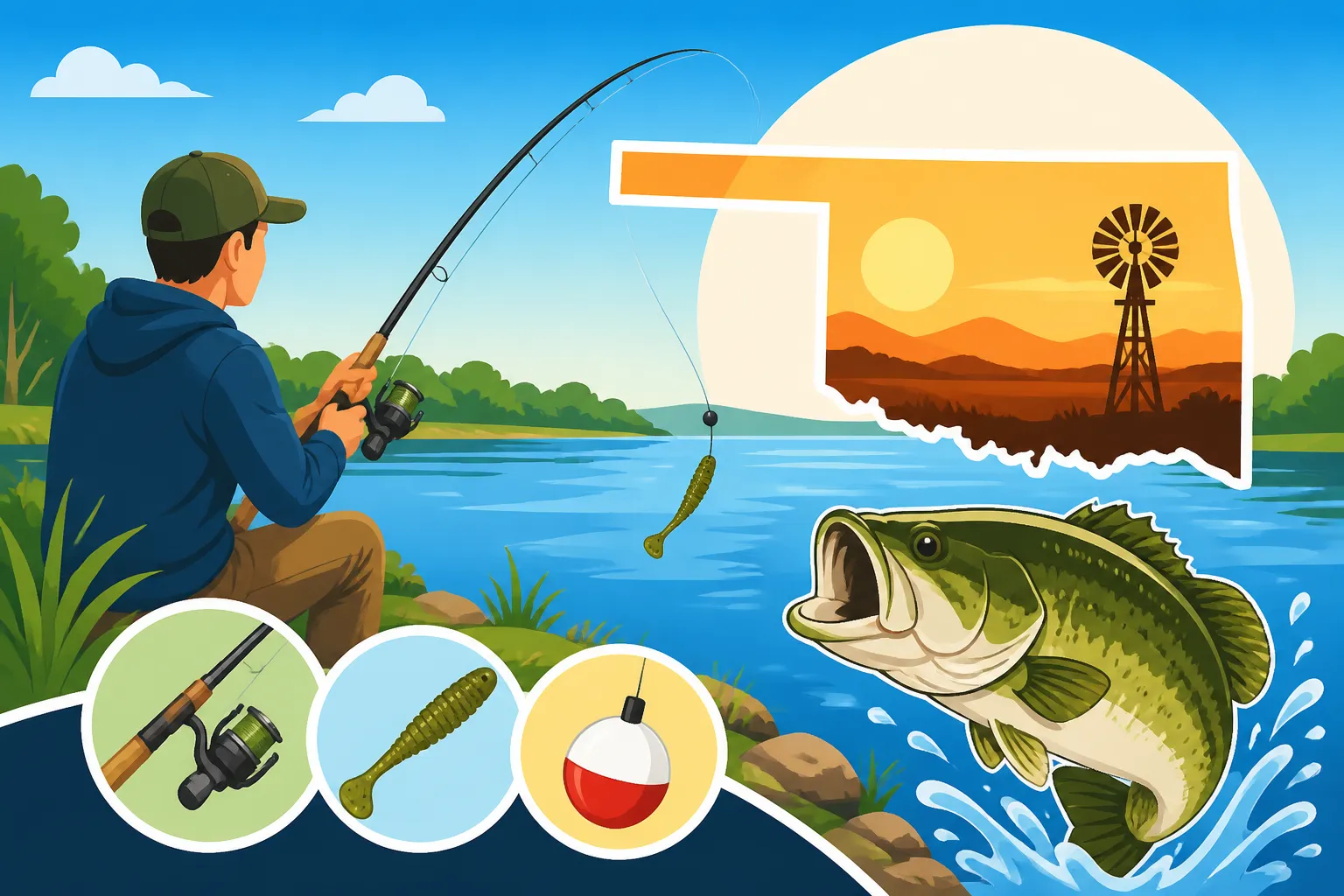
For a beginner bank angler, a spinning rod and reel combo is your best friend. They are incredibly versatile, easy to learn, and forgiving of less-than-perfect casts. I'd recommend a medium-light to medium power rod, about 6 to 7 feet long. This range gives you enough backbone to handle a decent-sized bass or catfish, but enough sensitivity for crappie and bluegill. You can often find a good quality, affordable spinning combo at sporting goods stores or even online at places like Amazon. Look for something that feels comfortable in your hands, not too heavy or too flimsy.
Pair that rod with a spinning reel spooled with 6 to 10-pound monofilament line. Monofilament is fantastic for beginners because it's easy to tie knots with, has a bit of stretch (which helps cushion unexpected jerks from a fish), and is less prone to tangles than some other line types. You don't need anything fancy to start. A simple setup like this can effectively fish a wide variety of species and tackle most bank fishing scenarios you'll encounter. Check out guides like Best Rod and Reel Combo for Crappie Fishing or Best Spinning Reel for Crappie Fishing for more specific recommendations on versatile setups.
Tackle Box Basics – What You Really Need
Resist the urge to buy every lure and gadget you see! For bank fishing, a minimalist tackle box is actually more efficient. Focus on versatile items that will catch a variety of fish. Here’s a basic checklist:
- Hooks: A selection of Aberdeen hooks (sizes #8 to #4 for panfish) and some bait holder hooks (sizes #1 to 2/0 for bass and catfish).
- Sinkers: A variety of split-shot sinkers (small weights that pinch onto your line) and a few egg or bullet sinkers (1/8 to 1/2 ounce) for bottom fishing.
- Bobbers: A few fixed bobbers (the kind that clip onto your line) for shallow water, and maybe a slip bobber for fishing deeper water without having to adjust your line length constantly.
- Swivels: Small barrel swivels (size 10-12) to prevent line twist, especially when using live bait.
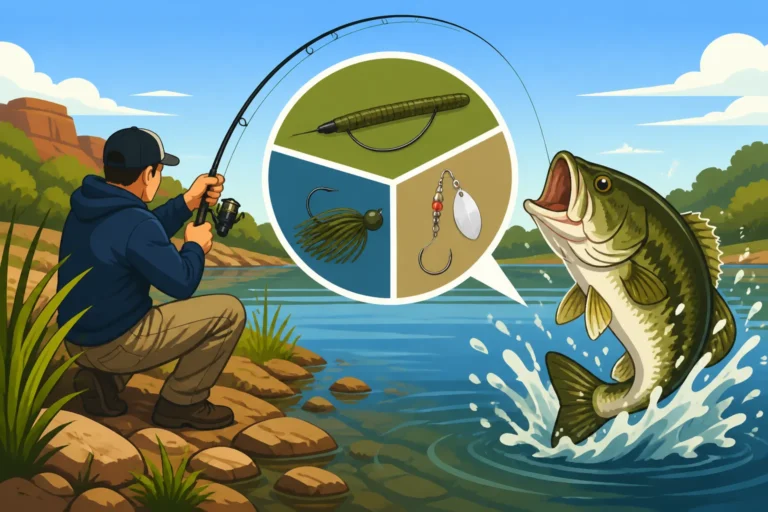
- Lures/Baits: Live worms are universally effective! Small jigs (1/16 to 1/8 oz) with a variety of plastic tails, a couple of small spinnerbaits, and perhaps a pack of soft plastic worms or grubs will get you started. For catfish, some punch bait or cut bait can be highly effective.
- Tools: A small pair of needle-nose pliers (essential for hook removal), line cutters (nail clippers work great!), and a small rag.
You can often find great starter tackle kits on Amazon that provide a good assortment of these essentials, saving you the headache of picking every single item individually. Having a well-organized Best Tackle Box Setup for a Day on the Water will make your trip much more enjoyable.
Comfort and Safety Essentials
Beyond your fishing gear, comfort and safety are paramount for an enjoyable bank fishing trip. You're going to be out in the elements, so be prepared!
- Seating: A lightweight folding chair or even a sturdy 5-gallon bucket (which can double as tackle storage or a livewell for bait) will make a huge difference, especially on longer trips.
- Hydration & Snacks: Always bring plenty of water, especially during Oklahoma's hot summers. A few non-perishable snacks will keep your energy up. A small cooler is perfect for drinks and bait.
- Sun Protection: A wide-brimmed hat, sunscreen, and polarized sunglasses are non-negotiable. The sun reflecting off the water can be intense, and polarized lenses help you see into the water to spot structure or even fish.
- First Aid Kit: A basic kit for minor cuts, scrapes, or hook pokes is always a good idea.
- Bug Repellent: Oklahoma summers are beautiful, but the mosquitos and gnats can be fierce, especially around dawn and dusk.
- Proper Footwear: Wear comfortable, closed-toe shoes with good grip. You might be walking on uneven terrain, slippery banks, or through mud.
- Knife/Multi-tool: Always handy to have for various tasks.
Don't underestimate the importance of these items. Being comfortable and safe allows you to focus on the fishing, which is, after all, why you're out there. A comprehensive Safety Gear Checklist for a Day on an Oklahoma Reservoir covers many of these considerations, even if you're not in a boat.
Mastering Basic Bank Fishing Techniques
Now that you know where to go and what to bring, let's talk about how to actually catch some fish! Bank fishing techniques are often simpler than those used in boats, making them perfect for beginners.
The Art of Bait Presentation
Getting your bait or lure in front of the fish in a natural and enticing way is "the art of bait presentation." For beginners, live bait is often the easiest and most effective way to start. A simple bobber rig is fantastic for bluegill, crappie, and even smaller bass. Just attach a small hook (size #8 to #4) to your line, add a split-shot sinker a few inches above the hook, and then clip on a bobber a foot or two above that. Bait your hook with a live worm or cricket, cast it out, and watch the bobber! When it dips or moves, set the hook! Best Bait for Bluegill in Oklahoma Ponds often highlights how effective simple live bait is.
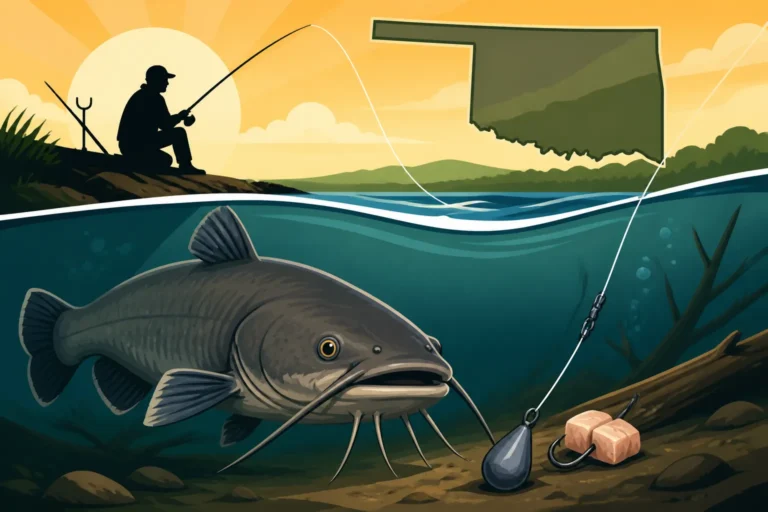
For bottom-dwelling fish like catfish, a simple bottom rig is ideal. Tie on a swivel, then a foot or so of leader line, and then your hook (size #1 to 2/0). Above the swivel, thread an egg sinker onto your main line, which will slide freely. This setup allows the sinker to hold your bait on the bottom while the fish can take the bait without feeling the weight of the sinker. Live worms, small minnows, or cut bait are all great options for this rig. Remember, Best Bait for Crappie Fishing in Oklahoma Reservoirs might differ slightly from Best Cut Bait for Catfish Fishing, so match your bait to your target species. Experimentation is part of the fun!
Reading the Water and Casting Basics
"Reading the water" sounds intimidating, but it just means paying attention to what's going on around you. Look for subtle currents, areas where the wind is pushing baitfish, or changes in water clarity. These visual cues can tell you where fish might be hiding or feeding. Don't be afraid to try different depths or casting to different types of structure.
When it comes to casting, practice makes perfect! The overhead cast is the most common. Hold the rod with your dominant hand, about shoulder height. Bring the rod back over your shoulder, then smoothly snap it forward, releasing the line with your index finger as the rod comes forward. It takes a bit of coordination, but you'll get the hang of it. Start by practicing in an open area without a hook on your line. You can also try a sidearm cast if there are overhead obstructions. The key is a smooth, fluid motion, not brute force. Once your bait or lure is out, practice a slow, steady retrieve if you're using artificials, or just let your live bait do its thing under a bobber. You'll quickly develop a feel for what works. Many productive bank fishing spots like those found in Bank Fishing Access Points on Grand Lake O' the Cherokees are wide open, offering plenty of space to hone your casting skills.
When and How to Fish from the Bank
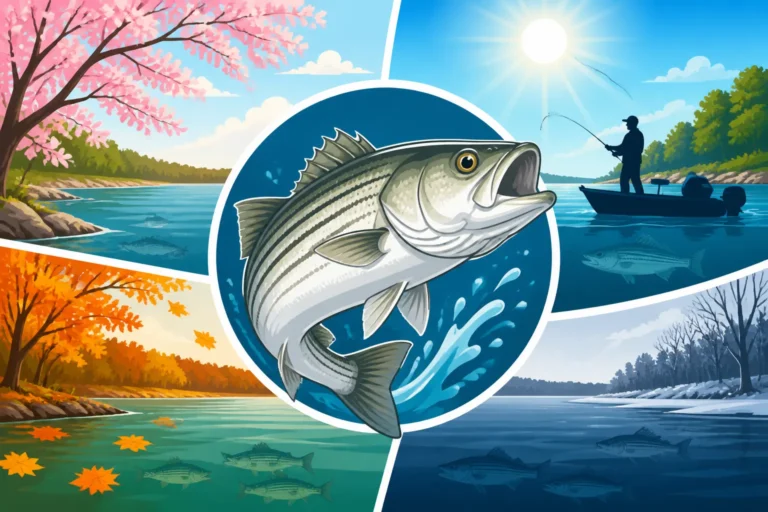
Fish behavior is heavily influenced by time of day and season. Generally, the "golden hours" for fishing are around dawn and dusk, when light levels are lower, and many fish species are actively feeding. On cloudy days, this feeding window can extend longer. During the heat of Oklahoma's summer, fish often retreat to deeper, cooler water during the brightest parts of the day, making early morning, late evening, or even Summer Night Fishing Tips for Oklahoma Reservoirs particularly productive for bank anglers.
Seasonally:
- Spring: Fish move shallow to spawn, making them very accessible from the bank. Bass, crappie, and even catfish will be close to shore, in coves and around cover.
- Summer: Early mornings and evenings are best. Night fishing can be fantastic for catfish. Look for shade or deeper drop-offs near the bank. Best Time of Day to Fish Oklahoma Lakes in Summer often emphasizes these points.
- Fall: Fish are actively feeding to bulk up for winter, often moving into shallower waters again, especially near creek channels or points.
- Winter: Fishing can be tougher, but not impossible. Target sunny, warmer days, and focus on deeper holes or areas with structure that might hold sluggish fish.
Patience is your most valuable tool as a bank angler. You might not catch a fish on every cast, or even every trip. That's okay! Enjoy the peacefulness, the fresh air, and the simple act of being outdoors. The reward of that first bite, when it comes, will be all the sweeter.
Rules, Etiquette, and Enjoying the Experience
Being a responsible angler means understanding the rules and respecting the environment and fellow outdoors enthusiasts. It's not just about catching fish, but about preserving the experience for everyone.
Understanding Oklahoma's Fishing Regulations
Before you even make your first cast, you must have an Oklahoma fishing license, unless you're exempt (like during designated Free Fishing Days in Oklahoma or if you're under a certain age). Fishing without one can lead to fines and legal trouble, which will definitely ruin your day. You can easily purchase a license online through the ODWC website, at sporting goods stores, or even some bait shops. Oklahoma Fishing License Requirements in Oklahoma will give you all the details you need to get started.
Beyond the license, it's crucial to understand basic fishing regulations, including bag limits (how many fish of a certain species you can keep per day) and size limits (minimum or maximum lengths for keeping certain fish). These rules are in place to ensure healthy fish populations for years to come. For instance, there are specific Oklahoma's Bag Limit Rules by Species for bass, crappie, and catfish, and these can even vary from lake to lake. Always consult the current Oklahoma Fishing Guide, available online or at license vendors, to be sure you're compliant. Ignorance of the rules isn't an excuse, and game wardens are out there to enforce them.
Bank Fishing Etiquette and Respecting the Environment
As a bank angler, you're sharing the shoreline with others – other anglers, hikers, picnickers, and even wildlife. Good etiquette is all about being considerate:
- Leave No Trace: This is perhaps the most important rule. Whatever you bring in, take out. This includes old fishing line, bait containers, snack wrappers, and drink cans. A clean shoreline benefits everyone and keeps Oklahoma beautiful.
- Give Space: If another angler is already set up in a spot, give them plenty of room. Don't cast over their lines or crowd their space. A simple nod or polite greeting goes a long way.
- Respect Private Property: Always be aware of property lines. If a sign says "No Trespassing" or "Private Property," respect it. Only fish from public access points unless you have explicit permission.
- Handle Fish Responsibly: If you plan to release a fish, do so quickly and carefully. Minimize its time out of water, handle it with wet hands, and support its body weight. If you're keeping fish, dispatch them humanely and keep them properly cooled to maintain freshness.
- Wildlife: Be mindful of local wildlife. Don't leave hooks or line unattended where birds or animals could get entangled.
Following these simple guidelines ensures a positive experience for everyone and helps maintain access to our precious fishing resources. You might think about rules that still apply during What Still Applies During Oklahoma's Free Fishing Weekend, which often includes many of these etiquette guidelines.
The Joy of Simplicity: Connecting with Nature
Ultimately, bank fishing, especially for beginners, is about embracing the simplicity of the experience. It strips away the complexities of boating, electronics, and specialized gear, bringing you back to the core joy of fishing: the quiet anticipation, the sudden jolt of a bite, and the connection to the natural world around you. There's a certain meditative quality to sitting by the water, listening to the birds, feeling the breeze, and watching the sun rise or set.
It's not always about the biggest fish or the fullest stringer. Sometimes, it's about escaping the daily grind, teaching a child the thrill of their first catch, or simply enjoying a peaceful moment outdoors. Bank fishing is accessible, affordable, and incredibly rewarding. So grab a simple rod, a handful of bait, find a spot on the bank, and immerse yourself in the natural beauty and fantastic fishing opportunities that Oklahoma offers. You'll be hooked in no time!
Disclaimer
This article is for general informational purposes only and does not constitute professional advice. Laws, prices and regulations vary by location and change over time. Consult a qualified professional for guidance on your specific situation.