Where to Find Black Crappie in Oklahoma
Finding black crappie in Oklahoma can feel like a genuine treasure hunt. Many anglers get frustrated, knowing these delicious panfish are out there, but struggling to pinpoint their exact locations, especially with the subtle differences between black and white crappie. This guide is dedicated to helping you unlock the secrets of where to consistently find black crappie in Oklahoma's diverse waters, giving you the insights you need to make your next fishing trip a successful one.
Understanding Black Crappie Habitat Preferences in Oklahoma
Black crappie, much like their white crappie cousins, are fantastic sportfish and even better table fare. However, if you want to target them specifically, it pays to understand that they have some distinct habitat preferences. Ignoring these nuances can lead to a lot of fruitless casting, leaving you wondering why the fish finder isn't lighting up.
The Key Differences Between Black and White Crappie Habitats
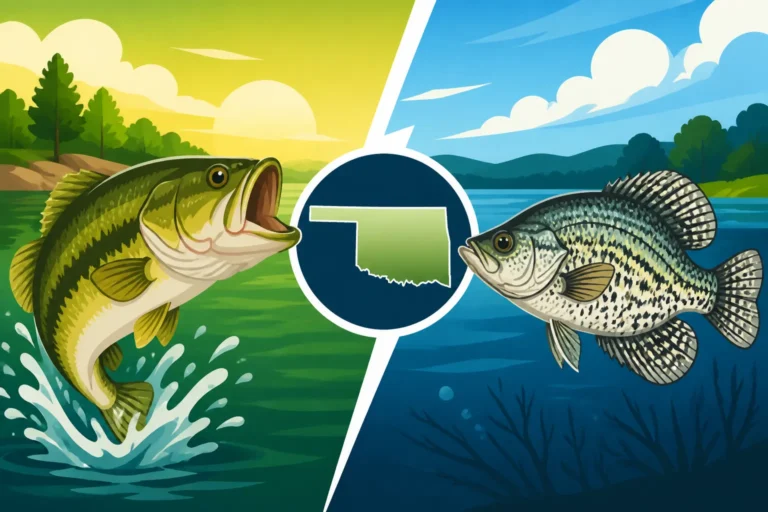
While both black and white crappie coexist in many Oklahoma lakes, they often prefer slightly different environments within the same body of water. Think of it like siblings who share a house but have their favorite rooms. White crappie generally prefer more open, turbid waters, often associating with standing timber, brush piles, or bridge pilings in areas with a bit more current. They're often found in larger rivers or the more turbid sections of big reservoirs.
Black crappie, on the other hand, tend to gravitate towards clearer water, often with abundant submerged vegetation, old stump fields, or dense brush. They are less tolerant of heavy current and will seek out calmer, more protected coves and backwaters. This preference for cleaner, often weedier environments is a crucial clue when you're trying to decide where to drop anchor or make your first cast. If you're on a lake known for clear water and plenty of aquatic plants, you're already in black crappie territory.
Structure is Everything: Docks, Brush Piles, and Timber
Just like finding a good neighborhood for humans, crappie, especially black crappie, absolutely adore structure. This isn't just a preference; it's a matter of survival. Structure provides cover from predators, ambush points for their prey (small baitfish and insects), and protection from harsh sunlight or strong currents. When you're searching for black crappie, you should be actively looking for these underwater havens.
Think about docks and boat houses. These man-made structures provide overhead cover and often have submerged poles, tires, or brush piles intentionally placed by anglers. Old, submerged timber, like flooded trees or stumps from a bygone era, are also prime real estate. These gnarly, irregular features break up the open water and offer countless nooks and crannies for crappie to hide. Of course, natural brush piles – fallen trees along the shoreline or dense aquatic plants – are equally attractive. Many anglers even sink their own brush piles, and if you can locate one of these local honey holes, you're in for a treat. A good sonar unit, easily found on a site like Amazon, can really help in identifying these submerged treasures.
Water Clarity and Vegetation: Why Black Crappie Love It
This is perhaps the most defining characteristic for black crappie. While white crappie can tolerate, and even thrive, in somewhat murky conditions, black crappie have a strong affinity for clearer water. This doesn't mean gin-clear, but definitely not muddy or heavily stained. Clearer water allows them to see their prey better and also provides the conditions necessary for aquatic vegetation to flourish.
Submerged vegetation is a black crappie magnet. Whether it's hydrilla, coontail, or pondweed, these underwater gardens are teeming with life. Small insects, crustaceans, and baitfish hide within the weeds, creating a ready food source for crappie. The vegetation also provides excellent camouflage for the crappie themselves, allowing them to ambush unsuspecting baitfish. When scouting a new area, if you see signs of abundant submerged grass beds, especially in slightly deeper water adjacent to drop-offs or channels, you've likely found a black crappie hotspot. Remember, the healthier the weed bed, the more likely it is to hold fish.
Top Oklahoma Lakes for Black Crappie
Oklahoma is blessed with an abundance of fantastic fishing lakes, and many of them offer superb black crappie opportunities. While black crappie can be found in most reservoirs, some lakes consistently produce higher numbers and larger fish due to their specific characteristics. Knowing which lakes to target can significantly cut down on your search time.
Grand Lake O' the Cherokees: A Crappie Paradise
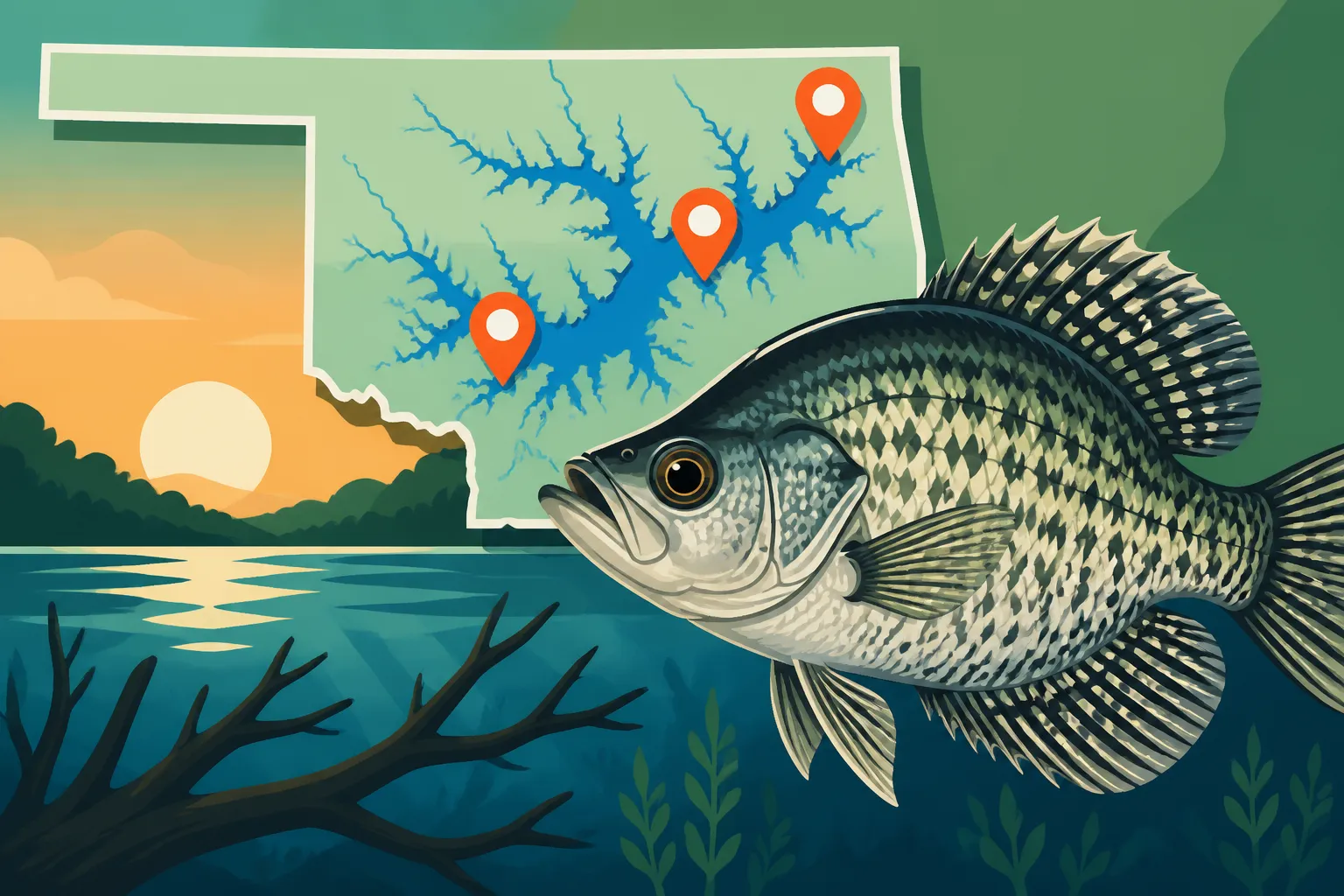
Grand Lake O' the Cherokees, nestled in Northeast Oklahoma, is a legendary fishery, and for good reason. It’s absolutely massive, covering over 46,000 acres, and offers incredibly diverse habitat. While known for its excellent bass fishing, Grand Lake is also a bonanza for crappie anglers, particularly for black crappie. The lake features extensive clear water areas, particularly in its southern and eastern arms, which are perfect for black crappie. You’ll find countless docks, boat houses, and submerged timber, especially in the larger coves and along the main lake points.
The rocky points and deeper creek channels that wind through the lake also provide excellent holding areas. Anglers often find success fishing around the numerous bridge pilings that span the lake, or by targeting brush piles that local anglers have sunk. During the spring, the shallower coves light up with spawning activity, but even in summer, these crappie can be found schooling in deeper water around structure. Grand Lake's size means there’s always a new spot to explore, and its consistent productivity makes it a top choice. Consider reading Grand Lake O' the Cherokees Bass Fishing Guide for more on this incredible fishery.
Lake Eufaula: The Gentle Giant's Hidden Gems
Known as Oklahoma's largest lake, Lake Eufaula is often called the "Gentle Giant." While it can be more turbid in certain arms, especially after heavy rains, Eufaula also boasts vast areas of clearer water that are absolute havens for black crappie. Its sprawling size means endless opportunities to find productive coves, creek channels, and submerged features. Look for black crappie in the clearer, less river-influenced sections of the lake.
The countless brush piles, standing timber, and man-made structures are prime targets. Many of the lake's coves have abundant woody debris and often some natural vegetation along their edges, creating ideal conditions. During the warmer months, black crappie in Eufaula will often move to deeper brush piles or the edges of submerged creek channels. In spring, the shallower flats and protected coves with some woody cover will be packed. The sheer volume of structure and varied depths make Lake Eufaula a fantastic black crappie destination, offering different challenges and rewards throughout the year. For more on this lake, check out Lake Eufaula: Oklahoma's Gentle Giant for Bass and Crappie.
Exploring Other Productive Black Crappie Fisheries
Beyond Grand and Eufaula, Oklahoma offers a wealth of other lakes where black crappie thrive. It's often about finding those pockets of clearer water and abundant cover within any given reservoir.
- Broken Bow Lake: Nestled in the Ouachita Mountains, Broken Bow Lake is famous for its crystal-clear water and stunning scenery. This lake is practically tailor-made for black crappie, with deep, clear waters, submerged timber, and rocky points. Broken Bow Lake Fishing Guide on the Mountain Fork River can provide even more detail on this gem.
- Lake Tenkiller: Another clear-water reservoir in eastern Oklahoma, Tenkiller offers fantastic crappie fishing. Its many bluff walls, submerged cedar trees, and brush piles are key areas to target. The water clarity here is consistently good, which is a major draw for black crappie.
- Lake Arbuckle: Located in south-central Oklahoma, Lake Arbuckle is a smaller, clear-water lake that consistently produces good numbers of black crappie. It's known for its abundant rocky structure and submerged timber. Be aware that some specific rules, like the 10-inch minimum length limit for crappie, are in effect here, so always check the latest regulations. You can learn more about its specific rules in Arbuckle Lake Crappie Rules in Oklahoma.
- Hudson Lake: Another excellent eastern Oklahoma lake, Hudson is a fantastic crappie fishery, often boasting good water clarity, especially in its lower sections. Like other crappie hotspots, you'll find plenty of docks, brush, and timber to explore.
Here's a quick comparison of some prime black crappie lakes:
| Lake Name | General Water Clarity | Key Black Crappie Features | Popular Techniques |
|---|---|---|---|
| Grand Lake O' the Cherokees | Clear to Stained | Docks, brush piles, bridge pilings, submerged timber | Jigging, spider rigging, trolling |
| Lake Eufaula | Stained to Clear | Extensive brush piles, standing timber, creek channels | Jigging, minnow fishing, trolling |
| Broken Bow Lake | Very Clear | Deep timber, rocky points, bluff walls | Vertical jigging, small crankbaits |
| Lake Tenkiller | Clear | Bluff walls, submerged cedar trees, brush piles | Jigging, minnow fishing around structure |
| Lake Arbuckle | Clear | Rocky structure, submerged timber, defined ledges | Vertical jigging, tightlining with minnows |
| Hudson Lake | Clear to Stained | Docks, brush piles, standing timber in coves | Jigging, casting small cranks |
Seasonal Movements and How to Adapt Your Search
Understanding where black crappie live is only half the battle; knowing when they’ll be there is crucial. Crappie are creatures of habit, and their movements are largely dictated by water temperature and the changing seasons. Adapting your search pattern to these seasonal shifts will significantly increase your catch rate.
Springtime Spawns: Shallow Water Bonanza
Spring is arguably the most exciting time to target black crappie. As water temperatures climb into the 50s and 60s (Fahrenheit), crappie move from their deeper wintering grounds to shallow waters to spawn. This is when they become most accessible to bank anglers and boaters alike. Look for them in protected coves, shallow flats, and areas with abundant brush, submerged grass, or old stump fields. They prefer areas that warm up quickly and offer plenty of cover for depositing eggs.
During the spawn, black crappie are aggressive and will readily hit small jigs or live minnows presented near their bedding areas. You'll often find them just a few feet deep, sometimes even in less than two feet of water. Focus on north-facing banks or shallow, dark-bottomed areas that absorb sunlight. This is a fantastic time for sight fishing if the water is clear enough. Keep in mind that crappie will often stage in slightly deeper water nearby before moving onto the beds, so check transition areas as well. Remember, patience is key, and covering water slowly but thoroughly will pay off. Spring Bass Spawn Timing in Oklahoma offers insights into how temperature affects fish activity, which can be applied to crappie too.
Summer Deeps: Finding Crappie When It Heats Up
Once the spring spawn is over and water temperatures really begin to soar, black crappie will transition to deeper, cooler waters. This can be a challenging time for anglers who are used to the shallow bite. During summer, crappie will often suspend in the water column or relate to deeper structure near the thermocline (the layer where warm surface water meets cooler deep water). Look for them around main lake points, submerged humps, deep brush piles, and the edges of creek channels.
They'll often be found at depths ranging from 10 to 25 feet, sometimes even deeper on very large reservoirs. This is where your electronics, like a good fish finder, become indispensable. You’ll be looking for schools of baitfish and those tell-tale arches that indicate crappie. Vertical jigging directly over these submerged structures, or slow trolling with small crankbaits or jigs, are excellent techniques for summer crappie. Don't be afraid to experiment with different depths until you find where the fish are holding. Summer Night Fishing Techniques in Oklahoma can also be relevant as night fishing can be very effective for crappie in warmer months.
Fall and Winter: Transitioning to Deeper Structure
As fall approaches and water temperatures begin to cool, crappie become more active again, often mimicking their springtime aggression. They'll start to feed heavily in preparation for winter. During early fall, you might find them returning to shallower depths, especially near baitfish schools that are moving into coves. As the season progresses and the water gets colder, they will gradually move back to their deeper wintering haunts.
In winter, black crappie will typically school up tightly in deep water, often suspending over main lake channels, deep timber, or large brush piles. Finding these schools can be tough, but once you do, you can often catch many fish from a single spot. Vertical jigging with small spoons, jigs, or live minnows is the most effective method for winter crappie. Look for steep bluff walls, deep creek channel bends, and areas with substantial submerged structure. They tend to be less active but will still bite if you present your bait slowly and directly in front of them. It's a game of patience and precision during the colder months. Fall Crappie Fishing Patterns in Oklahoma provides more context for this season.
Gear and Techniques for Pinpointing Black Crappie
Having the right gear and knowing how to use it effectively are paramount when targeting black crappie. These aren't necessarily the hardest fighting fish, but they can be finicky, and precise presentations often make all the difference.
Essential Tools for Locating Crappie
Your success in finding black crappie, especially in larger reservoirs, often hinges on your ability to "see" underwater.
- Fish Finder/Sonar: This is perhaps the most critical piece of equipment for crappie anglers. A good fish finder will allow you to locate submerged brush piles, standing timber, rock piles, and even schools of crappie and baitfish. Features like side imaging or down imaging can be incredibly useful for scanning larger areas and identifying subtle changes in bottom contour. Brands like Garmin and Humminbird offer a range of options, and you can find many models on Amazon.
- Mapping GPS: Integrated with most modern fish finders, a GPS unit with detailed lake maps is invaluable. It allows you to mark waypoints for productive brush piles, channel edges, or any other structure you find. This way, you can easily return to those spots on subsequent trips. You can download and update maps for many Oklahoma lakes.
- Long Rods for Dock Shooting/Spider Rigging: For specific techniques, specialized rods are key. Long, light-action rods (8-12 feet) are excellent for "dock shooting" jigs far under boat docks where crappie often hide. For "spider rigging," where multiple rods are deployed from the front of the boat, similar long rods allow you to present several baits at once, covering a wider area.
Effective Lures and Baits for Black Crappie
Black crappie aren't overly picky, but certain presentations consistently outshine others.
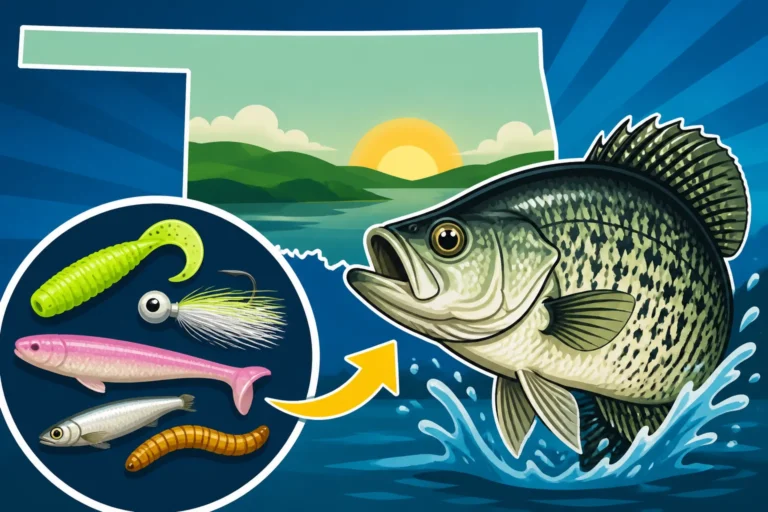
- Live Minnows: The classic crappie bait for a reason. Live minnows, especially small ones (1-2 inches), are irresistible to crappie. You can rig them under a bobber, on a tightline, or even as part of a spider rig setup. Always have a good supply of fresh minnows.
- Small Jigs: Soft plastic jigs, ranging from 1/32 to 1/8 ounce, are incredibly versatile. Colors like chartreuse, white, black/chartreuse, and various shad patterns are perennial favorites. Experiment with different tail actions – curly tails, paddle tails, or tube jigs – to see what the fish prefer on any given day. Tipping a jig with a tiny piece of real minnow can also be a game changer.
- Tiny Crankbaits: While less common for targeting black crappie specifically, small, shallow-diving crankbaits can be effective when trolling or casting around shallower cover, especially in the spring or fall. Look for models designed for panfish.
- Crappie Tubes/Grubs: These small, soft plastic baits are often used with a jig head and mimic small baitfish or insects. They come in a huge array of colors and are very effective when fished slowly around structure. Having a good assortment of sizes and colors from brands available on Amazon can save a tough fishing day. For specific techniques, check out Crappie Jigging Techniques.
The Art of Presenting Your Bait: Vertical Jigging and Trolling
How you present your bait is often as important as the bait itself. Crappie can be subtle biters, especially in colder water.
- Vertical Jigging: This is a highly effective technique, especially when you've pinpointed crappie on your fish finder. Position your boat directly over the fish or structure and drop your bait straight down. Use a very light rod and reel, and impart subtle movements to your jig or minnow. A slow lift-and-drop, or just a slight quiver, is often all it takes. Pay close attention to your line for any slight twitch or slack, as crappie bites can be incredibly light. This method is fantastic for targeting deep schools in winter or summer.
- Spider Rigging: This technique involves deploying multiple rods (sometimes up to eight or ten!) from the front of your boat, often in specialized rod holders. Each rod has a bait (usually a minnow or jig) suspended at a different depth, allowing you to cover a wide area and pinpoint the fish's preferred depth. You then slowly troll the boat, typically with a Minn Kota trolling motor, along creek channels, flat edges, or over brush piles. It's a great way to efficiently search for scattered crappie, particularly in spring and fall.
- Casting to Cover: When targeting shallow black crappie, especially around docks, laydowns, or weed edges, simple casting is highly effective. Use a light spinning outfit with 4-6 pound test line. Cast your jig or minnow rig as close to the cover as possible, allowing it to sink slowly. Work it back with a slow retrieve, pausing often. Sometimes, a short, sharp twitch of the rod tip is enough to entice a bite. This is also where "dock shooting" comes into play, a specialized casting technique that propels a jig far under docks with a slingshot-like motion.
No matter your preferred technique, remember that black crappie can be spooky, especially in clear water. Use light line, make quiet approaches, and pay attention to every little detail. Happy hunting on Oklahoma's beautiful waters!
Disclaimer
This article is for general informational purposes only and does not constitute professional advice. Laws, prices and regulations vary by location and change over time. Consult a qualified professional for guidance on your specific situation.