Are Adults Required to Wear a Life Jacket on an Oklahoma Boat?
It's easy to get confused about boating safety regulations, especially when you're out enjoying Oklahoma's beautiful lakes and rivers. Many adult anglers and recreational boaters wonder if they actually need to wear a life jacket, or if simply having one onboard is enough. This guide will cut through the uncertainty and clearly explain Oklahoma's specific requirements for adult life jacket use on boats, ensuring you stay safe and on the right side of the law.
The Core Rule: Life Jackets Required Onboard for All Adults
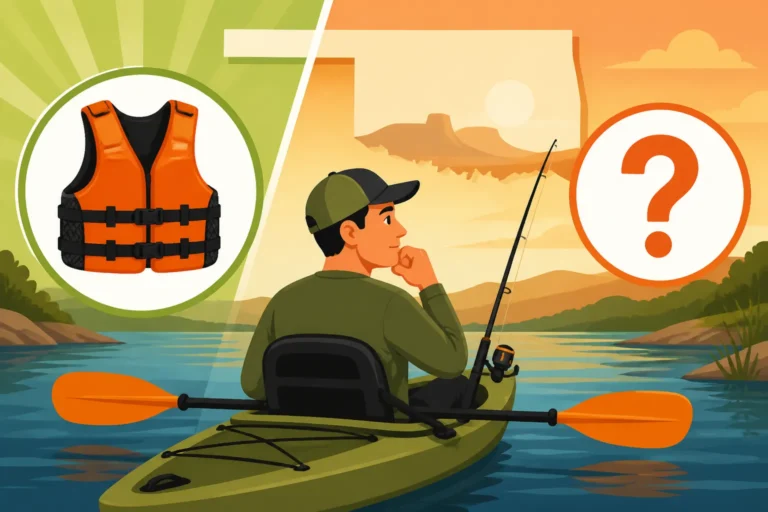
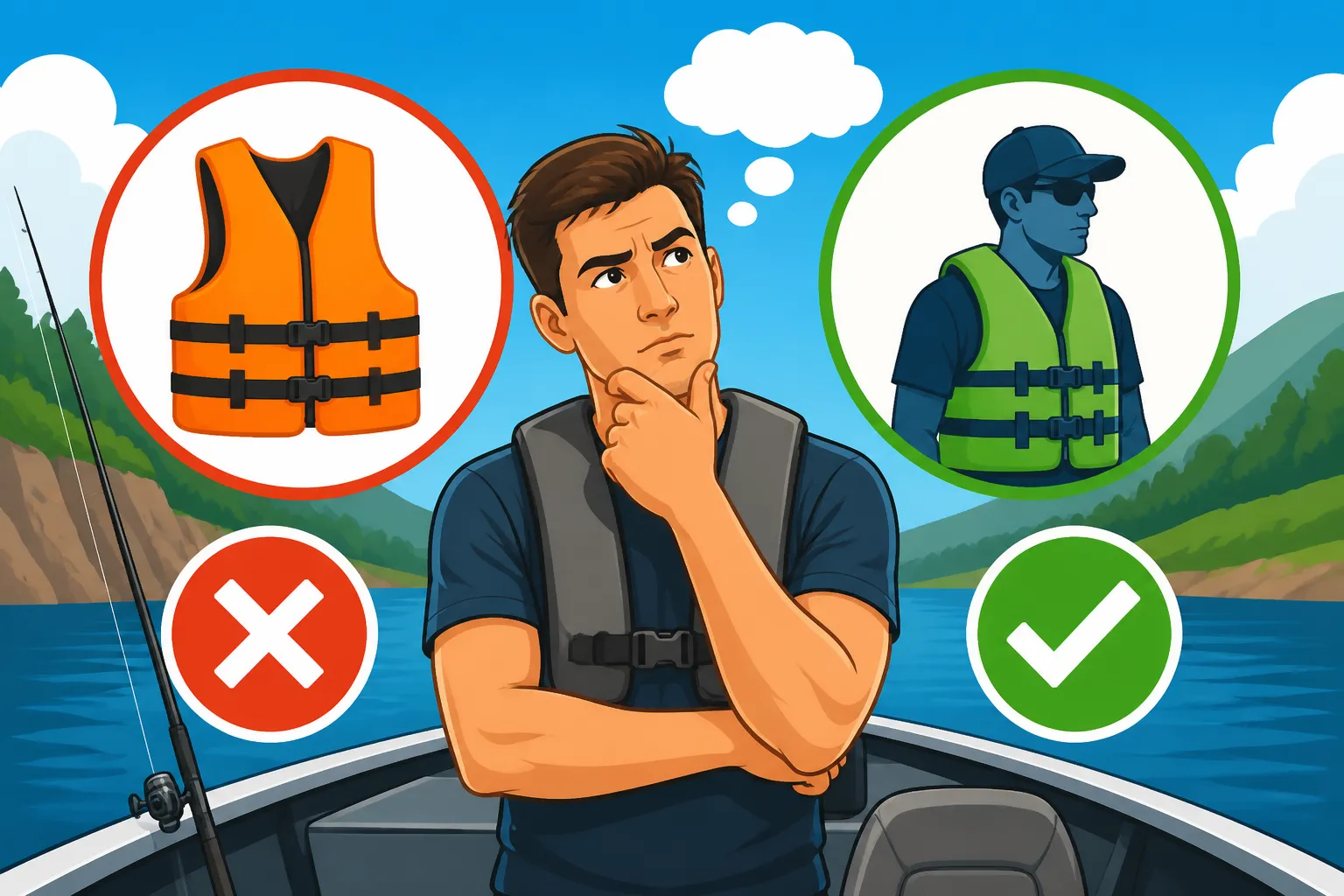
Let's clear up one of the biggest misconceptions right away: while adults aren't always required to wear a life jacket on a boat in Oklahoma, every vessel must have a U.S. Coast Guard-approved Personal Flotation Device (PFD) for every single person on board. This isn't just a suggestion; it's a fundamental safety and legal requirement that applies whether you're cruising on Lake Texoma or casually fishing a smaller pond. Think of it like this: you wouldn't drive a car without seatbelts for everyone, even if they aren't all worn at all times. The PFDs are there for emergency, readily accessible.
Understanding the "Readily Accessible" Requirement
Simply having a life jacket somewhere on the boat isn't enough; they must be "readily accessible." What does that mean in practice? It means that if an emergency happens – a sudden swamping, someone falls overboard, or the boat capsizes – you should be able to grab a life jacket quickly, without any struggle or delay. This isn't a time for digging through a storage compartment packed full of fishing gear or rummaging under a pile of towels.
For example, having a PFD stuffed deep inside a dry bag under the front deck hatch, secured with bungees and covered by a cooler, would likely not be considered "readily accessible" by a game warden. Instead, imagine them placed under seats, in open compartments, or hanging in an easily reachable spot in the cabin. The idea is that in a chaotic moment, anyone on board can instantly reach for one without fumbling. This rule is designed to prevent tragic accidents where PFDs are present but can't be deployed fast enough when things go south. When you're heading out for a day of Best Bass Fishing Lakes Across Oklahoma, ensure your PFDs are exactly where you need them.
Different Types of Life Jackets and Their Uses
Not all PFDs are created equal, and understanding the different types is crucial for both compliance and effective safety. The U.S. Coast Guard classifies PFDs into various types, each designed for specific activities and water conditions.
| PFD Type | Description & Buoyancy | Best Use Case | Key Features |
|---|---|---|---|
| Type I | Offshore Life Jacket (Most buoyant, minimum 22 lbs) | Rough, open, or remote waters where rescue may be delayed. | Turns unconscious wearer face up. Bulky. |
| Type II | Near-Shore Buoyant Vest (Minimum 15.5 lbs) | Calm, inland waters where quick rescue is likely. | May turn unconscious wearer face up. Less bulky than Type I. |
| Type III | Flotation Aid (Minimum 15.5 lbs) | Calm, inland waters; general recreational use, watersports. | Comfortable, allows full range of motion. Wearer must tilt head back to stay face up. |
| Type IV | Throwable Device (Minimum 16.5 lbs) | Supplement to wearable PFDs; for immediate rescue of person overboard. | Ring buoy, boat cushion. Not designed to be worn. |
| Type V | Special Use Device (Minimum 15.5 to 22 lbs) | Specific activities like kayaking, windsurfing, or commercial use. | Must be used according to its label. Inflatable PFDs often fall into this category. |
For most adult anglers and casual boaters on Oklahoma's inland lakes, a Type II or Type III PFD is perfectly acceptable to meet the "onboard" requirement. However, if you're venturing into rougher conditions or need specialized protection, you might consider other types. When purchasing, always look for the U.S. Coast Guard approval stamp. You can find a great selection of these at places like Bass Pro Shops or even online through retailers like Amazon, making it easy to comply.
When Adults Must Wear a Life Jacket in Oklahoma
While the general rule is "have them onboard," there are very specific scenarios where Oklahoma law mandates that adults must wear a life jacket. Ignoring these rules isn't just dangerous; it can lead to significant fines. Penalties for Fishing Without a License in Oklahoma are well known, but boating safety violations carry their own serious consequences.
On Personal Watercraft (PWCs)
This is a big one. If you're operating or riding on a Personal Watercraft (PWC) – think Jet Skis, WaveRunners, Sea-Doos – you are legally required to wear a U.S. Coast Guard-approved life jacket at all times. This rule applies to everyone, regardless of age. PWCs are inherently fast and agile, making falls a common occurrence, and having a PFD on provides immediate flotation and protection. It's a non-negotiable safety measure designed for these types of high-speed recreational activities. Whether you're zipping across Grand Lake O' the Cherokees or exploring the coves of Lake Murray, if you're on a PWC, that life jacket needs to be buckled up.
While Water Skiing, Tubing, or Engaged in Similar Activities
Just like PWCs, any person being towed behind a boat on water skis, a kneeboard, a tube, or any other similar recreational device, must wear a U.S. Coast Guard-approved life jacket. This applies to adults and children alike. The forces involved in being towed, combined with the potential for sudden stops or falls, make wearing a PFD absolutely critical. Imagine a scenario where a skier takes a hard fall and is temporarily disoriented or injured; a life jacket ensures they stay afloat until the boat can circle back to pick them up. This rule is clearly outlined in Why Water Skiers and Tubers Must Wear a Life Jacket in Oklahoma.
Children Under 13 Years Old
While this article focuses on adults, it's vital to mention that Oklahoma law has stricter requirements for children. Any child 12 years of age or younger must wear a U.S. Coast Guard-approved life jacket whenever they are on board any vessel that is underway. This applies unless they are in an enclosed cabin or below deck. As an adult boater, it is your responsibility to ensure that any children on your boat are properly outfitted and wearing their PFDs. This isn't just good parenting; it's the law. For more detailed information, check out Life Jacket Rules for Kids 12 and Under on Oklahoma Boats.
The Importance of Type IV Throwable Devices
For boats 16 feet in length or longer (excluding canoes and kayaks), Oklahoma law also requires at least one Type IV throwable device, such as a ring buoy or a boat cushion, to be immediately available. This device is not designed to be worn, but rather to be thrown to someone who has unexpectedly fallen overboard. Even if everyone on your boat is wearing a PFD, having a throwable device adds an extra layer of safety, especially if someone needs assistance quickly and a wearable PFD isn't readily at hand or if they've somehow become separated from their own PFD. This requirement is distinct from the wearable PFDs but is equally critical for comprehensive boat safety.
Choosing the Right Life Jacket: Fit and Function
Finding the right life jacket isn't just about meeting the minimum legal requirements; it's about comfort, safety, and practicality. A PFD that fits poorly is either going to be uncomfortable to wear, making you less likely to put it on, or ineffective in an emergency.
Ensuring a Proper Fit for Adults
A life jacket should fit snugly, but not restrictively. Here’s a quick checklist for a good fit:
- Check the Label: First, ensure the life jacket is U.S. Coast Guard-approved and appropriate for your weight and chest size. Different PFDs are rated for different weight ranges.
- Try It On: Put the life jacket on and make sure all zippers, buckles, and straps are fastened.
- Lift Test: With the life jacket securely fastened, ask someone to gently pull up on the shoulders of the PFD. If it rides up over your ears or chin, it's too big. A properly fitting PFD will stay put.
- Comfort and Movement: Sit, stand, and make typical motions you would on a boat. Can you breathe easily? Does it chafe? Can you still fish comfortably? If it feels too tight or bulky, it might discourage you from wearing it when you should.
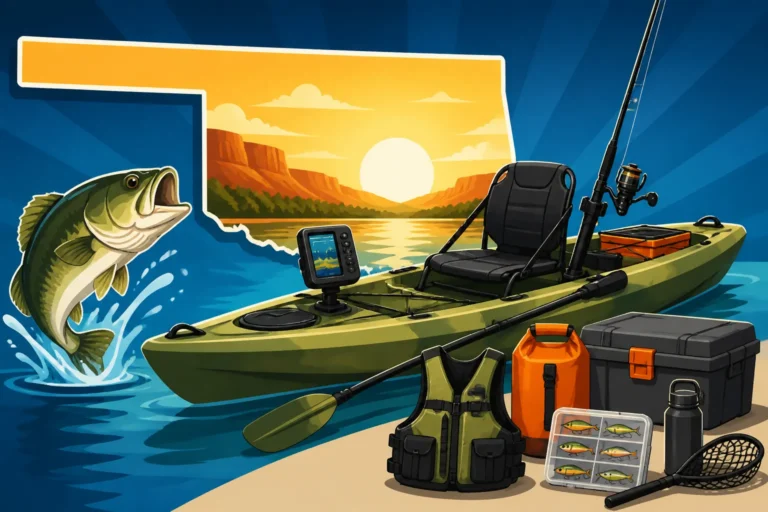
Remember, a life jacket that fits well is a life jacket you'll actually want to wear, increasing your safety dramatically. For specialized activities like kayak fishing, you'll find PFDs designed with larger armholes and pockets for gear, enhancing both safety and convenience. Kayak Fishing Gear Guide for Oklahoma Lakes often highlights these specialized PFDs.
Inflatable PFDs: A Popular Choice for Anglers
Many adult anglers opt for inflatable PFDs, which typically fall under Type V Special Use Devices. These are popular because they are less bulky and more comfortable than traditional foam-filled vests. They come in two main styles: manual inflation (you pull a cord to inflate) and automatic inflation (they inflate upon immersion in water).
While incredibly comfortable, there are a few important considerations for inflatable PFDs:
- Maintenance: They require regular inspection and rearming kits (CO2 cartridges) to ensure they are ready for use.
- Approval: They must be U.S. Coast Guard-approved, and usually, their approval states they must be worn to count as a legal PFD. This means you can't just have an uninflated inflatable PFD stowed away; it needs to be on your person.
- Exclusions: Some inflatable PFDs are not approved for persons under 16 years of age, or for use on PWCs or during watersports. Always read the label carefully!
If you're considering an inflatable PFD for your fishing trips, you can find a good selection and all the necessary rearming kits at places like Bass Pro Shops or through online retailers like Amazon. They're a fantastic choice for comfort, but ensure you understand their specific requirements.
Common Misconceptions and Staying Safe on Oklahoma Waters
There are many myths and misunderstandings floating around about boating safety. Dispelling these can literally be a lifesaver. Beyond just the legal requirements, embracing a culture of safety on the water is paramount.
"I'm a Good Swimmer, I Don't Need One"
This is one of the most dangerous misconceptions out there. Even Olympic-level swimmers can succumb to unexpected situations on the water. Factors like cold water shock, sudden injury from a fall, underwater obstructions, strong currents, or unexpected weather changes can quickly incapacitate even the strongest swimmer. A life jacket isn't just about keeping you afloat if you can't swim; it's about providing immediate buoyancy and thermal protection when the unexpected happens, allowing you to conserve energy and increase your chances of rescue. Oklahoma Boat Safety Equipment Checklist emphasizes other critical items beyond PFDs that are essential for any boating trip.
The Role of Alcohol and Boating Safety
Just like driving, operating a boat under the influence of alcohol or drugs is illegal and incredibly dangerous. Intoxication impairs judgment, slows reaction time, and significantly increases the risk of accidents. It also compromises your ability to swim or even put on a life jacket if you end up in the water. Boating Under the Influence (BUI) laws in Oklahoma are strict, and game wardens are vigilant. Keep the celebratory drinks for after you're safely off the water.
Planning for the Unexpected
Beyond life jackets, a truly safe boating experience involves preparation. Always let someone know your float plan – where you're going, when you expect to return, and who is with you. Monitor weather forecasts closely, especially in Oklahoma where conditions can change rapidly. Have appropriate communication devices (like a marine radio or fully charged cell phone in a waterproof bag) and ensure your boat's navigation lights are in working order if you're planning to be out during low light or at night. Taking a boating safety course can provide invaluable knowledge and skills that go far beyond basic legal requirements. Understanding Oklahoma Fishing Regulations You Need to Know in Oklahoma is just one piece of the puzzle; knowing how to safely operate your vessel is another.
When you head out to chase Oklahoma's Bass Fishing Rules and Limits or try for some Crappie Fishing Rules and Limits in Oklahoma, remember that safety is always the first priority. A life jacket is your most important piece of safety gear, whether you're legally required to wear it or not.
Disclaimer
This article is for general informational purposes only and does not constitute professional advice. Laws, prices and regulations vary by location and change over time. Consult a qualified professional for guidance on your specific situation.