Fall Fishing Patterns on Oklahoma’s Major Reservoirs
As the sweltering heat of an Oklahoma summer finally begins to wane, many anglers find themselves at a bit of a crossroads. That consistent summer pattern you perfected often goes out the window with the first cool front, leaving you wondering where the fish went and how to entice them. This comprehensive guide is here to shed light on the exciting, yet sometimes puzzling, world of fall fishing patterns across Oklahoma's major reservoirs, helping you adapt your strategies for continued success.
Understanding the Autumnal Shift in Oklahoma Reservoirs
Fall fishing in Oklahoma isn't just a slight change from summer; it's a complete shift in the underwater world. The dropping air temperatures trigger a cascade of events that fundamentally alter where fish live, what they eat, and how aggressively they feed. Understanding these environmental cues is your first step to unlocking consistent catches during this dynamic season. It's often considered one of the best times to fish, but only if you know how to read the signs and adjust your approach.
Water Temperature Drops and Turnover
One of the most significant changes in fall is the steady decline in water temperature. As the days shorten and nights get colder, the surface water cools, becoming denser and sinking. This process, known as "turnover," can be a real game-changer for fish behavior. In many reservoirs, the warmer surface water is pushed down, mixing with the colder, less oxygenated water from the deeper sections. This can sometimes stir up sediment and temporarily disorient fish, making them a bit harder to find for a short period. Once the water column stabilizes after turnover, the cooler, more oxygenated water becomes available throughout different depths, allowing fish to range more freely without being confined to a narrow comfort zone. You'll often find that the fish become more active in general, no longer suffering from the summer doldrums of extremely warm water. For more details on how this critical factor affects fish, check out our guide on Water Temperature and Oklahoma Fishing Timing.
This cooling trend doesn't happen overnight; it's a gradual process that continues throughout autumn. Early fall might see water temperatures still in the 70s, while late fall can drop them into the 50s or even 40s. These varying temperature ranges dictate different feeding windows and locations for fish. For example, bass might still be willing to chase topwater baits in early fall, but as temperatures plummet, they'll often retreat to deeper, more stable thermal zones, requiring slower, more subtle presentations. Understanding these nuances is crucial, as what worked on a warm September afternoon might be completely ineffective by late November.
Baitfish Migration and Predation
As the water cools, baitfish — think shad, minnows, and small sunfish — become incredibly active. They sense the impending winter and begin to school up, often migrating from the deeper main lake basins towards shallower coves, creeks, and flats where they can still find abundant plankton and other food sources. This mass movement of forage triggers a predatory frenzy among game fish. Bass, crappie, catfish, and particularly striped bass, know that this is their last chance to gorge themselves before the lean winter months set in. They follow these baitfish schools relentlessly, creating incredible feeding opportunities for anglers.
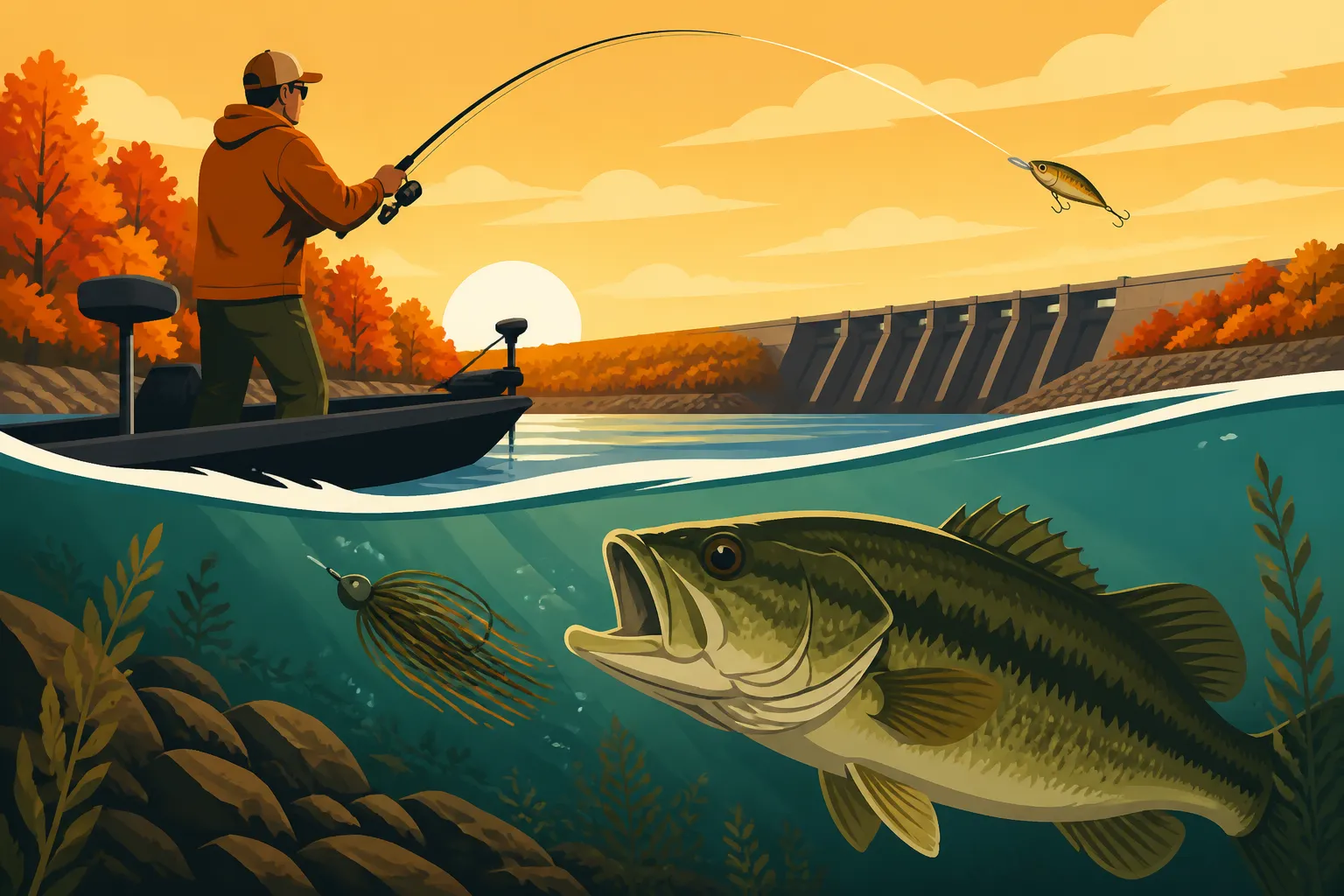
You'll often see these baitfish schools "balling up" near the surface, especially during low light conditions or cloudy days. Watching for diving birds like gulls or herons can be a dead giveaway to the presence of active baitfish, and by extension, active game fish. This intense predation means that lures and baits that mimic distressed or schooling baitfish can be incredibly effective. Consider using shad-colored crankbaits, swimbaits, or even live bait presentations that imitate the natural forage the fish are chasing. The more closely you can match the hatch and present it in the fish's feeding lanes, the better your chances of a banner day.
Key Species and Their Fall Habits
Every fish species reacts differently to the changing conditions of fall. While the general theme is an increase in feeding activity, their preferred locations, depths, and food choices can vary significantly. Knowing what each species is up to will help you tailor your approach for maximum effectiveness on Oklahoma's big water.
Bass (Largemouth, Smallmouth, Spotted) in the Fall
For many bass anglers, fall is hands down the best time to target these aggressive predators. After enduring the summer heat, bass become invigorated by the cooler water and the abundance of baitfish. They often move shallower than their summer haunts, congregating in creek arms, main lake points, and flats where baitfish schools are prevalent. This is sometimes referred to as the "fall feed." The key is to find the bait. Where there's a dense ball of shad, you can bet there are bass close by, looking to ambush them. Our comprehensive guide, Oklahoma Bass Fishing: Techniques by Season, delves even deeper into year-round strategies.
Largemouth bass, in particular, will relate to secondary points, channel swings, and brush piles within those creek arms. They might be a bit more scattered than in their summer deep-water schools, but they're actively hunting. Don't be afraid to cover water quickly with search baits like crankbaits, spinnerbaits, or lipless crankbaits until you locate a productive area. Once you find a few, slow down and work the area thoroughly. Smallmouth and spotted bass, common in clearer reservoirs like Broken Bow Lake or Grand Lake O' the Cherokees, will also feed heavily, often holding tighter to rocky banks, bluffs, and channel edges, again, where baitfish are abundant. A common tactic for these species involves throwing small crankbaits or soft plastic swimbaits on rocky points.
Crappie's Autumnal Feast
Crappie also go through a significant transformation in the fall, making them another fantastic target. Similar to bass, crappie transition from their deeper summer patterns to shallower depths as baitfish push into the creeks and coves. They are often found suspended around brush piles, submerged timber, and bridge pilings in these areas. The cooler water temperatures make them incredibly aggressive, trying to pack on weight for the winter. This is a prime time for both numbers of fish and often larger "slab" crappie. If you want to dive deeper into this topic, our guide on Crappie Fishing Techniques and Seasonal Patterns in Oklahoma is a fantastic resource.
Anglers targeting fall crappie often find success with small jigs, either tipped with a minnow or fished plain. Popular colors include chartreuse, white, and black/chartreuse combinations, especially when mimicking shad. Spider rigging, where multiple rods are deployed from the front of the boat, slowly trolling jigs and minnows, is a highly effective technique for covering water and locating schools. You can also target them vertically over structure you find with your fish finder. Don't overlook dock lights for night fishing in early fall, as crappie will often congregate under the lights to feed on baitfish attracted to the illumination.
Catfish and Striped Bass
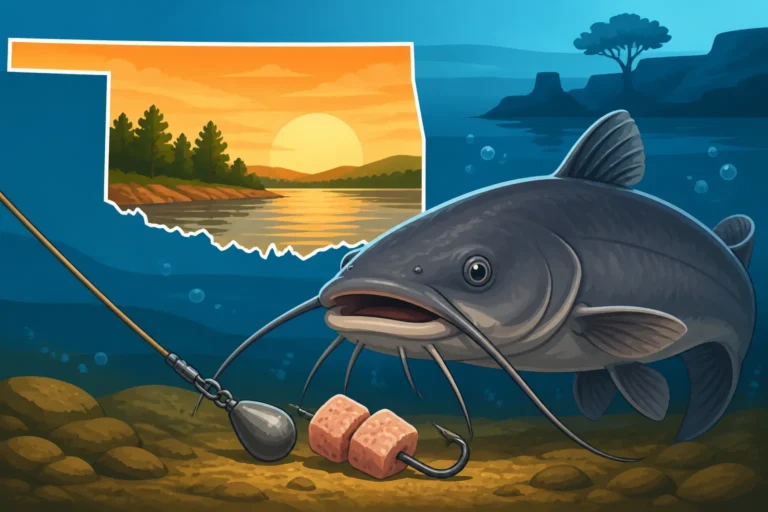
Fall is a fantastic time for catfish, especially blue catfish and channel catfish, as they too are following the migrating baitfish. Big blue cats, in particular, will become very active, chasing schools of shad in the main lake basins and creek channels. Anglers often find success drifting cut bait (like shad or perch) along humps, ledges, and channel swings. You might even find them relatively shallow, prowling flats where baitfish are moving through. Flathead catfish, which typically prefer live bait, will also be feeding actively, often near submerged timber or rocky structure in deeper holes. For more in-depth advice on this, check out our Catfish Fishing Techniques for Oklahoma Anglers article.
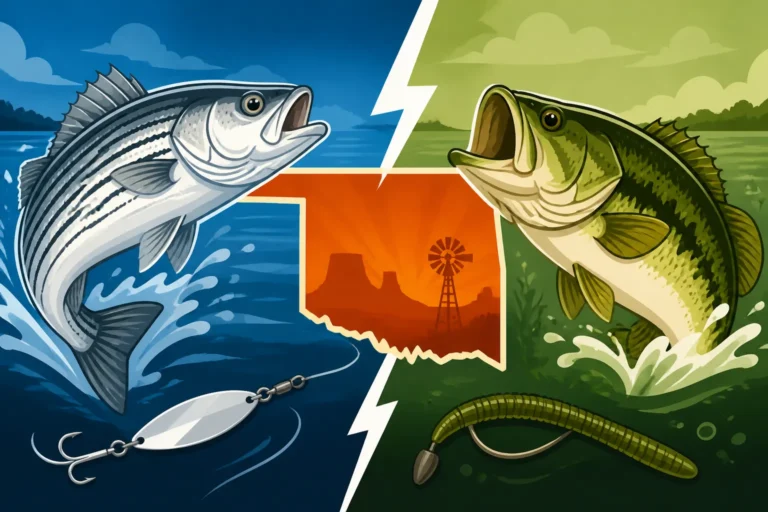
Striped bass, particularly on Lake Texoma, are perhaps the most famous fall species in Oklahoma. These powerful fish follow the massive schools of gizzard shad, often creating incredible topwater boils as they push bait to the surface. Watching for gulls diving and actively feeding is a dead giveaway that the stripers are on the hunt. Early fall sees them highly aggressive, often hitting large topwater plugs, swimbaits, or casting spoons. As the water cools further, they might drop deeper, requiring anglers to troll with umbrella rigs or downlines with live shad. Many anglers flock to Lake Texoma in the fall specifically for this action. Our Striped Bass Fishing Techniques for Oklahoma's Lake Texoma guide offers even more insights into this specific fishery.
Top Techniques for Fall Fishing Success
Successfully navigating fall fishing patterns requires adaptability. You can't just stick to your summer routine; you need to adjust your gear, baits, and presentation to match the fish's current mood and location. This means being prepared to try different things until you crack the code for the day.
Lure and Bait Selection
In the fall, baitfish imitations are king. Since game fish are actively chasing shad and other forage, lures that mimic these prey items are often the most effective.
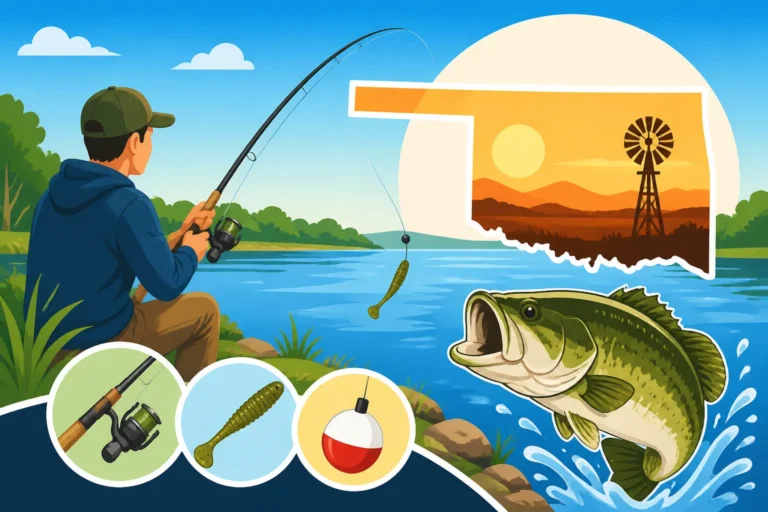
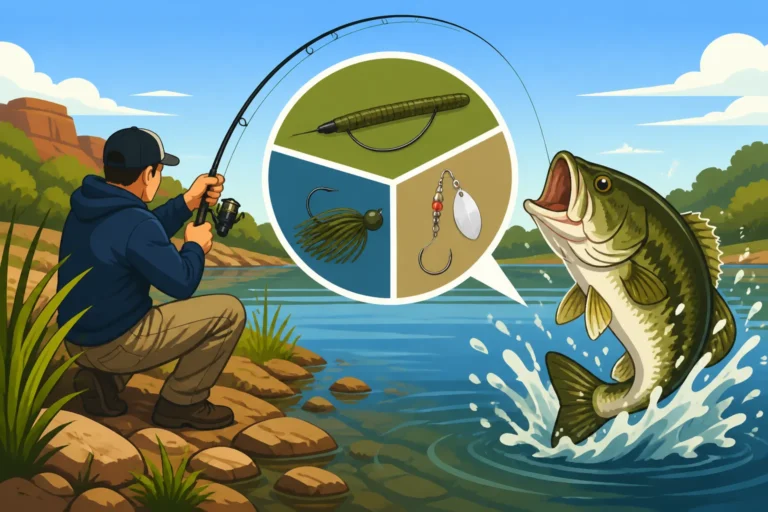
- For Bass: Crankbaits (medium-to-deep diving in shad patterns), lipless crankbaits, spinnerbaits with willow leaf blades (for a shad profile), jigs with craw or creature trailers (especially in cover), and soft plastic swimbaits. Topwater lures can still be excellent in early fall, especially during low light, so keep those walking baits and poppers handy. On a popular online retailer like Amazon, you'll find a wide array of excellent fall bass lures from brands like Strike King, Rapala, and Berkley that are proven performers in Oklahoma. For specific recommendations, our guide on Seasonal Bait Selection for Bass offers a deeper dive.
- For Crappie: Small jigs (1/32 to 1/8 ounce) in chartreuse, white, black/chartreuse, or blue/white. Tipping jigs with minnows or using live minnows under a float are also highly effective. Small crankbaits or soft plastic swimbaits can work when crappie are aggressive and scattered. Looking for good deals on crappie jigs can be a fun scroll on Amazon, where you can often buy in bulk. Don't forget to check out Seasonal Lure Selection for Crappie for more detailed information.
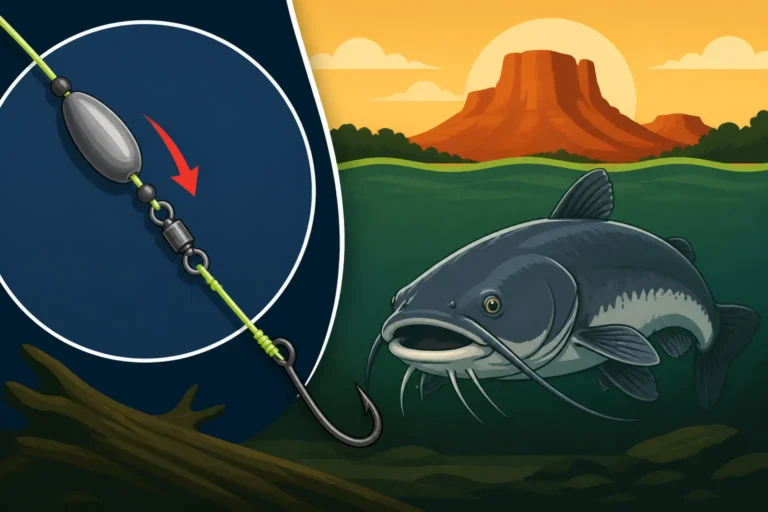
- For Catfish: Fresh cut bait (shad is king), chicken liver, prepared stink baits, or live perch/bluegill for flatheads. Bottom fishing rigs with slip sinkers are standard.
- For Striped Bass: Large topwater plugs, heavy casting spoons (like a Rattle Trap or Sassy Shad), swimbaits, and live shad (either freelined or on downlines) are all excellent choices. Trolling with umbrella rigs or bucktail jigs can also be very productive.
Locating Fall Fish Structure
Finding fish in the fall often comes down to finding the bait. While bass will still relate to traditional structure, their position on that structure will be dictated by the presence of food.
- Creek Channels and Their Intersections: These are highways for baitfish. Look for bass and crappie along the edges of channels, especially where secondary creeks feed into them.
- Main Lake Points: Points that extend into deeper water can act as ambush points for bass and stripers as baitfish move past.
- Flats and Humps: Large, relatively shallow flats (5-15 feet) with access to deeper water can hold massive schools of bait and, consequently, large numbers of game fish. Humps are essentially underwater hills that baitfish will graze on, attracting predators.
- Brush Piles and Submerged Timber: Crappie will often stack up in brush piles in 10-25 feet of water in the backs of creeks and coves. Bass will also use these as ambush points.
- Bluff Walls and Rocky Banks: Smallmouth and spotted bass, as well as some largemouth, will gravitate towards these areas, especially where current or wind pushes baitfish against them.
Using your electronics is paramount in the fall. A good fish finder can help you quickly locate bait balls, identify submerged structure, and even spot individual fish. Don't just motor over these areas; actively scan and look for signs of life. Once you find a promising area, mark it and work it thoroughly.
Navigating Oklahoma's Major Reservoirs in Autumn
Oklahoma is blessed with a plethora of incredible reservoirs, each with its own unique characteristics. While the general fall patterns apply across the board, understanding some lake-specific nuances can give you a significant edge.
Specific Reservoir Considerations
Every major reservoir in Oklahoma offers something special in the fall.
- Lake Texoma: Famous for its incredible striped bass fishery, fall is prime time. Look for stripers on the main lake, chasing shad in open water. But don't forget the excellent fall bass fishing in the numerous creek arms and rocky points. Many anglers planning a trip here consult our Lake Texoma Fishing Guide for Oklahoma Anglers for detailed seasonal advice.
- Lake Eufaula: Oklahoma's largest lake, Eufaula, boasts fantastic fall fishing for bass, crappie, and catfish. The vast creek arms like Gaines Creek and North Fork often load up with baitfish and game fish. Focus on the extensive timber and brush piles for crappie, and the shallow flats and points for bass. Our Lake Eufaula: Oklahoma's Gentle Giant for Bass and Crappie guide has more tailored advice for this magnificent body of water.
- Grand Lake O' the Cherokees: In Northeast Oklahoma, Grand Lake excels for bass, crappie, and catfish in the fall. The extensive docks and brush piles are crappie magnets, while bass will relate to the myriad of main lake points and channel swings. The upper end of the lake, with its river influence, can be particularly productive for catfish following bait. For bass specific tips, you'll want to read the Grand Lake O' the Cherokees Bass Fishing Guide.
- Broken Bow Lake: Known for its clear water and scenic beauty, Broken Bow offers excellent smallmouth and spotted bass fishing in the fall, along with good crappie. Focus on rocky bluffs, steep banks, and deep points. The clearer water might require lighter line and more subtle presentations.
- Keystone Lake: Near Tulsa, Keystone provides great opportunities for white bass, stripers, and catfish, especially in the river arms. The main lake points and humps also hold good numbers of bass and crappie.
- Lake Arbuckle and Tenkiller Ferry Lake: These lakes are known for their stricter 10-inch minimum size limits for crappie, but fall often means larger fish are more active. Focus on brush and timber in the creek arms.
These are just a few examples; nearly every major reservoir in Oklahoma will provide exciting fall fishing if you apply the principles of finding bait and adjusting to the cooling water. Whether you're casting for a trophy or stocking up for a fish fry, the fall bite is hard to beat. If you're looking for general hotspots, our guide to the Best Fishing Spots in Oklahoma can offer some fantastic starting points.
Weather and Water Conditions
Fall weather in Oklahoma can be notoriously unpredictable, ranging from Indian summer days to sudden cold snaps. These weather fronts can drastically impact fish behavior. A sudden cold front pushing through can often shut down the bite for a day or two, making fish lethargic and pushing them deeper. After the front passes and the weather stabilizes, the bite usually resumes, sometimes even stronger. Understanding How Cold Fronts Change Fishing Patterns on Oklahoma Lakes is vital for success.
Water clarity is another factor. Early fall might see clearer water, but heavy rains can quickly muddy up the backs of creeks. While clear water often calls for more natural colors and subtle presentations, muddy water might require brighter, more contrasting colors (like chartreuse or orange) and lures that create more vibration. Always pay attention to recent weather patterns and adjust your tactics accordingly. A little rain often means a renewed bite as long as it isn't a prolonged deluge.
| Species | Preferred Fall Depths | Go-To Baits/Lures | Key Fall Locations |
|---|---|---|---|
| Largemouth Bass | 5-25 feet | Crankbaits, Jigs, Swimbaits | Creek arms, Main Lake Points, Flats |
| Smallmouth Bass | 10-30 feet | Small Crankbaits, Tubes, Jigs | Rocky Bluffs, Ledges, Main Lake Points |
| Crappie | 8-20 feet | Small Jigs, Minnows | Brush piles, Timber, Bridge Pilings |
| Blue/Channel Catfish | 10-40 feet | Cut Bait, Stink Bait | Channel Swings, Humps, Flats |
| Striped Bass | Surface to 40+ feet | Topwater, Spoons, Live Shad | Open Water, Main Lake Points |
| White Bass | Surface to 20 feet | Small Spoons, Jigs, Topwater | Creek Mouths, River Inflows, Open Water |
Disclaimer
Fishing conditions and regulations in Oklahoma can change. Always consult the latest Oklahoma Department of Wildlife Conservation (ODWC) regulations before heading out on the water. This information is intended for general guidance and educational purposes only.