How to Read Water Temperature for Better Fishing in Oklahoma
It's incredibly frustrating, isn't it? You head out to your favorite fishing spot in Oklahoma, the weather feels just right, you've got your lucky hat on, and… nothing. The fish just aren't biting. Often, the hidden culprit isn't your bait, your technique, or even your luck, but something you can't see on the surface: water temperature. This comprehensive guide will equip you with the knowledge and tools to effectively read water temperature, helping you unlock better fishing success across Oklahoma's diverse lakes and rivers.
Why Water Temperature is the Ultimate Fish Finder
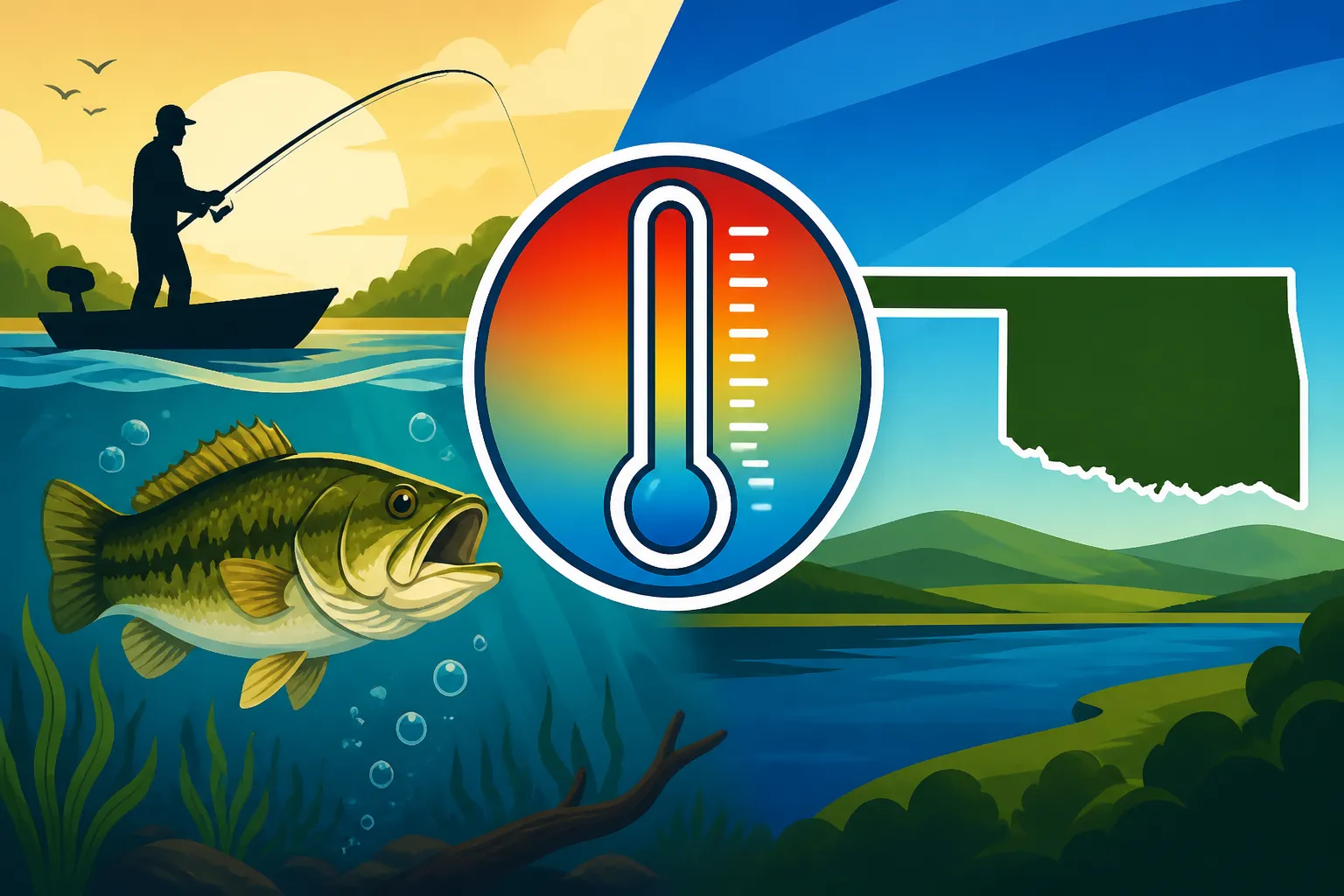
Many anglers focus intently on air temperature or the latest weather report, but for fish, their world is entirely dictated by the water they live in. Water temperature is arguably the single most important environmental factor influencing fish behavior. It impacts everything from their metabolism to where they feed, spawn, and seek shelter. Ignoring it is like trying to navigate a dark room without turning on the lights.
The Metabolism Connection: How Temperature Drives Fish Activity
Think of water temperature as the thermostat for fish metabolism. Fish are cold-blooded, which means their body temperature, and thus their metabolic rate, directly mirrors the water around them. In warmer water, their metabolism speeds up, requiring more food and leading to increased activity. They're more aggressive, more likely to chase lures, and burn through energy faster. Conversely, in colder water, their metabolism slows down dramatically. They become sluggish, need less food, and conserve energy, often hunkering down in deeper, more stable temperatures. This is why you might find that the techniques that work wonders in summer often fall flat in winter; the fish just aren't wired for the same level of activity. Understanding this fundamental principle is key to adapting your approach.
Comfort Zones: Where Fish Seek Refuge
Just like us, fish have comfort zones, and these zones are defined by specific water temperatures. Each species has an optimal temperature range where they thrive – they're most active, feed best, and feel safest. When water temperatures stray too far from this ideal, fish will actively seek out areas that meet their thermal preferences. This might mean moving shallower to warm up in the spring sun, heading deeper to find cooler, more oxygenated water during a scorching summer, or congregating near thermal refuges like power plant discharges in the winter. Knowing these comfort zones helps you predict where the fish will be, not just if they'll be active. Imagine trying to catch a sunbather on a freezing day – it's just not going to happen, and fish operate on a similar, albeit simpler, logic.
Spawning Triggers and Feeding Frenzies
Water temperature doesn't just dictate activity; it's the master switch for some of the most anticipated fishing events of the year. Spawning, for instance, is almost entirely temperature-driven. Largemouth bass typically start bedding when water temperatures consistently hit the mid-60s Fahrenheit. Crappie will move to shallower brush and structure as the water warms into the low 60s for their spawn. Missing these narrow temperature windows means missing out on some of the year's best fishing. Similarly, rapid temperature changes, like a sudden drop after a cold front or a slow, steady warm-up in spring, can trigger intense feeding frenzies as fish instinctively respond to their environment. Learning about Spring Bass Spawn Timing in Oklahoma or Crappie Fishing Techniques and Seasonal Patterns in Oklahoma is futile if you don't first understand the water temperatures that kickstart these behaviors.
Essential Tools for Measuring Water Temperature
You can't rely on guesswork when it comes to water temperature. Luckily, there are several effective tools available, ranging from simple and affordable to high-tech and integrated with your boat's electronics. Each has its place, depending on your fishing style and budget.
Digital Thermometers: Accuracy at Your Fingertips
For most anglers, a good quality digital water thermometer is an indispensable piece of gear. These handheld devices are typically waterproof and provide fast, accurate readings. Many models come with a probe on a long cord, allowing you to drop it a few feet deep to get a reading below the surface, which is often more indicative than just the top inch of water. You can find excellent options on platforms like Amazon that are specifically designed for fishing, often featuring a display that's easy to read even in bright sunlight. When you're bank fishing or wading, a simple, accurate digital thermometer is your best friend. Always check the temperature in several spots – shallower banks, deeper channels, shaded areas – to get a comprehensive picture of what the fish are experiencing.
Sonar and Fish Finders: Reading the Depths
If you fish from a boat, your fish finder or sonar unit is likely already equipped with a water temperature gauge. This is incredibly valuable because it can often provide real-time temperature readings at the transducer, giving you an immediate sense of the surface temperature in your current location. More advanced fish finders, especially those with down imaging or side imaging, can sometimes show temperature variations at different depths or even in thermal layers if your unit is sophisticated enough and calibrated correctly. Getting to know your Fish Finder Features That Matter Most on Oklahoma Reservoirs can help you interpret these readings more effectively. While a fish finder's temperature reading is usually taken closer to the surface (or at the transducer depth), it's excellent for tracking subtle changes as you move across the lake or explore different coves. Keep an eye on those numbers!
Old-School Methods: Still Useful in a Pinch
While digital tools are fantastic, don't discount some of the more traditional methods for gauging water temperature, especially if you're in a pinch or prefer a minimalist approach. A simple glass thermometer attached to a weight and a string can be lowered to different depths. You just have to be patient enough to let it sit for a few minutes to get an accurate reading. Even more basic, simply feeling the water with your hand can give you a rough idea, though this is obviously not precise enough for critical decisions. Observing surface activity, like schooling baitfish or insects, can also give clues about the water's warmth, as these smaller creatures are also temperature-sensitive. While less scientific, these methods can still offer general insights when more advanced tools aren't available.
Optimal Temperature Ranges for Oklahoma's Favorite Fish
Knowing how to read the temperature is one thing; knowing what those numbers mean for specific fish species is another. Oklahoma's waters are home to a diverse array of game fish, and each has its own preferred thermal comfort zone. Understanding these ranges will dramatically improve your ability to locate and catch them.
Largemouth, Smallmouth, and Spotted Bass
Bass are arguably Oklahoma's most popular game fish, and their activity is heavily influenced by water temperature.
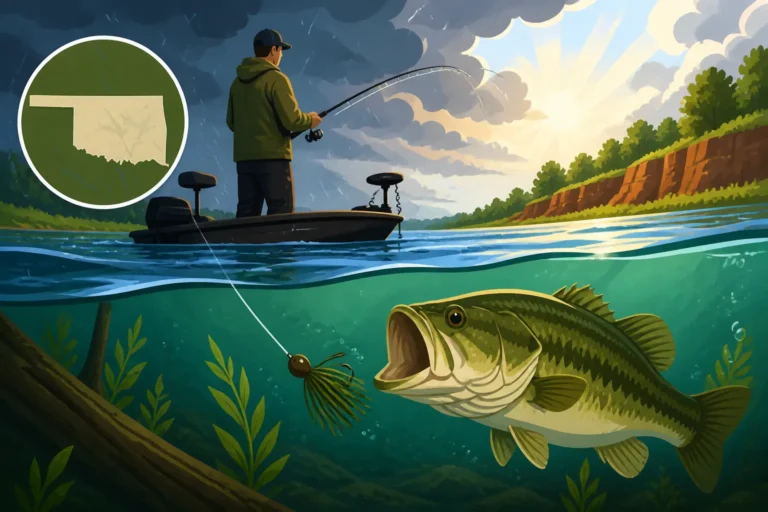
- Optimal Feeding Zone: Generally, bass are most active and feed aggressively when water temperatures are between 65°F and 75°F. In this "sweet spot," their metabolism is high, they're energetic, and they'll readily chase down a variety of lures.
- Pre-Spawn and Spawn: As water temperatures climb into the high 50s and low 60s in spring, bass move shallower to stage for the spawn. The actual spawn typically kicks off when temperatures consistently reach 62°F to 68°F. During this time, they're focused on reproduction and can be very territorial.
- Summer Heat: Once temperatures soar above 80°F, bass often retreat to deeper, cooler water, or seek out shade and oxygen-rich areas like creek channels, brush piles, or main lake points. Their feeding can become sporadic, often shifting to dawn, dusk, or even Summer Night Fishing Techniques in Oklahoma.
- Winter Chill: When water temperatures dip below 50°F, bass become much more lethargic, moving to deep, stable water and feeding infrequently. Slow, subtle presentations are key during this period, as outlined in guides like Oklahoma Bass Fishing: Techniques by Season.
Crappie: Black and White Varieties
Crappie are another beloved species in Oklahoma, prized for their delicious fillets and feisty fights. Both black and white crappie respond strongly to temperature.
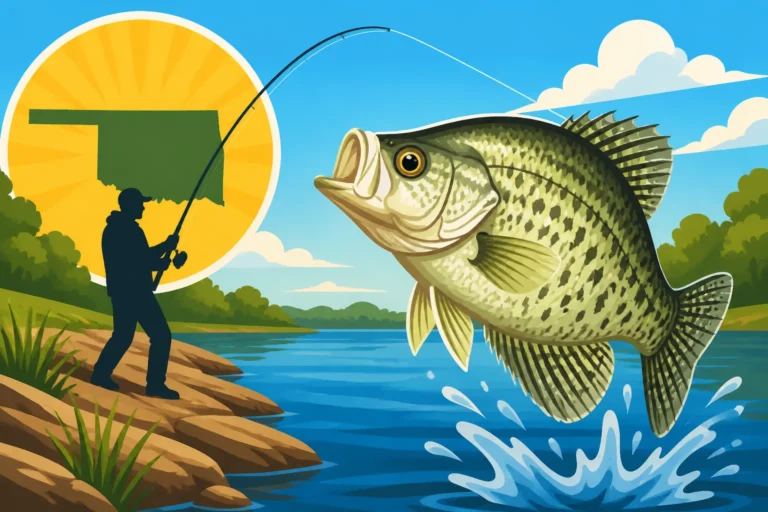
- Optimal Feeding Zone: Crappie are generally most active between 60°F and 70°F. In this range, they'll school up and readily bite jigs and minnows.
- Pre-Spawn and Spawn: The crappie spawn is a major event, usually triggered when water temperatures rise to 58°F to 65°F. They'll move into very shallow water, often around brush, docks, and submerged vegetation, making them highly accessible to anglers. This is often when you see some of the biggest catches.
- Summer Retreat: In the heat of summer, when water temperatures climb above 75°F, crappie will head for deeper water, suspending over channels, around submerged timber, or in brush piles. They'll still bite, but you often need to find them on structure and adjust your presentation to their less aggressive nature.
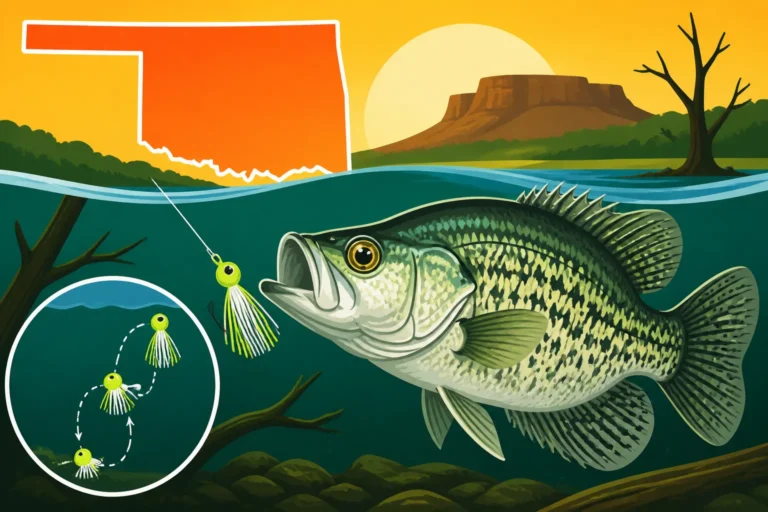
- Winter Deep Freeze: Below 50°F, crappie gather in large schools in deep water, often near the bottom or suspended in the water column over structure. They become very light biters, and slow vertical jigging or tightlining is usually the most effective approach, as detailed in Crappie Fishing in Oklahoma: Black and White Crappie.
Catfish: Blues, Channels, and Flatheads
Oklahoma is a catfishing paradise, offering opportunities for channel, blue, and flathead catfish. While they can tolerate a wider range of temperatures than bass or crappie, temperature still plays a significant role in their behavior.
- Optimal Feeding Zone: Catfish are generally very active and feed well in water temperatures between 70°F and 85°F, but they'll bite across a much broader spectrum.
- Spring Warm-up: As waters warm into the 60s, catfish become more active and start moving out of their wintering holes. They'll often feed aggressively on baitfish moving into shallower areas.
- Summer Peaks: Summer is prime time for catfishing, with the warm water keeping their metabolism high. This is when you can find them in a variety of depths, from shallow flats at night to deep channels during the day. Don't forget to check out Catfish Fishing Techniques for Oklahoma Anglers for species-specific tips.
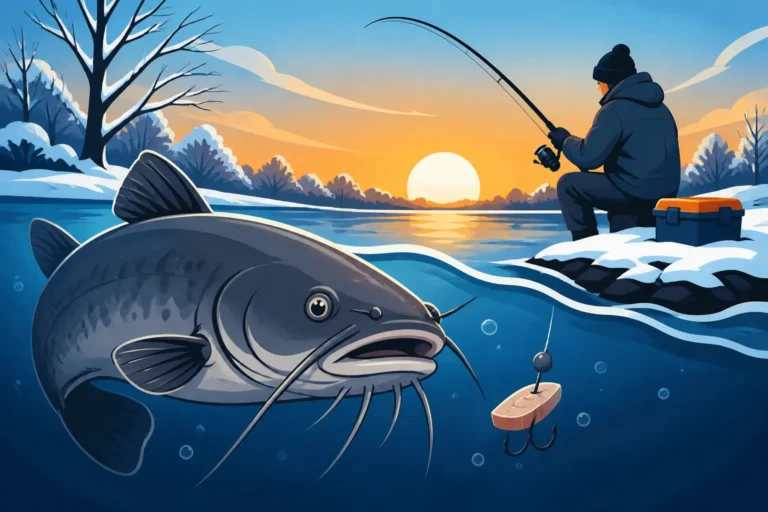
- Winter Slump: When water temperatures drop below 50°F, catfish, particularly blues and channels, will often school up in deep holes, river bends, or power plant discharges, becoming less active. Flatheads, known for their predatory nature, will still feed but become more sporadic.
Striper and White Bass: Cool Water Hunters
Striped bass and white bass are fantastic sport fish, especially in large reservoirs like Lake Texoma and Keystone Lake. They prefer cooler water than their black bass cousins.
- Optimal Feeding Zone: Stripers and white bass thrive in water temperatures between 60°F and 70°F. This is when they are highly migratory and often form large schools, chasing baitfish in open water.
- Spring Runs: In spring, as water temperatures rise into the 50s and low 60s, white bass make their famous spawning runs up rivers and creeks. This is a fantastic time for fast action. Stripers, too, will become very active, following baitfish into shallower areas.
- Summer Deeps: As summer temperatures push into the high 70s and 80s, stripers and white bass will seek out deeper, cooler water. They often suspend over thermoclines or near deep channels, sometimes feeding heavily during low-light hours. Guides like Lake Texoma May Striper Fishing in Oklahoma highlight prime seasonal windows where temperature is a major factor.
- Winter Schools: In winter, these fish will school tightly in deep water, often at the warmest available depths. They can still be caught, but locating these dense schools is critical, and vertical jigging or slow trolling are common tactics.
Here's a quick reference table for optimal temperature ranges for some of Oklahoma's most popular species:
| Fish Species | Preferred Temperature Range (°F) | Peak Spawning Temperature (°F) | Summer Retreat (Above °F) | Winter Lethargy (Below °F) |
|---|---|---|---|---|
| Largemouth/Smallmouth Bass | 65-75 | 62-68 | 80 | 50 |
| Black/White Crappie | 60-70 | 58-65 | 75 | 50 |
| Channel Catfish | 70-85 | 70-75 | 90 | 45 |
| Blue Catfish | 70-85 | 70-75 | 90 | 45 |
| Flathead Catfish | 70-85 | 70-75 | 90 | 45 |
| Striped Bass | 60-70 | 60-70 | 75 | 55 |
| White Bass | 60-70 | 55-65 | 75 | 55 |
Integrating Temperature Data into Your Fishing Strategy
Reading water temperature is just the first step. The real magic happens when you actively use that data to make informed decisions about where, when, and how to fish. This adaptive approach will turn lukewarm fishing days into memorable ones.
Seasonal Adjustments: Spring, Summer, Fall, Winter
Oklahoma experiences distinct seasons, and each brings different temperature patterns that demand specific strategies.
- Spring: As the ice melts and water slowly warms, fish begin to emerge from their deep winter havens. Look for them in north-facing coves, shallow flats, and areas with dark bottoms that absorb sunlight. Even a few degrees warmer in a specific area can concentrate fish. This is the pre-spawn staging phase.
- Summer: The brutal Oklahoma summer heat pushes surface temperatures into the high 80s and even 90s. Fish will seek thermal refuge in deeper, cooler water, often near submerged structure, deep points, or river channels. Don't be afraid to go deep, or try fishing at night when surface waters cool down. The thermocline (a layer of rapid temperature change) is often a key area to target, as it holds oxygenated, cooler water.
- Fall: As autumn arrives and temperatures begin to drop, fish become highly active again, entering a major feeding period. They're trying to fatten up for winter. Look for them to move shallower, chasing baitfish that are also moving. This can be one of the most exciting times to fish, especially for bass and crappie.
- Winter: Winter fishing means slow fishing, but it can be rewarding. Fish will congregate in deep, stable water, often in main lake channels, bluff ends, or near warmer discharges. Your presentation needs to be extremely slow and subtle. Keep an eye on How Cold Fronts Change Fishing Patterns on Oklahoma Lakes, as sudden temperature drops can shut fish down for days.
Locating Fish in Different Water Temperatures
Once you know the preferred temperature range for your target species, you can actively search for those temperatures.
- Warm Water Pockets: In early spring or late fall, a small cove or shallow flat that's a few degrees warmer than the main lake can be a magnet for fish. Use your thermometer or fish finder to scan these areas. A small temperature rise can signal a feeding zone.
- Cool Water Refuges: During summer, reverse your thinking. Instead of looking for warm water, search for cool water. This might be a deep river channel, a natural spring, or the shady side of a bluff. Fish will often stack up in these cooler zones, sometimes suspended in the water column at a specific depth where the temperature is ideal. For instance, if you're targeting crappie and know they like 65°F, and your sonar shows that temperature at 20 feet, that's where you should be dropping your baits.
- Current and Structure: Moving water, whether from a river inflow or wind-driven current, can also create temperature breaks and concentrate fish. Structure, like submerged timber, rock piles, or ledges, often holds fish because it offers both cover and a place for them to ambush prey, regardless of temperature. But knowing the temperature helps you refine which structure to target.
Lure and Bait Selection Based on Fish Activity
Water temperature also dictates the speed and type of retrieve that will be most effective, and thus, your lure and bait choices.
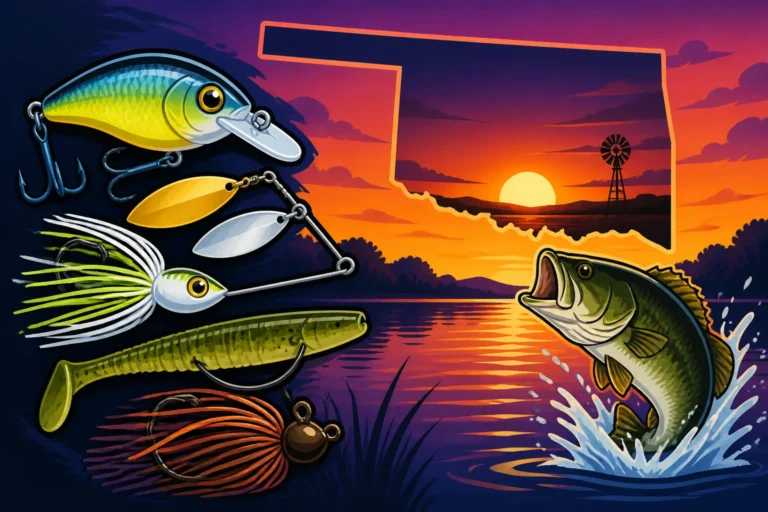
- Warm Water, Active Fish: When water temperatures are in the optimal range, fish are aggressive. This is the time for fast-moving baits like crankbaits, spinnerbaits, buzzbaits, and swimbaits. They'll chase down a fleeing bait, so don't be afraid to fish quickly. Many anglers stock up on these versatile lures on Amazon before their big trips.
- Cool Water, Less Active Fish: As temperatures drop, fish become more lethargic. Your presentations need to slow way down. Think finesse techniques: small jigs, slow-rolled spinnerbaits, soft plastics fished on a shaky head or Carolina rig, and live bait like minnows or worms. The fish aren't going to exert much energy to chase, so your bait needs to be easy to catch. Even in winter, a good set of Best Rods and Reels for Oklahoma Fishing will allow you to feel those subtle bites.
- Neutral to Negative Fish: When temperatures are outside the preferred range, fish might be neutral or even negative. This requires the slowest, most natural presentations. Live bait often shines here, as it's an easy meal. For artificials, think tiny jigs, drop shots, or dead-sticking a worm. The goal is to entice a reluctant bite, not provoke a chase.
By diligently reading water temperature and using that information to guide your decisions, you'll find that Oklahoma's fish become a lot more predictable. It's not just about what bait you use, but where and how you present it, all driven by the invisible force of water temperature.
Disclaimer
The information provided in this guide is for general informational purposes only and is subject to change. Always consult the most current regulations and guidelines from the Oklahoma Department of Wildlife Conservation before engaging in any fishing activities. Fishing conditions, including water temperatures, can vary greatly based on specific locations, weather patterns, and time of year.