How to Catch Walleye at Dusk
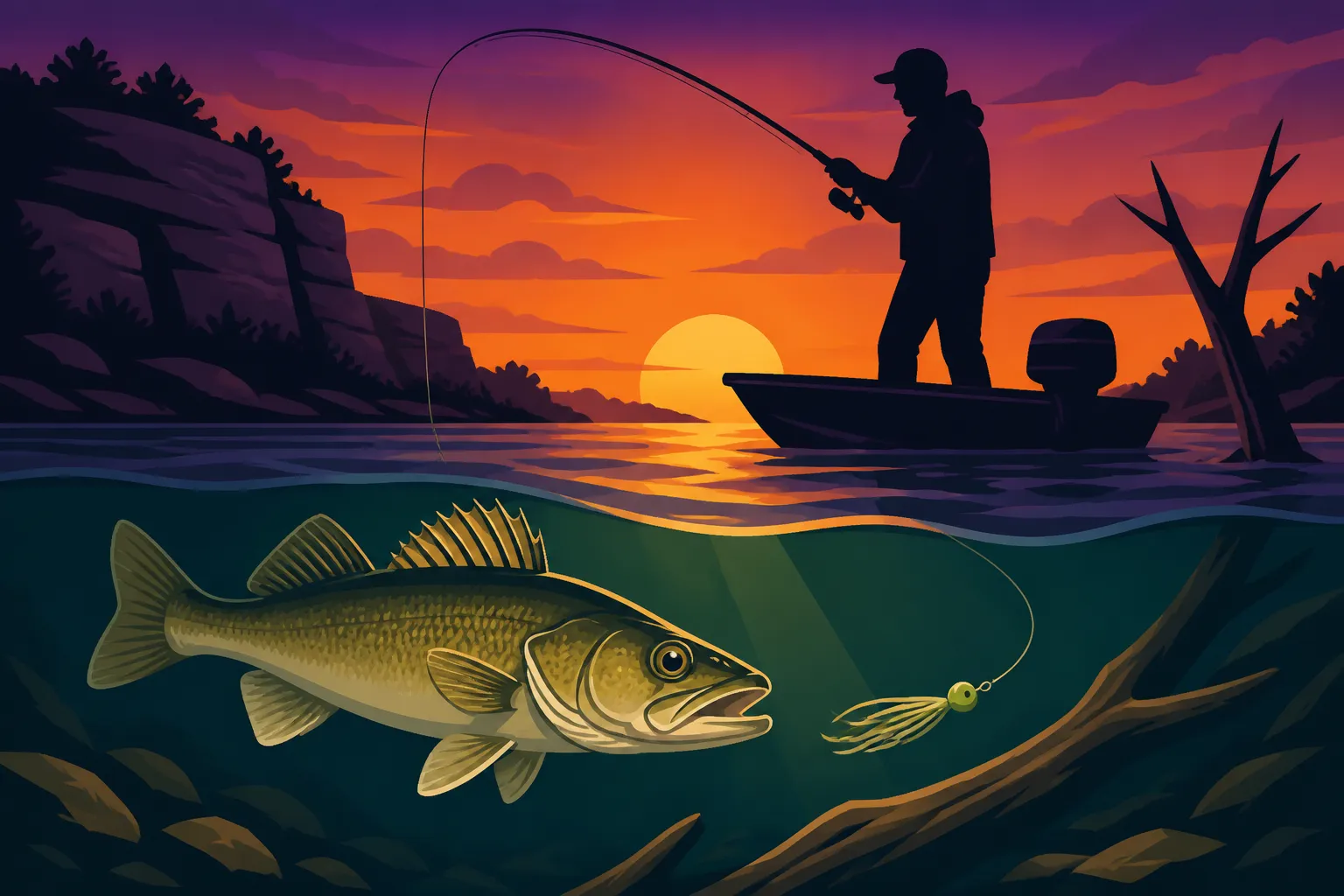
Trying to target walleye can feel like a game of hide-and-seek, especially during the bright, sunny parts of the day when they seem to vanish into the deeper, darker corners of Oklahoma's vast reservoirs. But as the sun dips below the horizon and the world turns to twilight, these elusive fish often become much more active, moving into shallower feeding grounds. This guide is all about helping you understand why dusk is such a prime time for walleye and equipping you with the strategies, gear, and knowledge to make your evening fishing trips a success.
Understanding Walleye Behavior at Dusk
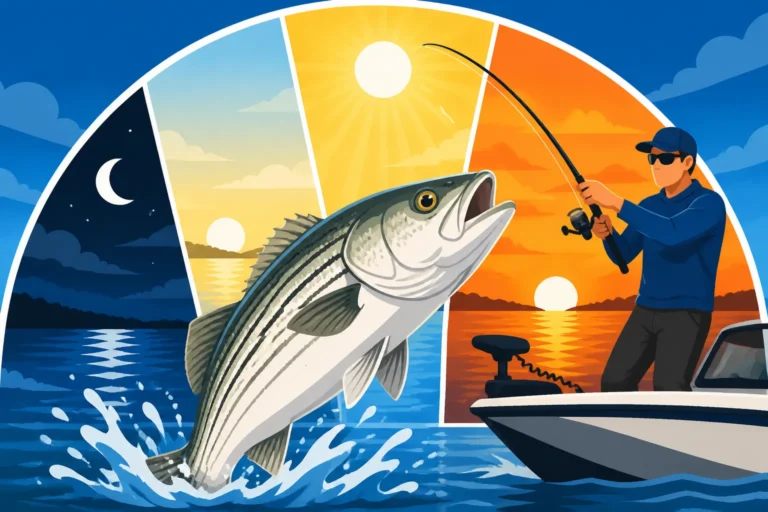
Walleye are often referred to as "low-light feeders," and there's a good reason for that reputation. Their large, light-sensitive eyes are incredibly well-adapted for seeing in dim conditions, giving them a significant advantage over their prey, which might rely more on daylight vision. This anatomical edge is precisely why dusk, along with dawn and nighttime, offers some of the best opportunities to hook into these toothy predators.
Why Dusk is Prime Time for Walleye
Think about it from a walleye's perspective: the bright midday sun can be blinding and uncomfortable. It drives them deep, into the shadows, or to the bottoms of structures where they can avoid the glare. But as the sun begins to set, the light intensity drops, creating a perfect hunting window. This crepuscular activity means they're naturally more inclined to move, forage, and strike during these transitional periods. It's not just about comfort; it's about competitive advantage. Their keen eyesight in low light turns the fading day into their personal buffet time, allowing them to ambush baitfish that are less aware of their surroundings. This makes understanding Why Fish Bite Better at Dawn and Dusk crucial for any serious walleye angler.
Factors Influencing Walleye Movement at Sundown
Several factors dictate exactly where and how walleye will move as dusk approaches. Water temperature, for instance, plays a huge role. As the day's heat dissipates, cooler surface waters can become more appealing, especially in warmer months. Wind, too, is a significant player. A steady breeze can push baitfish into specific coves or points, and where the bait goes, the walleye will follow. Cloud cover, while not strictly a dusk factor, can extend this low-light advantage; a cloudy day effectively creates "dusk-like" conditions for longer periods, encouraging earlier walleye activity.
Another critical element is the presence of structure and cover. Walleye are ambush predators. They'll use submerged humps, rock piles, weed lines, drop-offs, and even standing timber as staging areas. As the light fades, they'll often move from the deeper sides of these structures up onto the shallower tops or edges to hunt. This transition zone, where deep water meets shallow, becomes a hotspot for activity. Understanding Water Temperature and Oklahoma Fishing Timing can give you an edge in predicting these movements throughout the year.
Essential Gear and Bait for Dusk Walleye Fishing
Getting set up properly for dusk walleye fishing isn't just about having a rod and reel; it's about having the right rod and reel, plus the specific baits and accessories that capitalize on the walleye's low-light hunting advantage. You wouldn't bring a spoon to a knife fight, and you shouldn't bring the wrong gear to a dusk walleye battle!
Rods, Reels, and Line for Low Light
For walleye, a medium-light to medium power spinning or casting rod, typically in the 6'6" to 7'6" range, is a solid choice. You want a rod with a sensitive tip to detect those subtle walleye bites, but enough backbone to set the hook firmly and manage a thrashing fish. A fast action tip is usually preferred as it bends mostly at the tip, transferring energy quickly for a strong hookset. When it comes to reels, a quality spinning reel in the 2500-3000 size or a baitcasting reel with a smooth drag system is ideal.
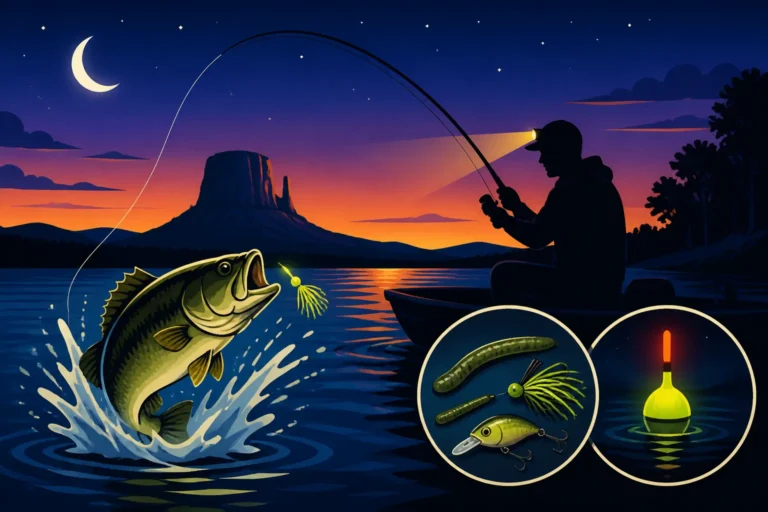
Line choice is critical, especially as visibility fades. Many anglers opt for a low-visibility fluorocarbon line, typically 8-12 pound test, for its near-invisibility underwater and its excellent sensitivity. Some prefer braided line (10-20 pound test) for its incredible strength and sensitivity, often adding a 6-10 foot fluorocarbon leader for stealth. The lack of stretch in braid helps you feel those light bites in the dim light, which is paramount for successful walleye fishing. Don't forget a good headlamp! As the sun totally disappears, you'll need hands-free light for tying knots, unhooking fish, and navigating. You can find a wide selection of durable, waterproof headlamps on Amazon that are perfect for late-night rigging.
Top Baits and Lures for Evening Walleye
When the light gets low, walleye become more aggressive and opportunistic. This is when artificial lures really shine, mimicking baitfish on the move. Here's a breakdown of some of the best options:
- Jigs: Always a walleye killer, jigs tipped with soft plastics (grubs, paddle tails, minnow imitations) or live bait (minnows, nightcrawlers) are incredibly versatile. In low light, darker colors or those with UV enhancements can be particularly effective. A 1/8 to 1/2 ounce jig is common, depending on depth and current.
- Crankbaits: Diving crankbaits that reach the depths where walleye are staging, or shallow-running models for when they push onto flats, are excellent. Choose baits that have a strong wobble and rattle, as sound and vibration become key attractants in low light. Colors like chrome, firetiger, or those with subtle glow elements can be productive.
- Stickbaits/Jerkbaits: Long, slender stickbaits, retrieved with a jerk-pause cadence, can imitate a wounded baitfish perfectly. These are especially good when walleye are actively hunting near the surface or along breaklines.
- Swimbaits: Soft plastic swimbaits, often rigged on a weighted swimbait hook or a jig head, offer a lifelike presentation. Paddle tail designs create a lot of vibration that walleye can home in on.
- Spinner Rigs: These combine a spinner blade with live bait, like a nightcrawler or minnow. The flash and vibration of the spinner, combined with the natural scent and action of live bait, is a deadly combination, especially when slow-trolling or drifting.
When considering your options, checking out resources like Best Lures for Walleye at Oklahoma Reservoirs can give you lake-specific recommendations, helping you narrow down your choices for local waters.
Here's a quick comparison of popular lure types for dusk walleye fishing:
| Lure Type | Best Use at Dusk | Key Features for Low Light | Retrieval Style | Notes |
|---|---|---|---|---|
| Jigs | Vertical jigging, casting | Dark colors, glow, vibration | Lift-drop, slow retrieve | Versatile, can be tipped with live bait or plastics |
| Crankbaits | Trolling, casting shorelines | Rattles, wide wobble, reflective/UV finish | Steady retrieve, stop-and-go | Excellent for covering water and triggering aggressive bites |
| Stickbaits | Casting shallow breaks, twitching | Slender profile, subtle flash | Twitch-pause, erratic retrieve | Mimics dying baitfish, good for suspended walleye |
| Swimbaits | Casting, slow retrieve | Paddle tail vibration, realistic profile | Steady retrieve, slow roll | Great for mimicking larger baitfish, very natural action |
| Spinner Rigs | Trolling, drifting | Flashy blades (gold/silver), live bait | Slow retrieve/troll | Irresistible combination of flash, vibration, and natural scent |
Mastering Techniques for Dusk Walleye
Once you've got your gear ready, it's time to talk strategy. Fishing for walleye at dusk isn't just about being on the water; it's about employing techniques that capitalize on their behavior during this specific window. Whether you're in a boat or on the bank, a nuanced approach will yield better results.
Trolling Strategies in Fading Light
Trolling is a highly effective way to cover a lot of water and locate active walleye, especially as they move from deeper haunts to shallower feeding areas. As the light fades, walleye often become less skittish and more willing to chase. Start by targeting breaklines, humps, and points that transition from deep to shallow water. A good rule of thumb is to begin trolling deeper just before sunset, then gradually work your way shallower as it gets darker.
When trolling with crankbaits or spinner rigs, pay close attention to your speed. Walleye can be finicky, and sometimes a slight increase or decrease in speed can make all the difference. Many anglers opt for speeds between 1.0 and 2.5 mph, but experimentation is key. Consider using a quality fish finder to identify bait schools and individual walleye holding near structure. Even in low light, these units, some of which you can find on Amazon, can give you a critical edge by showing you exactly where the fish are. For more advanced strategies, you might want to delve into How to Troll for Walleye in Summer, as many of the principles apply universally.
Casting and Jigging Techniques
Casting and jigging are fantastic methods for targeting specific structures or when you've identified a concentrated group of walleye. As dusk sets in, cast your chosen lure (jigs, crankbaits, or swimbaits) towards weed lines, rock piles, or submerged timber. Let the lure sink to the desired depth and work it back with a retrieve that mimics wounded baitfish – think erratic jerks, pauses, and steady retrieves.
For jigging, whether from a boat or bank, focus on vertical presentations directly over known walleye holding areas. Use a sharp, rhythmic lift-and-drop motion, ensuring your jig makes contact with the bottom occasionally to stir up sediment and attract attention. Walleye bites can be incredibly subtle, feeling like a slight tick or just added weight on your line. Stay vigilant and be ready to set the hook at the slightest indication. Consider using jigs with rattles or those painted in glow-in-the-dark or UV-reactive colors to enhance visibility in the diminishing light.
Bank Fishing Tactics for Evening Walleye
Don't have a boat? No problem! Many excellent walleye opportunities exist for bank anglers at dusk. The key is to choose locations where walleye naturally come close to shore to feed. This often means focusing on points, rocky shorelines, dam rip-rap, or areas where tributaries enter a main lake. These spots provide easy access to deeper water while offering shallower feeding grounds within casting distance.
A long casting rod (7-9 feet) will help you reach those productive deeper zones. Use lures that can be cast a good distance, like lipless crankbaits, spoons, or heavier jigs. If using live bait, a slip-sinker rig with a minnow or nightcrawler, cast out and allowed to sit on the bottom, can be incredibly effective. Make sure you have a reliable headlamp and perhaps a small portable tackle box, both easily found on Amazon, to keep your essentials organized and accessible in the dark. Learning How to Catch Walleye from the Bank can significantly improve your success from shore.
Choosing the Best Spots for Evening Walleye
Finding walleye is often about finding their preferred habitat, and at dusk, those habitats shift. Knowing what kind of structure and cover these fish prefer as the light fades is paramount to putting yourself in the right place at the right time.
Structure and Cover Walleye Seek at Dusk
Walleye are masters of using structure to their advantage, especially when ambushing prey. As dusk approaches, they typically move shallower. Look for:
- Rock Piles and Humps: These submerged features provide excellent ambush points. Walleye will often sit on the deep side of the structure during the day, then move up onto the top or shallower sides to feed as the light dims.
- Breaklines and Drop-offs: These are transition zones where the bottom contour changes significantly. Walleye will patrol these edges, moving up from deeper water to hunt. Trolling parallel to a breakline is a classic walleye technique.
- Weed Lines: The edges of healthy submerged weed beds are magnets for baitfish, which in turn attract walleye. These areas offer both cover and a food source. Target the outside edges of these beds where the water starts to deepen.
- Points and Bays: Shoreline points that extend into the lake, or the mouths of shallow bays, can funnel baitfish and become major feeding zones for walleye at dusk.
- Rip-rap: Rock-covered banks (often found near dams, bridges, or causeways) absorb heat during the day and can hold baitfish. Walleye will often cruise these rocky edges in low light.
Understanding these preferred habitats is key to consistently finding fish. While you're at it, familiarize yourself with Walleye, Sauger and Saugeye: Oklahoma's Cousin Fish to accurately identify your catch.
Specific Oklahoma Lake Considerations
Oklahoma boasts numerous lakes with thriving walleye populations, many of which offer fantastic dusk fishing. While specific spots can change with water levels and seasons, focusing on the type of structure generally pays off.
- Lake Texoma: While famous for its striped bass, Texoma also holds walleye. Look for rocky points and ledges, especially on the upper end of the lake. The Red River arm and its tributaries can be productive.
- Canton Lake: Canton is perhaps Oklahoma's most well-known walleye fishery. The rip-rap along the dam, rocky shorelines, and main lake points are excellent targets during dusk. Pay attention to wind-blown banks where baitfish might congregate. For those looking to target a specific lake, checking out Best Walleye Fishing Spots in Oklahoma will provide invaluable local insights.
- Lake Hefner (near Oklahoma City): This urban lake can be surprisingly good for walleye, particularly in the evenings. Focus on the rocky banks and the discharge area.
- Kaw Lake: This reservoir offers good walleye fishing, especially near the dam and along the main lake channel. Rocky areas and submerged timber are prime targets.
- Fort Supply Lake: Another western Oklahoma lake known for its walleye. Similar to Canton, rip-rap and main lake points are key areas to explore during low light.
Remember, walleye populations and their movements can vary from year to year. Always check the latest local fishing reports and regulations before heading out. Knowing the general Best Time of Year to Catch Walleye can also help you plan your trips around their peak activity periods.
Dusk fishing for walleye is a truly rewarding experience, offering a unique challenge and the potential for some incredible catches. By understanding their low-light behavior, equipping yourself with the right gear and techniques, and targeting productive structures, you'll significantly increase your chances of success. So next time the sun starts to dip, don't pack up your gear – grab your headlamp, tie on a favorite crankbait, and get ready for some exhilarating walleye action!
Disclaimer
This article is for general informational purposes only and does not constitute professional advice. Laws, prices and regulations vary by location and change over time. Consult a qualified professional for guidance on your specific situation.