What Fish Are Safe to Eat From Oklahoma Waters?
It's a question every angler asks, whether you're a seasoned pro or just starting out: "Is this fish safe to eat?" You spend hours on the water, you land a beautiful catch, and the thought of enjoying a fresh fish dinner is a huge part of the experience. But then that nagging doubt creeps in—are there hidden dangers in our Oklahoma waters, and how do you know if your hard-earned meal is truly safe? This guide aims to cut through the confusion and help you understand what fish from Oklahoma's lakes and rivers you can enjoy with peace of mind.
Understanding Oklahoma's Fish Consumption Advisories
Let's face it, nobody wants to catch a fish only to wonder if it's going to make them sick. The good news is, for the vast majority of fish caught in Oklahoma, you're absolutely fine. But like anywhere else, there are certain considerations, and that's where fish consumption advisories come into play. These aren't meant to scare you away from fishing; they're there to help you make informed decisions about your diet.
What Exactly Are Advisories, and Why Do They Exist?
Think of a fish consumption advisory as a public health recommendation. It's not a ban on fishing or even eating fish, but rather guidance on how much of certain fish species from specific bodies of water is safe to consume, especially for vulnerable populations like pregnant women, nursing mothers, and young children. These advisories primarily exist because of contaminants that can accumulate in fish tissue over time.
The most common culprit you'll hear about is mercury, but other substances like polychlorinated biphenyls (PCBs) or even some pesticides can also be a concern. These contaminants often enter our waterways from natural sources, like the breakdown of rocks, or from human activities, such as industrial discharges or agricultural runoff, sometimes from decades ago. Fish absorb these substances from the water and through their diet, and over their lifespan, these contaminants can build up in their bodies. This process is called bioaccumulation, and it’s why older, larger fish often have higher levels.
Who Issues These Advisories, and How Do I Find Them?
In Oklahoma, several state agencies work together to monitor water quality and assess fish contamination, though the Oklahoma Department of Environmental Quality (ODEQ) is typically the lead agency for issuing official fish consumption advisories. They collaborate with the Oklahoma Department of Wildlife Conservation (ODWC) to ensure public safety while supporting recreational fishing.
It’s crucial to understand that these advisories are dynamic. They can change based on new testing data, improved environmental conditions, or updated scientific understanding. When you're planning a fishing trip, especially to a new lake or river, it's always a good idea to seek out the latest information. While I can't give you real-time updates, a quick search for "Oklahoma fish consumption advisories" will point you to the official resources. Local bait shops and marinas can also be surprisingly good sources of current, on-the-ground knowledge.
The Difference Between a "Warning" and a "Precautionary Advisory"
This can be a point of confusion for many anglers. Often, you'll hear the terms "warning" and "advisory" used interchangeably, but there can be subtle differences in how they're intended.
- Precautionary Advisories: These are the most common. They usually recommend limiting consumption for certain populations (like children and pregnant women) or suggest a reduced frequency of eating fish from a particular area or of a certain species. For example, an advisory might say "do not eat more than one meal per week" of a specific fish from a particular lake. Most healthy adults can often eat more than the advisory recommends for sensitive groups, but it's still wise to follow the general guidance.
- Warnings/Do Not Eat Advisories: These are much rarer and more serious. A "do not eat" warning means that no one should consume fish from that particular body of water or of a specific species due to significantly elevated contaminant levels. These are usually in response to very high concentrations of a pollutant, and they are issued with strong public health implications in mind.
It's important to differentiate these because a precautionary advisory doesn't mean the fish are inherently "bad," but rather that moderation and awareness are key, especially for those more susceptible to contaminant effects. Always read the advisory carefully to understand its specific recommendations.
Common Contaminants and How They Affect Fish
Understanding what makes certain fish potentially less safe helps you make better choices when you're deciding what to keep for dinner. It's usually not about visible signs on the fish itself, but rather invisible chemicals in its tissue.
Mercury: The Big One
When people talk about fish contamination, mercury is almost always the first thing that comes up, and for good reason. Methylmercury, the organic form of mercury found in fish, is a potent neurotoxin that can affect brain development in fetuses and young children. It's also a concern for adults with high exposure.
How does it get into fish? Mercury can come from natural sources, like volcanic activity, but a significant portion in our environment today comes from human activities such as coal-fired power plants. Once released into the atmosphere, it settles into waterways, where microorganisms convert it into methylmercury. This methylmercury is then absorbed by small aquatic organisms, which are eaten by small fish, which are in turn eaten by larger fish. This is the process of bioaccumulation and biomagnification: the mercury concentrates as it moves up the food chain.
This is why larger, older predatory fish are almost always the species most likely to have higher mercury levels. Think of fish like older largemouth bass, striped bass, or large catfish. They live longer and eat more contaminated smaller fish, accumulating more mercury over time. Smaller, short-lived fish or those lower on the food chain, like crappie, bluegill, or smaller white bass, generally have much lower levels. This is a crucial point that directly impacts what fish are generally safer to eat.
PCBs and Dioxins: Less Common, Still Important
While mercury tends to be the most widespread concern, polychlorinated biphenyls (PCBs) and dioxins are another group of contaminants that occasionally trigger fish consumption advisories. PCBs are industrial chemicals that were widely used in electrical equipment, plastics, and other products until they were banned in the late 1970s due to their persistence in the environment and toxicity. Dioxins are unintended byproducts of various industrial processes, including some types of combustion.
Like mercury, PCBs and dioxins are persistent, meaning they don't break down easily in the environment, and they bioaccumulate in fish, particularly in fatty tissues. Advisories related to these compounds are less common today than mercury advisories, but they can still exist in areas with historical industrial contamination or in specific river segments. Often, these advisories will also target larger, fattier fish. The good news is that agencies have been working for decades to clean up these legacy pollutants, and monitoring continues to ensure levels remain safe.
Other Factors: Algae Blooms and Local Pollution
Beyond persistent chemical contaminants, temporary environmental conditions can also influence fish edibility. One common issue is harmful algal blooms (HABs), sometimes referred to as "red tides" in saltwater, but occurring in freshwater too. These blooms, often triggered by nutrient runoff and warm temperatures, can produce toxins that accumulate in fish and shellfish, making them unsafe to eat. While typically not a widespread issue across an entire state, local advisories may be issued during severe blooms.
Another factor could be very localized pollution events, such as a chemical spill or an overflow from a treatment plant. These events are usually quickly detected and addressed, leading to immediate, temporary warnings for a specific area. It's why staying aware of local news and official reports is important, especially after heavy rains or unusual events. Fishing Regulations You Need to Know in Oklahoma covers general rules, but local conditions can add another layer of consideration.
General Guidelines for Safe Fish Consumption in Oklahoma
So, what's an angler to do? You want to enjoy your catch, and you absolutely can! The key is making informed choices, and understanding that not all fish, and not all bodies of water, are created equal when it comes to potential contaminants.
Species-Specific Recommendations: Which Fish Are Generally Safer?
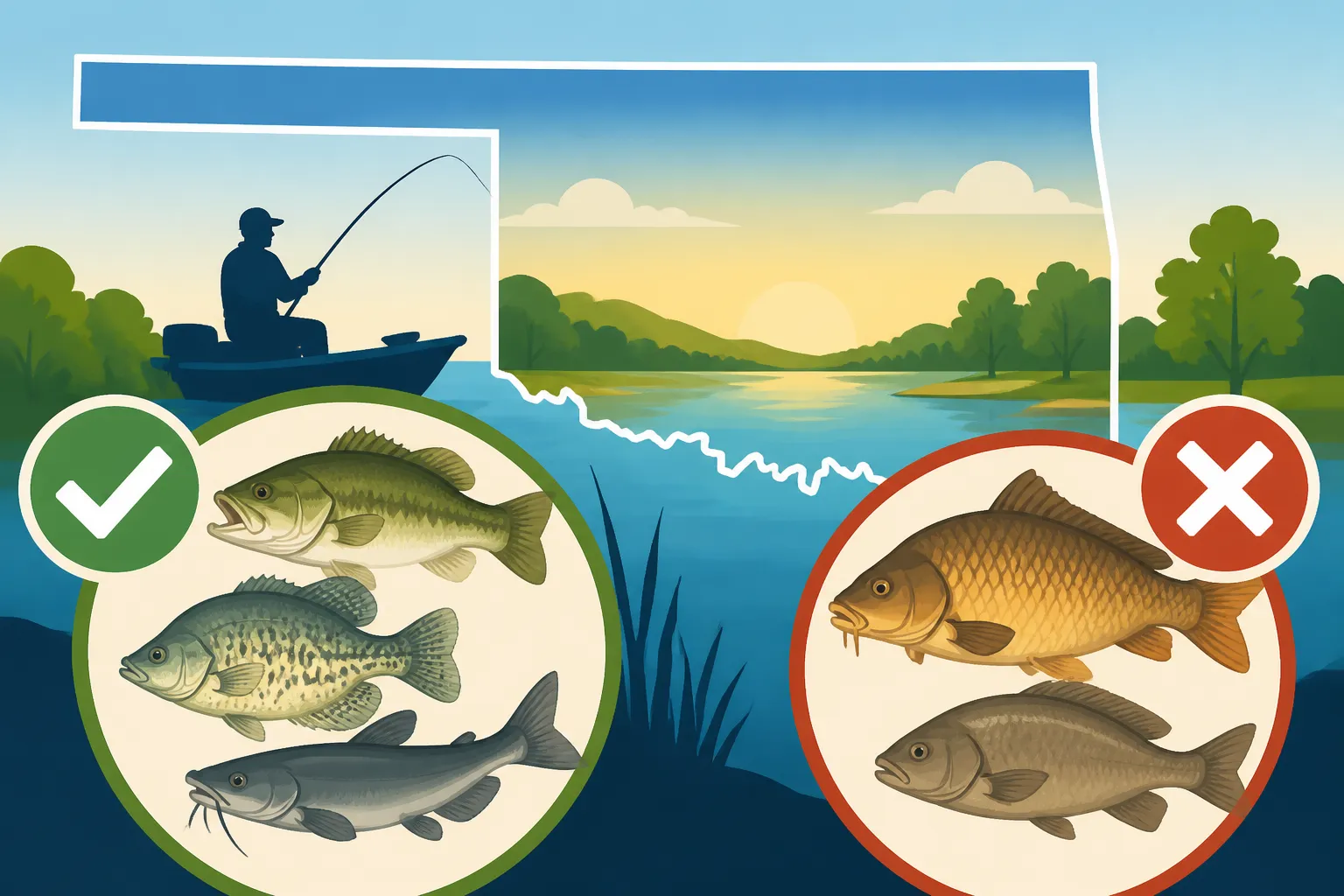
Generally speaking, when it comes to contaminants like mercury, smaller, shorter-lived fish species tend to be safer choices. These fish simply haven't had as much time to accumulate contaminants, and they often feed lower on the food chain.
Here's a quick overview:
- Generally Low in Contaminants (Eat More Often):
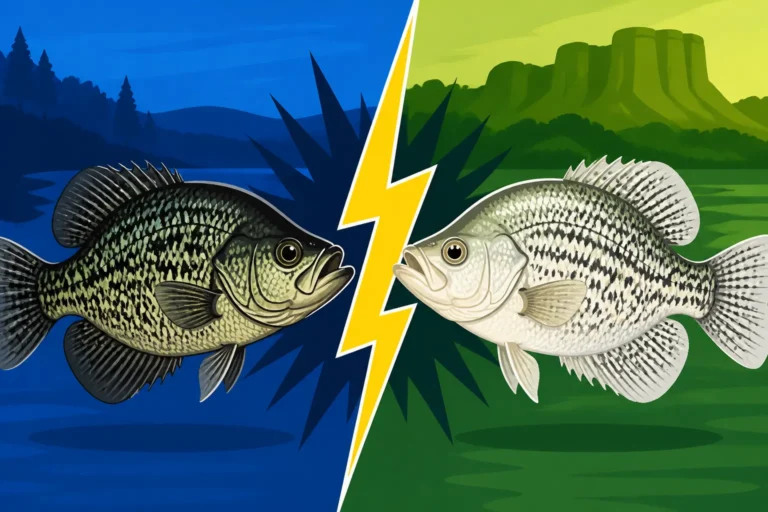
- Crappie: Both black and white crappie are excellent choices. They're delicious, abundant, and their smaller size and typical diet mean they rarely pose a concern. You can feel good about enjoying Oklahoma's Statewide Crappie Bag Limit without much worry.
- Bluegill & Other Sunfish (Bream): These panfish are fantastic for beginners and families, and they are almost always safe for frequent consumption.
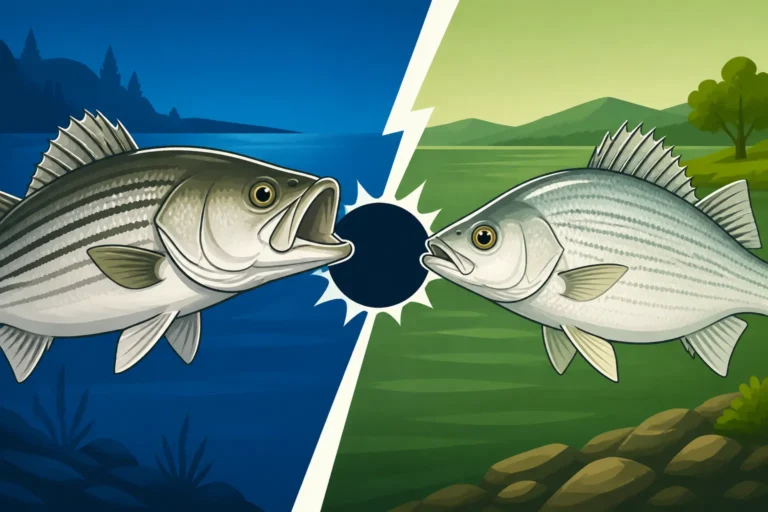
- White Bass: While they are predators, their relatively smaller size and shorter lifespan generally place them in the safer category compared to their larger striped bass cousins.
- Smaller Channel Catfish: Younger, smaller channel catfish are also generally good to go.
- Moderate in Contaminants (Eat in Moderation, especially for sensitive groups):
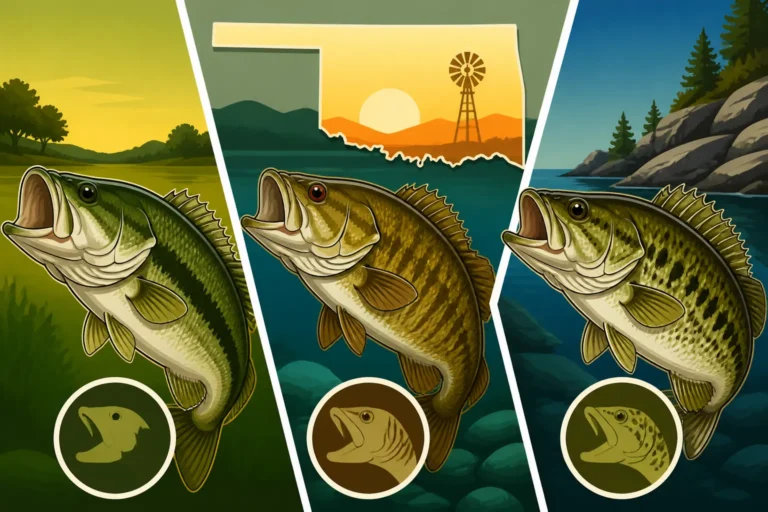
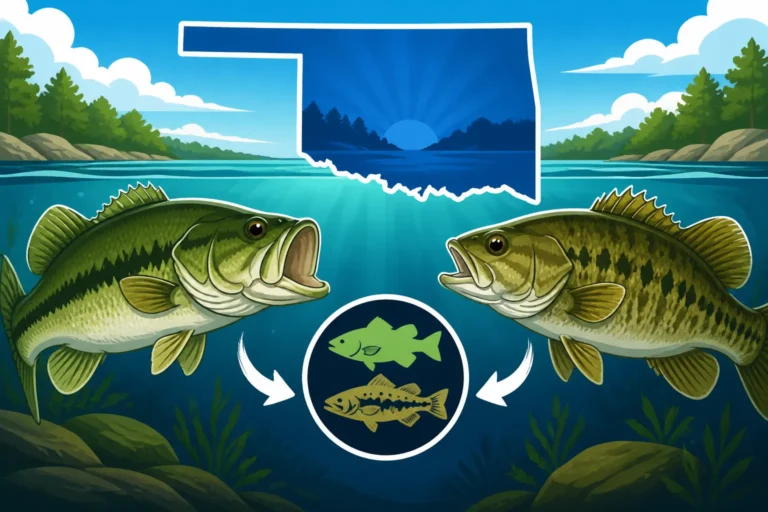
- Largemouth Bass & Smallmouth Bass: These popular game fish can accumulate mercury, especially the older, larger individuals. Enjoy them, but consider limiting consumption, particularly if you're targeting trophy fish. Oklahoma's Bass Fishing Rules and Limits gives you the limits, but advisories might add another layer.
- Blue Catfish: While a prized catch, large blue catfish are long-lived predators. The 30-Inch Blue Catfish Rule in Oklahoma is about conservation, but it's worth noting that any blue cat pushing or exceeding that size would be higher in contaminants. Smaller ones are generally fine.
- Striped Bass: Known for their fighting spirit and size, striped bass are apex predators and can have higher mercury levels. Enjoy them, but be mindful of consumption frequency, especially the biggest ones from lakes like Texoma.
Size Matters: Why Smaller Fish Are Often a Better Bet
This point cannot be stressed enough, especially when discussing mercury. The bigger the fish, and the older it is, the more time it's had to accumulate contaminants. This is why many advisories will have a size component, recommending you limit or avoid fish over a certain length.
Think of it this way: a 10-inch crappie or a 12-inch channel catfish has likely lived a relatively short life compared to a 20-inch largemouth bass or a 40-inch blue catfish. That shorter lifespan and often different diet mean less exposure and less accumulation of mercury. If you're out fishing and want to bring home a meal, consider keeping the smaller, legal-sized fish rather than always aiming for the biggest "lunker." It's not just better for the ecosystem's breeding stock; it's often a healthier choice for your plate too.
| Fish Species Group | General Contaminant Risk (Primary concern: Mercury) | Size Guideline | Typical Diet |
|---|---|---|---|
| Panfish | Very Low | Any legal size | Insects, larvae, small crustaceans |
| (Crappie, Bluegill, Sunfish, White Bass) | |||
| Smaller Catfish | Low | Smaller individuals (under ~20 inches) | Omnivores, scavengers |
| (Channel Catfish) | |||
| Medium Predators | Moderate | Moderate consumption for larger individuals | Smaller fish, crustaceans |
| (Largemouth Bass, Smallmouth Bass) | |||
| Large Predators | Higher | Limit consumption, especially for largest/oldest | Fish (often other game fish) |
| (Large Blue Catfish, Striped Bass) |
Note: This table provides general guidance. Always check current, specific advisories for the water body you are fishing.
Preparation Tips to Reduce Risk
While you can't cook mercury out of fish, proper cleaning and preparation can help reduce exposure to other contaminants like PCBs and dioxins, which tend to accumulate in fatty tissues. These are not magic bullets, but good practices for any wild game.
Here are a few tips:
- Trim the Fat: Before cooking, remove the skin, visible fat, and the darker fat along the lateral line and belly. This is particularly relevant for fattier fish like some catfish or carp where PCBs might be more concentrated.
- Skin the Fish: While some prefer the skin, removing it can also help reduce certain contaminants.
- Broil, Bake, or Grill: These cooking methods allow fats to drain away. Frying, which cooks fish in its own fat or added oils, may retain more contaminants.
- Use Clean Tools: Always use clean knives and cutting boards to prevent cross-contamination from other fish or sources. Having a dedicated set of cleaning tools, maybe even a specialized fillet knife you found on Amazon, can make the process easier and more hygienic.
Remember, these tips are more about reducing exposure to fat-soluble contaminants rather than mercury. Mercury is distributed throughout the muscle tissue, so cooking methods don't significantly reduce its levels. The best defense against mercury is choosing the right species and size of fish.
Empowering Yourself: Being a Savvy Angler and Consumer
Ultimately, the power to enjoy safe, healthy fish from Oklahoma's waters lies in your hands. It's about combining your love for fishing with a little bit of knowledge and common sense. No one wants to stop enjoying the bounty of our lakes and rivers, and with the right approach, you don't have to. What Fish Are Safe to Eat From Oklahoma Waters? is a journey, not a destination, and it starts with staying informed.
Staying Informed About Specific Waterways
This is perhaps the most crucial step. Fish consumption advisories are almost always specific to certain water bodies and species within them. What's safe to eat from Lake Texoma might be different from a small pond near Tulsa, or a specific river segment.
Before heading out to a new spot, or even one you visit regularly, make it a habit to do a quick check for current advisories. The Oklahoma Department of Environmental Quality (ODEQ) website is the official source for this information. They'll have detailed lists of specific lakes, rivers, species, and any associated recommendations. Don't rely solely on word-of-mouth; things can change. This proactive approach ensures you're always making the best decisions for your health and your family's. It's just as important as knowing Fishing License Requirements in Oklahoma before you cast a line.
The "Eat in Moderation" Approach
For most healthy adults, even fish with moderate contaminant levels can be safely enjoyed as part of a balanced diet, provided it's done in moderation. This doesn't mean you can never eat that big bass or blue catfish you caught; it simply means don't eat it every single day, or perhaps limit it to a few meals a month.
Variety is also your friend. If you love bass fishing, consider mixing in some crappie or catfish meals from time to time. If you target Best Bass Fishing Lakes Across Oklahoma one weekend, maybe try a Best Crappie Lakes in Oklahoma trip the next. This naturally diversifies your intake and reduces potential exposure to any single contaminant. For sensitive populations like pregnant women or young children, stricter adherence to advisory limits is highly recommended. It’s all about balance and being sensible.
Gear for Healthier Harvesting
Part of safe fish consumption starts the moment you catch the fish. Proper handling, cleaning, and storage are crucial to ensuring your catch remains fresh and safe to eat, regardless of contaminant levels.
- Coolers and Ice: Get your fish on ice immediately after catching them. This slows bacterial growth and keeps the meat fresh. A good quality cooler is an essential piece of gear for any angler. Many reliable options are available on Amazon.
- Fillet Knives and Boards: Invest in sharp, clean fillet knives and a dedicated cutting board for fish. Proper tools make the cleaning process easier and more hygienic. Keeping your knives sharp helps prevent accidents and allows for cleaner cuts, reducing waste and making it easier to remove undesirable fat.
- Gloves: Consider wearing gloves while cleaning fish, especially if you have cuts or scrapes on your hands. This protects you from bacteria and keeps your hands clean.
- Storage Bags: Use heavy-duty freezer bags or a vacuum sealer to store your fillets. This prevents freezer burn and keeps the fish fresh for longer periods.
These are just a few basics, but they make a huge difference in the quality and safety of your eventual meal. From the moment that fish comes out of the water, you're in control of its journey to your plate. By being informed about advisories, making smart choices about species and size, and practicing good hygiene, you can continue to enjoy the delicious bounty of Oklahoma's waters for years to come. Ultimately, knowing Best Fish to Catch and Eat in Oklahoma is about understanding the whole picture, from regulations to delicious preparation.
Disclaimer
This article is for general informational purposes only and does not constitute professional advice. Laws, prices and regulations vary by location and change over time. Consult a qualified professional for guidance on your specific situation.