Best Bait for Largemouth Bass in Oklahoma
There's nothing quite like the heart-stopping thump of a largemouth bass hitting your line, especially here in Oklahoma. But let's be honest, standing by the water, casting lure after lure with no luck, can be incredibly frustrating. We've all been there, wondering if we're using the right bait, if the fish are even biting, or if our fishing spot is just cursed. This guide is going to strip away that guesswork and provide you with a comprehensive breakdown of the best baits for largemouth bass in Oklahoma, helping you understand why certain baits work and when to use them to turn those frustrating outings into triumphant tales.
Understanding Largemouth Bass Feeding Habits in Oklahoma
Before we even talk about specific baits, it's crucial to understand how largemouth bass think (or, more accurately, instinctively react) when it comes to food. These fish are opportunistic predators, meaning they'll eat whatever is readily available and seems like an easy meal. But their choices aren't random; they're heavily influenced by the seasons, the local forage, and the very water they swim in. Neglecting these factors is like trying to sell ice cream to a polar bear in winter – you might get lucky, but it's not the most efficient strategy.
Seasonal Changes in Bass Diet
Just like us, bass don't always crave the same meal year-round. Their metabolism, activity levels, and where they position themselves in the water column are all dictated by the changing seasons. In the spring, as water temperatures rise and the Spring Bass Spawn Timing in Oklahoma approaches, bass become incredibly aggressive, fattening up for the spawn. They're looking for bigger meals to build energy. This is when larger baits can shine. Think about it: they need a lot of calories for all that nest building and protecting.
Summer brings warmer water, which can make bass lethargic during the heat of the day. They'll often retreat to deeper, cooler water or dense cover and feed most actively during low light hours – dawn, dusk, or even at night. Their diet might shift towards smaller, quicker meals, or they'll ambush anything that presents itself near their cover. Fall is another prime feeding period as bass try to pack on weight for the colder months. They become highly active, chasing baitfish in open water. Finally, winter slows everything down. Bass are still catchable, but they're typically less aggressive and prefer slow-moving, subtle presentations in deeper water. Understanding Oklahoma Bass Fishing: Techniques by Season is key to year-round success.
Forage Base Variety Across Oklahoma Lakes
What are the bass actually eating in a particular lake? This is perhaps the single most important question to answer. Oklahoma's diverse lakes, from the clear, rocky waters of Broken Bow to the vast, murky expanses of Lake Eufaula, each have their own unique ecosystem and dominant prey species. If a lake is teeming with shad, bass are going to be keying in on shad. If it's full of crawfish, then those crustaceans become a major food source.
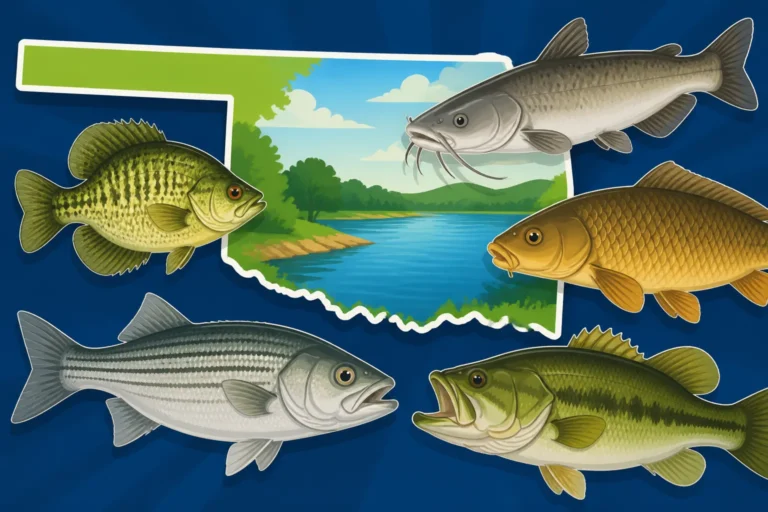
Common forage in Oklahoma includes various species of shad (threadfin and gizzard), sunfish (like bluegill and green sunfish), small crappie, and, of course, crawfish. Some lakes even have populations of yellow perch or small catfish that bass will prey on. Paying attention to what other anglers are catching, or even observing baitfish activity near the banks, can give you huge clues. If you net a few small baitfish in a cove, take a moment to notice their size and color. That information is gold for selecting your bait.
Water Conditions and Bass Preferences
The clarity and temperature of the water significantly impact how bass feed and what baits they prefer. In clear water, bass rely heavily on their eyesight. They'll scrutinize baits more closely, so natural colors, realistic profiles, and subtle presentations often work best. Fluorocarbon line, which is nearly invisible underwater, becomes a huge advantage here. Conversely, in murky or stained water, visibility is low. Bass switch to relying more on their lateral line, which detects vibrations, and their sense of smell. This is when loud, vibrating lures or baits with strong scents can really shine. Bright colors like chartreuse or orange can also stand out better in stained water.
Water temperature directly affects a bass's metabolism. Colder water means slower movements and a preference for slower retrieves and smaller, less aggressive baits. Warmer water, up to a point, means higher activity levels, allowing for faster retrieves and more erratic presentations. Extremely hot water, however, can make bass seek deep, cool refuges, making them harder to entice. Learning How Water Temperature Affects Fish Feeding Habits can be a game-changer.
Top Live Baits for Largemouth Bass in Oklahoma
Sometimes, nothing beats the real thing. Live bait has an undeniable advantage: it looks, smells, and moves exactly like a natural food source. For those days when the bass are finicky or when you simply want to increase your odds, live bait can be your secret weapon.
The Undeniable Appeal of Live Shad and Minnows
For many Oklahoma bass anglers, live shad are the gold standard. Bass absolutely gorge themselves on shad whenever they can. The frantic, darting movements of a live shad struggling on a hook are irresistible to a hungry largemouth. Small minnows, while not as robust as shad, also work wonders, especially for smaller bass or when bass are feeding on a smaller baitfish profile.
When using live shad or minnows, presentation is key. You can free-line them with a small hook, letting them swim naturally, or use a slip bobber to suspend them at a specific depth near cover or structure. A common technique is to hook them lightly through the lips or just behind the dorsal fin to keep them alive and active for as long as possible. The challenge with live shad can be obtaining them; you'll often need a cast net or a reliable bait shop. Keeping them alive in a well-aerated livewell or bait bucket is also critical, especially on warmer days. Many anglers swear by these for targeting larger bass that might be wary of artificials.
Crawfish: A Bass Delicacy in Oklahoma Waters
Crawfish are a staple in the diet of Oklahoma largemouth bass, especially in lakes and rivers with rocky bottoms or abundant vegetation. Bass absolutely love them! If you've ever seen a bass spit up its last meal, chances are you've seen the tell-tale claws and carapace of a crawfish. These crustaceans provide a rich source of protein and are a natural part of the bass's ecosystem.
Using live crawfish can be incredibly effective, particularly during the spring and fall when bass are actively foraging along the bottom. Hook them through the tail, being careful not to hit their vital organs, and fish them slowly along the bottom near rocks, logs, or weed lines. The natural scent and defensive movements of a live crawfish are a powerful attractant. You can often find live crawfish at bait shops, or even catch them yourself in shallow water with a small net. They're a bit tougher to keep alive than minnows, so proper care and a cool, aerated container are essential. The natural red and brown colors of crawfish often inspire the color choices for many artificial baits, showing just how important they are.
Worms and Nightcrawlers: Old School, Still Effective
Ah, the humble worm. Before fancy plastics and high-tech lures, there was the worm, and it still catches fish. Nightcrawlers, in particular, are a fantastic bait for largemouth bass, especially for those less aggressive fish or for beginners. They're easy to get, relatively inexpensive, and bass simply can't resist their squirming action and natural scent.
Worms work well in almost any water condition, though they're often most effective when bass are cruising shallower areas or after a rain when worms might be washed into the water. You can fish them on a simple hook under a bobber, allowing them to drift naturally, or rig them Texas-style for weedless presentation if you're fishing in heavy cover. While perhaps not the go-to for tournament anglers seeking trophy bass, for a relaxed day of fishing and consistent bites, a plump nightcrawler is hard to beat. They're also an excellent choice when introducing kids to fishing, as they provide a high chance of success.
Artificial Lures: Mimicking Nature's Best
Artificial lures offer incredible versatility, allowing anglers to cover more water, imitate various prey, and elicit different reactions from bass. They come in an dizzying array of shapes, sizes, and colors, each designed for a specific purpose. Mastering just a few types can significantly elevate your bass fishing game.
Soft Plastics: Versatility for Every Situation
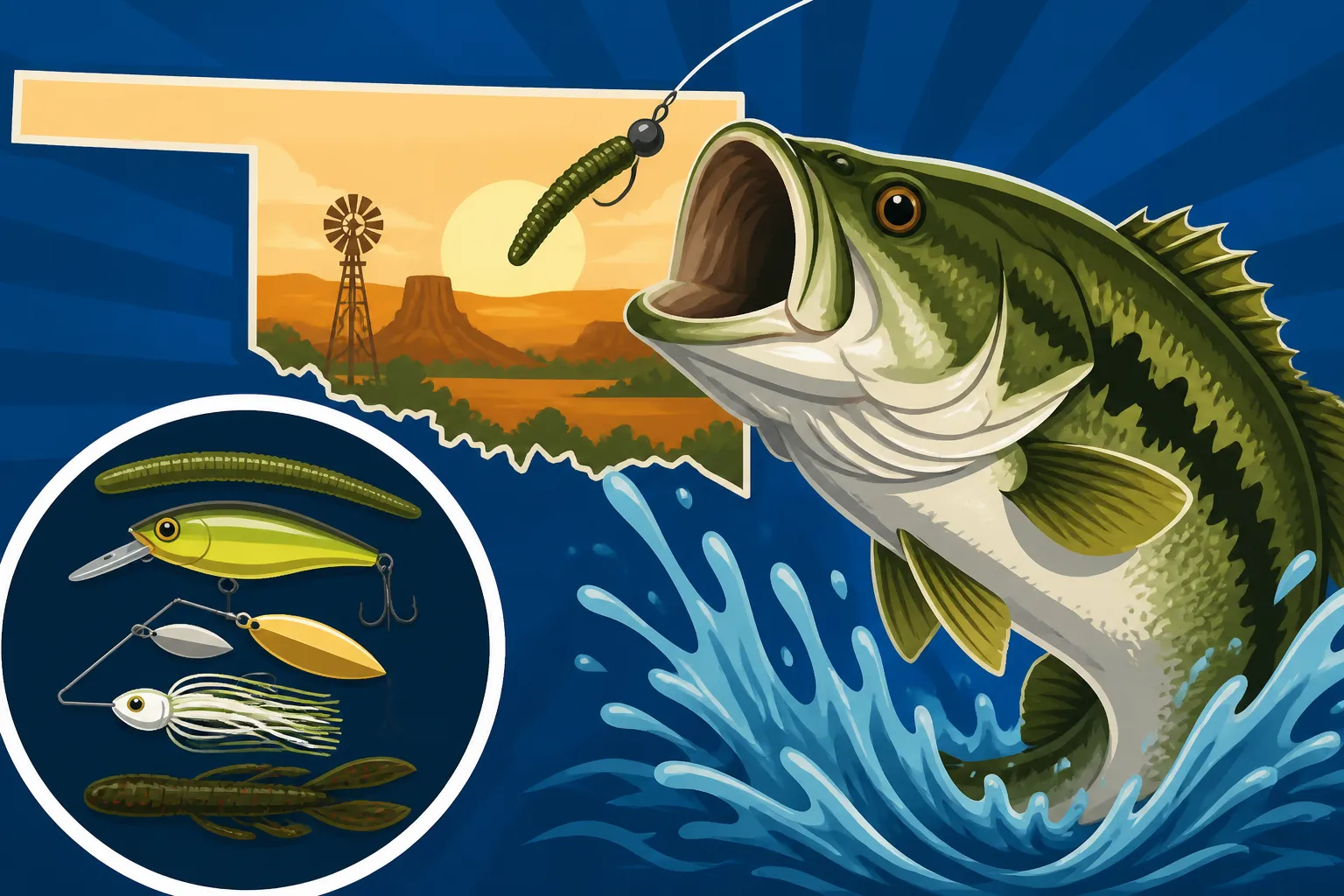
If there's one category of artificial bait that every Oklahoma bass angler needs in their tackle box, it's soft plastics. These incredible lures can imitate everything from worms and crawfish to baitfish and leeches, and their soft, lifelike texture makes bass hold on longer. The sheer variety is staggering: worms, creature baits, flukes, grubs, tubes, and more.
- Plastic Worms: The undisputed champion. Rigged Texas-style (weedless with the hook point embedded in the plastic) or Carolina-style, plastic worms are fantastic for fishing around submerged cover, brush piles, and weed lines. Colors like junebug, green pumpkin, and watermelon seed are perennial favorites across Oklahoma. They can be worked slowly along the bottom, twitched, or steadily retrieved, offering a subtle presentation that even wary bass find hard to ignore. Many anglers buy these in bulk on sites like Amazon.
- Creature Baits: These oddly shaped plastics, often resembling crawfish or hybrid critters, are fantastic for flipping and pitching into heavy cover. Their appendages create enticing movements and vibrations, making them perfect for provoking reaction strikes from bass tucked away in thick vegetation or under docks. Colors mimicking crawfish or dark, natural tones are often most effective.
- Swim Baits and Flukes: Designed to imitate baitfish, these soft plastics are excellent for covering open water or fishing around schooling bass. A soft plastic fluke, twitched erratically, looks exactly like a dying or injured baitfish, making it an easy target. Swimbaits, with their paddle tails, offer a realistic swimming action when retrieved steadily. These are particularly effective in lakes with strong shad populations.
Learning to rig soft plastics correctly and understanding different retrieve speeds will dramatically increase your success. They allow for incredibly subtle presentations, which can be crucial when bass are pressured or lethargic. You'll find many videos and guides on How to Fish a Texas Rig for Bass or How to Fish a Carolina Rig for Bass.
Crankbaits and Jerkbaits: Covering Water and Triggering Strikes
When you need to cover a lot of water quickly or when bass are actively feeding and chasing prey, crankbaits and jerkbaits are your best friends. These hard-bodied lures are designed to dive to specific depths and create erratic, fish-attracting actions.
- Crankbaits: These lipped lures dive when retrieved, with different lip designs determining their diving depth and action. Squarebill crankbaits, with their blunt lips, are excellent for fishing shallow, rocky areas, deflecting off cover and triggering reaction strikes. Deep-diving crankbaits are perfect for targeting bass in deeper channels, humps, or creek beds, especially when they're following schools of baitfish. The wobble and vibration of a crankbait are powerful attractants, making them effective in both clear and stained water. When considering Best Bass Lures for Summer Fishing, crankbaits often make the cut for covering deeper water.
- Jerkbaits: As their name suggests, jerkbaits are designed to be "jerked" or twitched, then paused. This action makes them dart erratically through the water, mimicking a wounded baitfish – a sight that drives bass wild. Many jerkbaits are suspending, meaning they hover at a certain depth during the pause, giving bass ample time to strike. They are particularly effective in cooler water conditions (spring and fall) when bass are a bit slower but still aggressive enough to chase a bait. Realistic baitfish colors are usually the most productive.
The key to both crankbaits and jerkbaits is understanding their action and varying your retrieve. Don't just reel them in; experiment with speed, pauses, and jerks to find what the bass respond to on any given day.
Topwater Lures: The Thrill of the Surface Bite
Few things in fishing are as exciting as a largemouth bass exploding on a topwater lure. These baits work exclusively on the surface, creating commotion that calls bass up from below. Topwater fishing is generally best in low-light conditions (early morning, late evening, or overcast days) or when bass are actively feeding on the surface.
- Poppers and Chuggers: These lures have a cupped face that "pops" or "chugs" water when twitched, creating a splash and gurgle that mimics a struggling baitfish or frog. They're excellent for targeting bass around docks, lily pads, or other shallow cover.
- Walk-the-Dog Baits: With a little practice, these cigar-shaped lures can be made to "walk" from side to side across the surface, an incredibly realistic and enticing action that drives bass crazy. They are fantastic for covering open water flats or fishing along weed edges.
- Buzzbaits: Featuring a propeller blade that churns water, buzzbaits create a lot of surface disturbance and a distinct "buzzing" sound. They are superb for covering large areas quickly and provoking aggressive reaction strikes, especially around sparse cover.
- Frogs: Soft plastic frog lures, often fished weedless, are perfect for dense vegetation where other lures would snag. Their realistic profile and ability to slide over lily pads and matted grass make them a top choice for fishing heavy cover. For a more detailed look, check out How to Fish Topwater Lures for Bass at Dawn.
Topwater fishing isn't always the most productive, but the sheer thrill of it makes it a must-try for any bass angler in Oklahoma. It's truly an experience.
Specialized Baits for Specific Oklahoma Scenarios
Beyond the core categories, there are several specialized lures that excel in particular situations or for eliciting specific types of strikes. These are the baits you reach for when you need a different approach.
Frogs and Toads for Heavy Cover
When you're facing thick mats of vegetation, lily pads, or dense aquatic grass that would foul almost any other lure, weedless frog and toad baits become your best friend. These soft plastic lures, often rigged with a double hook that sits flush with the body, are designed to slide effortlessly over the thickest cover without snagging.
The key to fishing frogs and toads is to cast them directly onto the cover. Let them sit for a moment, then twitch them slowly across the mats. The bass lurking underneath see the silhouette, hear the subtle splash, and often explode through the vegetation to engulf the bait. It's one of the most exciting ways to catch bass. These baits are particularly effective during warmer months when bass seek the shade and ambush points offered by dense cover. Look for brands that offer durable soft plastics that can withstand multiple blow-ups from aggressive bass. You can find a good selection on Amazon.
Spinnerbaits and Chatterbaits for Reaction Strikes
Sometimes, bass aren't actively feeding, but they can still be provoked into striking by an aggressive, attention-grabbing lure. That's where spinnerbaits and chatterbaits come in.
- Spinnerbaits: Featuring one or more spinning blades (willow leaf, Colorado, or Indiana), a wire frame, and a skirted hook, spinnerbaits create significant flash and vibration. They are incredibly versatile, working well in various water clarities and depths. They excel when fished around wood, docks, and sparse weeds, as they are relatively weedless. The flash and thumping vibration often trigger a bass's predatory instinct, even if it's not particularly hungry. They are also a great option for covering water quickly, especially on windy days when other lures might be harder to control.
- Chatterbaits (Bladed Jigs): These lures combine the flash of a spinnerbait with the erratic action of a crankbait. A vibrating metal blade attached to the jig head creates an intense wobble and thump that bass can detect from a distance. Chatterbaits are fantastic for fishing around grass lines, stumps, and even open water. Their unique action often triggers vicious strikes, making them a favorite for many Oklahoma anglers. They are particularly effective when bass are keying in on larger baitfish.
Both spinnerbaits and chatterbaits are excellent "search baits," allowing you to quickly locate active fish. Vary your retrieve speed and depth until you find what the bass prefer.
Jigs: The Finesse and Power Combination
Jigs are perhaps one of the most versatile and effective bass lures, capable of catching fish in almost any condition. They can be fished with finesse or power, depending on the situation.
- Flipping and Pitching Jigs: These heavier jigs, often dressed with a bulky skirt and tipped with a crawfish-imitating trailer, are designed for penetrating heavy cover. They're dropped silently into dense brush, under docks, or into thick vegetation, where their compact profile allows them to slip through small openings. The goal is to present a subtle yet enticing meal directly to a bass hiding in cover. This is often a go-to technique for bigger bass.
- Football Jigs: Named for their football-shaped heads, these jigs are designed to maintain contact with the bottom, making them ideal for fishing deep rocky structures, humps, and ledges. They imitate crawfish scurrying along the bottom, and their wider head makes them less prone to snagging in rocky terrain.
- Swim Jigs: Lighter jigs with a weedless brush guard, swim jigs are meant to be retrieved steadily, mimicking a baitfish swimming through cover. They often feature a more subtle skirt and can be tipped with a small swimbait or grub trailer to enhance the action.
- Finesse Jigs: Smaller, lighter jigs with a subtle presentation, finesse jigs are perfect for cold water, pressured fish, or when bass are suspended. They often incorporate a tiny plastic trailer for a very natural look.
The key to jig fishing is feeling the bottom and detecting subtle bites. It's a technique that requires practice but rewards anglers with consistent catches, often of larger fish.
Matching Your Bait to the Oklahoma Lake and Conditions
Knowing what bait to use is one thing, but knowing when and where to use it is where experience truly pays off. Oklahoma's diverse fishing environments demand a flexible approach.
Lake Texoma vs. Smaller Farm Ponds: Different Approaches
Imagine fishing the vast, open waters of Lake Texoma Fishing Guide for Oklahoma Anglers compared to a small, private farm pond in rural Oklahoma. Your bait choices and techniques will differ dramatically.
- Large Reservoirs (e.g., Lake Texoma, Lake Eufaula, Grand Lake): These massive bodies of water often have a strong current, deep main lake points, vast flats, and extensive offshore structure. Bass here are often oriented to schooling baitfish, especially shad. This means you'll want baits that can cover water efficiently, like crankbaits, spinnerbaits, and swimbaits, to locate those schools. Later in the day, when bass retreat to deeper structure, jigs and deep-diving crankbaits become essential. You're looking for larger presentations to appeal to larger bass that have plenty of room to roam and chase.
- Smaller Farm Ponds and Rivers: These smaller, often shallower environments typically have a simpler ecosystem. Bass here might be less pressured and more opportunistic. Live worms, small plastic worms, and compact topwater lures are incredibly effective. In smaller rivers, jigs and creature baits flipped into log jams or undercut banks can produce excellent results. You often don't need to cast as far, and a more subtle, precise presentation is often more effective than covering vast expanses. For these smaller waters, simpler gear and techniques often yield the best results. Consider baits mentioned in Best Bait for Largemouth Bass in Oklahoma Farm Ponds.
Clear Water vs. Murky Water: Bait Color and Presentation
Water clarity dictates how bass see and react to your bait. This is a fundamental concept that can make or break your day.
- Clear Water: In crystal-clear lakes like Broken Bow, bass can see a long way. This means your baits need to be realistic and your line choice crucial. Opt for natural colors (green pumpkin, watermelon, browns, whites) that blend in or accurately mimic local forage. Scent is less important than visual appeal and subtle action. Downsizing your baits and using lighter fluorocarbon lines can prevent spooking wary bass. Finesse techniques, like drop-shotting or shaky head jigs, often excel.
- Murky/Stained Water: When the water has a dingy or muddy tint, bass rely more on vibration and scent. Louder, more erratic baits with strong thumping actions are key. Bright colors like chartreuse, orange, and black/blue stand out better in low visibility. Scented soft plastics or adding scent to your lures can give bass an extra reason to bite. Spinnerbaits with large Colorado blades, bladed jigs, and dark-colored soft plastics are excellent choices. Don't be afraid to use bulkier presentations to create more displacement and vibration.
Weather Patterns and Their Impact on Bait Choice
The weather isn't just about your comfort; it profoundly affects bass behavior and, consequently, your bait selection.
- Stable, Sunny Days: Bass might be more lethargic during the day, seeking shade and cover. Target them with jigs or creature baits flipped into heavy cover. Early mornings or late evenings might call for topwater lures.
- Overcast Days: Often some of the best fishing days! The low light encourages bass to be more active and to roam more openly. Spinnerbaits, chatterbaits, and crankbaits can be highly effective as you cover water.
- Cold Fronts: A sudden drop in temperature can shut down a bite. Bass become sluggish and retreat to deeper water or dense cover. This is when finesse tactics (small jigs, slow-moving worms) or subtle live bait presentations are often your best bet. Avoid fast, aggressive lures. The article on How Cold Fronts Change Fishing Patterns on Oklahoma Lakes goes into more depth on this.
- Warm Fronts: The opposite of a cold front, a warming trend can really turn on the bite. Bass become more active and willing to chase. This is a great time for moving baits like crankbaits, spinnerbaits, and even topwater lures as water temperatures climb.
- Rainy Days: Often excellent fishing! Rain can wash food into the water, stir up baitfish, and break up the surface, making bass feel more secure. Dark-colored spinnerbaits, buzzbaits, and shallow crankbaits can be very effective.
Keep an eye on the barometer, too. Rising or stable pressure often means active fish, while falling pressure can make them finicky.
Storage and Presentation: Making Your Bait Count
Having the right bait is only half the battle. How you store it and how you present it to the fish can make all the difference between a productive day and going home empty-handed.
Keeping Live Bait Alive and Healthy
If you choose to use live bait, its effectiveness hinges entirely on its vitality. A lively shad or crawfish is irresistible; a dying one, not so much.
- Aeration is Key: Whether you're using a minnow bucket or a boat's livewell, aeration is crucial. A good aerator pump will keep oxygen levels up, especially on hot days. If you're buying bait from a shop, transport it in an aerated cooler.
- Temperature Control: Keep the water cool. Add frozen water bottles (not ice directly, as tap water can have chlorine) to your bait container on warm days. Sudden temperature changes can shock and kill bait.
- Water Quality: Use clean, non-chlorinated water. Change the water periodically if it becomes murky or if a lot of baitfish die. A little bit of non-iodized salt can also help maintain the health of some baitfish.
- Overcrowding: Don't put too many baitfish in one container. Give them room to swim freely to reduce stress and mortality.
Treat your live bait well, and it will treat you well on the water.
Rigging Soft Plastics for Optimal Action
The way you rig a soft plastic bait directly impacts its action in the water and its ability to avoid snagging. Incorrect rigging can lead to unnatural presentations and missed fish.
- Texas Rig: This is the most common and versatile weedless rig for plastic worms and creature baits. Insert the hook point into the nose of the bait, thread it through about a quarter to a half-inch, then bring the hook out. Turn the hook 180 degrees and skin-hook the point back into the body of the plastic. The goal is for the bait to be straight and for the hook point to be barely covered but easily exposed when a fish bites.
- Carolina Rig: This rig is excellent for fishing soft plastics along the bottom in deeper water. It involves a main line, a weight (often an egg sinker), a swivel, and a leader line (often fluorocarbon) with your soft plastic. The weight drags the bottom, while the unweighted soft plastic trails behind, offering a very natural, subtle action. How to Fish a Carolina Rig for Bass provides more details.
- Wacky Rig: A simple yet incredibly effective finesse rig for plastic worms. The hook is inserted directly through the middle of the worm, allowing both ends to wiggle freely as it falls. This creates a mesmerizing, slow-falling action that bass can't resist, especially around docks or shallow cover.
- Nose Hooking: For swimbaits, flukes, or drop-shot worms, nose hooking allows the bait to achieve its most natural swimming or fluttering action. A small, fine-wire hook is threaded through just the very tip of the bait's nose.
Always ensure your plastic bait is rigged straight. A crooked bait will spin unnaturally and deter strikes.
Mastering Retrieve Techniques for Artificials
The retrieve is just as important as the lure itself. Different lures require different techniques to maximize their effectiveness. Don't just cast and reel; work your lure.
- Crankbaits: Experiment with steady retrieves at different speeds, incorporating pauses, and "crashing" the bait into submerged cover to trigger reaction bites.
- Jerkbaits: The classic "jerk, jerk, pause" retrieve is essential. Vary the number and intensity of jerks, and the length of the pause. Sometimes a longer pause is what it takes for a hesitant bass to commit.
- Topwater Lures: For poppers, a "pop-pop-pause" is common. For walk-the-dog baits, a rhythmic twitch of the rod tip while reeling in slack creates the signature zig-zag. Buzzbaits are generally retrieved steadily, fast enough to keep them on the surface.
- Soft Plastics/Jigs: These are often fished slower. For Texas rigs and jigs, imagine a crawfish scurrying then pausing, or a worm slowly crawling. Drag, hop, and twitch your bait along the bottom, feeling for every subtle bump and tap. When bass are inactive, a painstakingly slow retrieve can be the only way to get a bite.
Don't be afraid to experiment. What worked yesterday might not work today. Pay attention to how the bass are reacting, and adjust your retrieve until you find the sweet spot. A bit of practice and observation can transform your fishing experience and help you land those elusive Oklahoma largemouth bass.
| Bait Type | Best Conditions | Pros | Cons |
|---|---|---|---|
| Live Shad/Minnows | Clear to stained water, active bass, any depth | Highly realistic action & scent, often attracts larger fish | Requires aeration/care, harder to obtain, can be fragile |
| Live Crawfish | Rocky bottoms, shallow to medium depth, active bass | Natural food source, strong scent, irresistible to bass | Requires care, can be difficult to obtain, less active than shad |
| Nightcrawlers | All water types, especially good for pressured fish | Easy to obtain, inexpensive, consistent bites, great for beginners | Less selective for larger bass, can be torn easily |
| Soft Plastics | All water types and depths, versatile for cover | Extreme versatility, weedless options, realistic feel, scentable | Can be time-consuming to rig, requires skill to impart action |
| Crankbaits | Covering water, active fish, varying depths | Triggers reaction strikes, covers large areas quickly, good in stained water | Can snag easily, action dictated by retrieve, depth limited by lure type |
| Jerkbaits | Cooler water, suspended fish, clear to stained water | Erratic wounded baitfish action, suspending models effective on pauses | Requires specific retrieve technique, can be less effective in warm water |
| Topwater Lures | Low light, calm water, active fish, shallow cover | Exciting visual strikes, effective over heavy cover with frogs | Limited to specific conditions, misses can be common |
| Spinnerbaits | Stained water, windy conditions, covering water | High flash/vibration, good for reaction strikes, relatively weedless | Can spook fish in clear water, less realistic profile |
| Chatterbaits | Grass lines, dirty water, active fish | Intense vibration, unique action, strong reaction bites | Can be prone to tangling with leader, less versatile than jigs |
| Jigs | Heavy cover, deep water, finesse to power fishing | Extremely versatile, great for targeting larger fish, subtle action | Requires good feel for bites, prone to snagging in certain areas |
Disclaimer
This article is for general informational purposes only and does not constitute professional advice. Laws, prices and regulations vary by location and change over time. Consult a qualified professional for guidance on your specific situation.